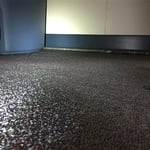
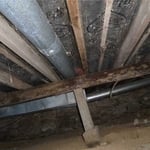
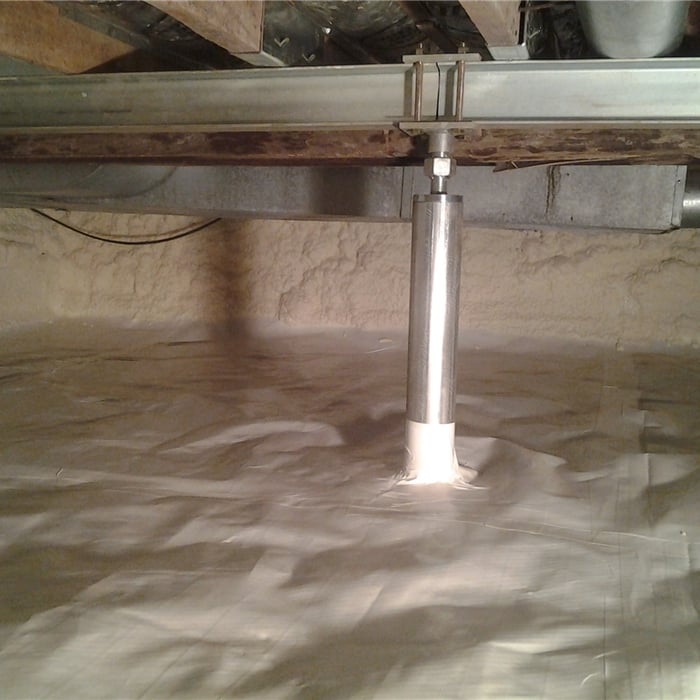
"This job was completed efficiently and professionally. A design specialist came to test and measure every detail for the project. The crew arrived with everything needed for the job. They worked very hard to install Waterguard in the concrete floors inside around the foundation to the sump pump basket. They also installed Geo-lock anchors to support a block wall that was bowed. This company has 36 years in business and provides excellent results and professional customer relations. Call Amer. Wtrwrks for a free estimate. You will not be disappointed. A wise investment of $11,270."
I have 13 years of combined construction and inspection experience. I will provide you with great service, a thorough inspection, and a detailed report with pictures and explanations. I will not leave until you are satisfied. There is no need to call multiple inspectors and waste your time making multiple trips to the property, as our inspector also can perform testing for Radon, Mold, Asbestos, Lead, and Allergens.
Radon Detection and Reduction questions, answered by experts
Many radon fans carry a five-year manufacturer's warranty. That said, your radon fan should last between five and ten years. Regular inspections will ensure the fan is operating properly. Unusual or exceptional noise coming from the fan or indications on your manometer or system monitor can immediately tell you that something is amiss.
The soil beneath your house is most likely what’s causing an increased level of radon. This is because soil holds radioactivity for a long time and it’s also what most buildings are built on. Another common source of radon is water from a source that hasn’t been through periodic radon tests, such as well water. Over time, the radon from the soil can inhabit other parts of your house like the foundation or plumbing.
There are steps you can take as a homeowner to remediate radon yourself. While a radon reduction professional can make the biggest impact in your home, you can make efforts to improve radon levels on your own by sealing cracks, increasing ventilation, and testing for radon regularly.
While DIY testing is possible, abatement generally requires professional installation to ensure efficacy and meet safety standards.
Keeping radon from getting into your home is much better than having to get rid of it once it's already indoors. While there may not be a way to fully prevent radon from getting into your home, there are things you can do to reduce the gas's ability to enter.
Sealing foundation cracks and openings can help keep the gas from seeping inside. Improving air flow, such as by opening windows, can also be helpful. If you're building your home from scratch, talk to your contractor about using radon-resistant construction to keep the gas out.
The Wheaton, MN homeowners’ guide to radon detection and reduction services
From average costs to expert advice, get all the answers you need to get your job done.
Get clear answers on how much radon remediation costs, including average prices, key cost factors, and tips to save money on your home’s radon mitigation.
Find out what impacts radon testing costs, including average prices for DIY kits and professional services, so you can protect your home and budget confidently.
Radon is a gas that you can't see or smell and is harmful to your health. If your home has radon, you need to know who installs radon mitigation systems.