

Top-rated radon detection and reduction specialists.

Best radon detection and reduction specialists near Wilmot, SD

Enter your zip and get matched with up to 5 pros

Need a pro for your radon detection and reduction project in Wilmot, SD?

Select your specific project to find the pro for you.

Top-Rated Radon detection and reduction specialists in Wilmot - Updated Nov 2026

Avatar for Black Hills Radon
Black Hills Radon
New to Angi
Radon Gas - TestingRadon Gas - Abatement

Serving Wilmot, SD and surrounding areas

In business since 2022

Free estimates

Black Hills Radon is committed to excellence in every aspect of our business. We uphold a standard of integrity bound by fairness, honesty, and personal responsibility. Our distinction is the quality of service we bring to our customers. Accurate knowledge of our trade combined with ability is what makes us true professionals. Above all, we are watchful of our customers' interests, and make their concerns the basis of our business.

1 neighbors recently requested a quote
Radon Detection and Reduction FAQs, answered by experts

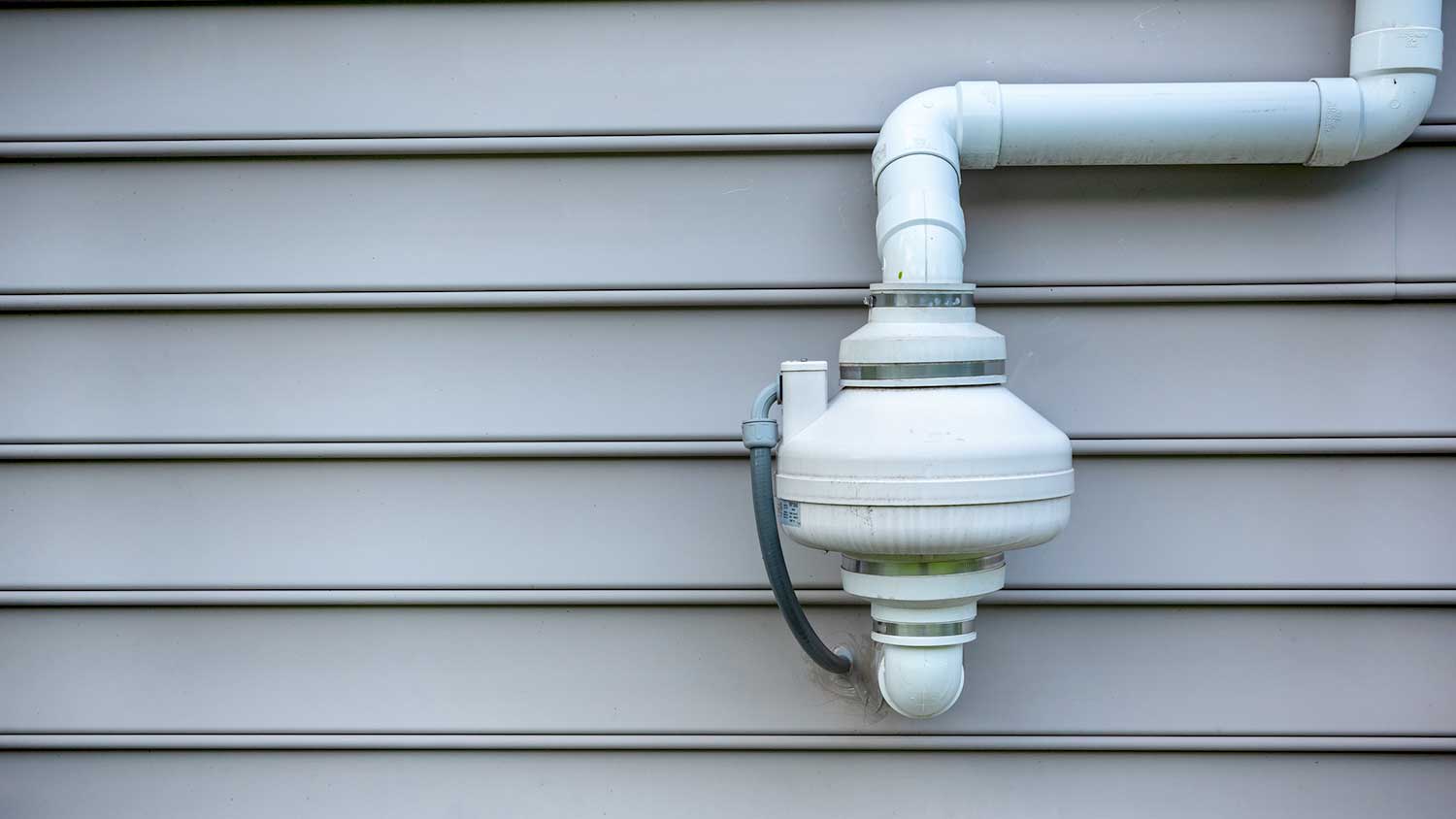
Your radon mitigation system may be loud because it’s time to replace it. Any sounds are usually from the inline fan that helps create the vacuum and resulting airflow. If you hear a new, loud mechanical or humming noise from your radon fan, it might be time to replace it. Most fans used in radon mitigation systems last up to 10 years, but may need to be replaced sooner.

Your radon fan needs to operate 24/7 to be effective. The only time the fan isn't operating is during its replacement. Radon levels in the home can increase within hours if the fan stops working or something obstructs the stack vent. Fortunately, radon systems require no downtime maintenance between fan changes.

The cost to replace a radon fan ranges from $300 to $600 for the fan itself, with installation adding an additional $200 to $500. Overall, the total cost for replacement can range from $500 to $1,100, depending on factors such as the fan model, home size, and local labor rates. If the fan is part of a larger radon mitigation system, the price may be higher.

No level of radon is technically safe, but since it is present everywhere, complete avoidance is impossible. The average radon level in homes across the United States is 1.3 picocuries per liter (pCi/L). The Environmental Protection Agency (EPA) recommends taking preventative measures if your home's radon levels are between 2 and 4 pCi/L or higher.

If high radon levels are detected, steps include sealing entry points, installing a mitigation system, and retesting the air regularly to ensure reduced levels.

The Wilmot, SD homeowners’ guide to radon detection and reduction services

From average costs to expert advice, get all the answers you need to get your job done.