Top-rated energy efficiency auditors.

Best energy efficiency auditors near Mayer, MN

Enter your zip and get matched with up to 5 pros

Need a pro for your energy efficiency auditing project in Mayer, MN?

Select your specific project to find the pro for you.

Top-Rated Energy efficiency auditors in Mayer - Updated Nov 2026

Avatar for Home Seal Insulation
Home Seal Insulation
4.7(
90
)
Home Energy Audit

Serving Mayer, MN and surrounding areas

In business since 2014

Free estimates

Credit card accepted

"I could only select ?Home Energy Audit? above as work I had done. I actually had attic and rim joist insulation. So happy that I spent the money to get my home insulated. There is a noticeable difference. Well worth the money. Thank you!"
Response time2 days
41 neighbors recently requested a quote
Recommended by92%of homeowners
Avatar for Hoffman Weber Construction
Hoffman Weber Construction
4.3(
337
)
Energy Audit - For BusinessHome Energy Audit

Serving Mayer, MN and surrounding areas

In business since 1992

Free estimates

Credit card accepted

"AJ diagnosed the cause of our ceiling damage after we received widely different opinions from multiple estimators. He performed the most critical vent replacement the same day, and his crew was able to complete the remaining work a few days later. Very thorough and professional. We are happy with their responsiveness and approach to the work."
2020 NARI MN CotY Silver Award Winner
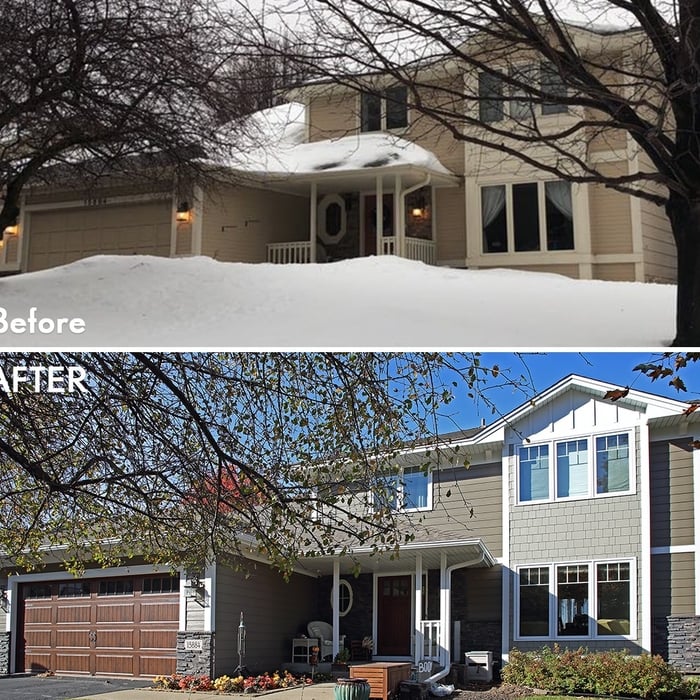
2015 COTY Award Winning Exterior
CertainTeed Restoration Classic Siding and GAF Timberline HD Roofing
Certainteed Restoration Classic Vinyl Siding and GAF Timberline HDZ Roofing
James Hardie HardiePlank Cedarmill Lap Siding, Hardie Board and Batten Siding, and HardieShingle Siding

+278

Recommended by85%of homeowners
Energy Efficiency Auditing FAQs, answered by experts

Dryers are designed to use as little electricity as possible, but power is still required to run the motor that turns the drum and to heat an element that pumps hot air. Eco devices are available and may lead to cost savings in the long term, but you should run the figures before committing to an eco-friendly device as they are often much more expensive to purchase.

To determine the right size generator for your house, you should calculate the total wattage of the appliances and devices you want to power during an outage. List all essential items, note their start-up wattages, and add them together.

Here are some typical wattage requirements for common appliances:

  • Refrigerator: 600 watts

  • Large dehumidifier: 700 watts

  • Large window air conditioner: 1,400 watts

  • Water heater: 3,000 to 4,500 watts

  • Electric furnace: 5,000 to 25,000 watts

A 7,500-watt generator might be sufficient for essentials like a refrigerator, freezer, well pump, and lighting circuits. However, for high-demand items like a water heater or furnace, a whole-home generator is a better choice. A portable generator may be enough if you only need to power a few critical items.

While home square footage can offer a rough estimate, it is not always a reliable indicator. For reference, here are some typical generator sizes based on square footage:

  • 1,000 sq ft: 6–9 kW

  • 1,500 sq ft: 7–10 kW

  • 2,000 sq ft: 10–14 kW

  • 2,500 sq ft: 12–16 kW

  • 3,000 sq ft: 16–20 kW+

For the most accurate sizing, consult a professional who can calculate your home's peak and average power consumption and recommend the optimal generator.

Yes, energy-efficient options such as LEDs and solar-powered lights are available. These alternatives consume less electricity, resulting in lower utility costs. They are also more environmentally friendly due to their reduced carbon footprint and longer lifespan.

Smart glass doesn’t use a lot of electricity, and you can expect a standard window to add between $1 and $2 per year to your electric bills. Smart glass is proof that energy-efficient windows work. Although your smart windows may consume a little energy to operate, they can save enough energy to offset the costs. If you’re concerned about the minimal bump to your electricity consumption, you can opt for smart tint, which doesn’t require electricity to work.

Typically, a local home energy auditor is responsible for performing energy audits. A home energy auditor will conduct one of three energy audits designed by the American Society of Heating, Refrigerating, and Air-Conditioning Engineers (ASHRAE) to determine the energy efficiency of your home. The auditor often provides analysis that can help guide changes and improvements to your home for better energy efficiency, giving recommendations as necessary.

The Mayer, MN homeowners’ guide to energy efficiency auditing services

From average costs to expert advice, get all the answers you need to get your job done.