



Top-rated radon detection and reduction specialists.

Get matched with top radon detection and reduction specialists in Scanlon, MN

Enter your zip and get matched with up to 5 pros

Need a pro for your radon detection and reduction project in Scanlon, MN?

Select your specific project to find the pro for you.

Find Radon detection and reduction specialists in Scanlon

Avatar for Northland Home Inspections
Northland Home Inspections
4.5(
28
)
Radon Gas - Testing

Serving Scanlon, MN and surrounding areas

Approved

In business since 2019

Free estimates

Credit card accepted

"Todd was very knowledgeable. He answered all questions that I had and even explained what would need to be done to make repairs on things that he found and gave rough estimates of the average costs to make these repairs. I would recommend to friends and family if they we're to need an inspection."
Response time8 hrs
7 neighbors recently requested a quote
Recommended by92%of homeowners

Avatar for Koti-Home, LLC
Koti-Home, LLC
5.0(
2
)
Radon Gas - Testing

Serving Scanlon, MN and surrounding areas

In business since 2015

Free estimates

Emergency services offered

"Brandon is great! He helped me out when I found myself in a time crunch for getting an inspection. He was very thorough and honest. He even checked out the treehouse in the back yard! I would highly recommend Koti-Home!"
Home Ispected
Response time7 hrs
Recommended by100%of homeowners
Radon Detection and Reduction questions, answered by experts

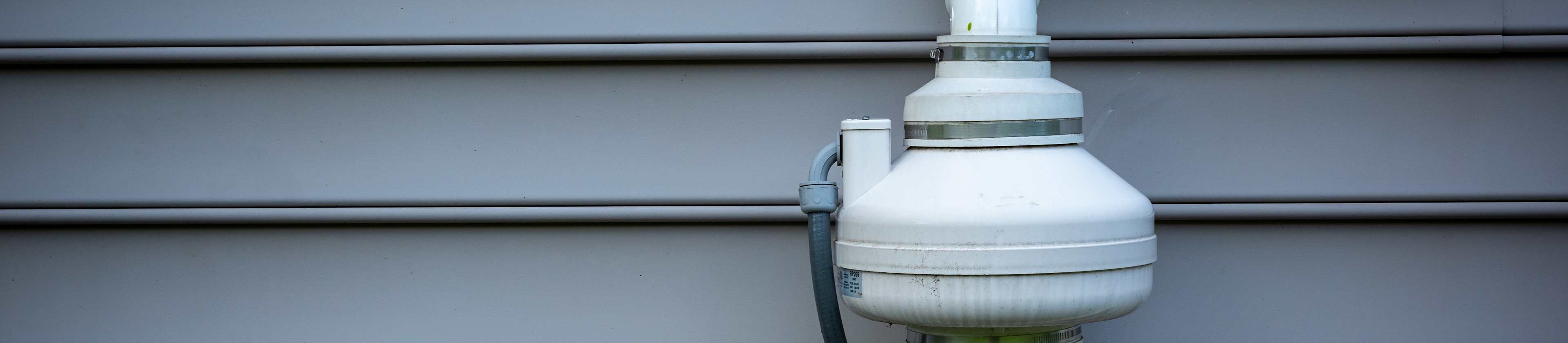
Your radon mitigation system may be loud because it’s time to replace it. Any sounds are usually from the inline fan that helps create the vacuum and resulting airflow. If you hear a new, loud mechanical or humming noise from your radon fan, it might be time to replace it. Most fans used in radon mitigation systems last up to 10 years, but may need to be replaced sooner.

The soil beneath your house is most likely what’s causing an increased level of radon. This is because soil holds radioactivity for a long time and it’s also what most buildings are built on. Another common source of radon is water from a source that hasn’t been through periodic radon tests, such as well water. Over time, the radon from the soil can inhabit other parts of your house like the foundation or plumbing.

You'll need to test your home for radon after installing the mitigation system, then again every two years. If radon remains elevated, contact a licensed radon professional, either the contractor who installed the system or a different one, and have them evaluate the system. They may need to make some changes to improve its effectiveness and performance.

Abatement includes sealing entry points and venting with systems that reduce radon levels below recommended EPA limits. It is handled by certified professionals.

A homeowner can install a radon mitigation system on their own. But it’s a challenging DIY that requires a lot of knowledge about radon mitigation as well as familiarity with local regulations. You do not want to risk an improper installation that leaves the system unable to detect radon or gives it a shortened life span. Relying on a professional is the surest way to guarantee a successful installation.

The Scanlon, MN homeowners’ guide to radon detection and reduction services

From average costs to expert advice, get all the answers you need to get your job done.