




Top-rated radon detection and reduction specialists.

Get matched with top radon detection and reduction specialists in Gilbert, MN

Enter your zip and get matched with up to 5 pros

Need a pro for your radon detection and reduction project in Gilbert, MN?

Select your specific project to find the pro for you.

Find Radon detection and reduction specialists in Gilbert

Avatar for Northland Home Inspections
Northland Home Inspections
4.5(
28
)

Serving Gilbert, MN and surrounding areas

Approved

In business since 2019

Free estimates

Credit card accepted

"Todd listened to my concerns and was very knowledgeable when he answered any questions I had. I would definitely recommend him! The seller was also present at the inspection and she was also very happy with Todd's work."
Response time8 hrs
8 neighbors recently requested a quote
Recommended by92%of homeowners

Radon Detection and Reduction questions, answered by experts

The soil beneath your house is most likely what’s causing an increased level of radon. This is because soil holds radioactivity for a long time and it’s also what most buildings are built on. Another common source of radon is water from a source that hasn’t been through periodic radon tests, such as well water. Over time, the radon from the soil can inhabit other parts of your house like the foundation or plumbing.

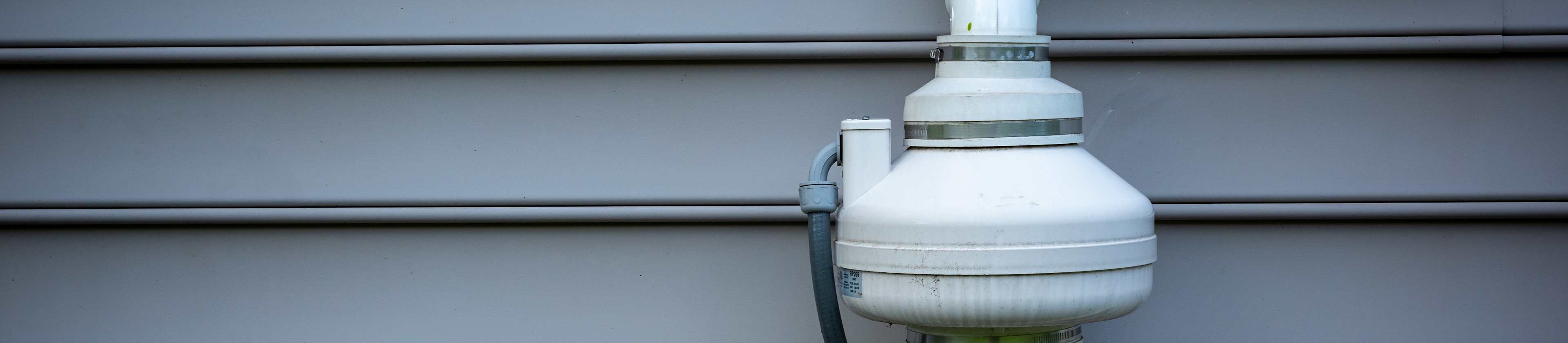
Radon enters your home when warm air begins to rise and exits through the roof, creating a vacuum that pulls cooler air from under the foundation. Part of that air is radon, which is an invisible, odorless gas that develops naturally when radioactive particles are deep within the ground. Those particles usually come from decaying matter in soil and rocks.

Radon is present almost everywhere but, like sunlight, the concentration levels and how often you are exposed to it have a large part to play in just how dangerous it is. There are levels of radon that are acceptable inside a house, but above a certain limit, radon becomes a serious radioactive hazard that is a known cause of lung cancer. In fact, radon exposure is the number two leading cause of lung cancer (after smoking).

If high radon levels are detected, steps include sealing entry points, installing a mitigation system, and retesting the air regularly to ensure reduced levels.

There are steps you can take as a homeowner to remediate radon yourself. While a radon reduction professional can make the biggest impact in your home, you can make efforts to improve radon levels on your own by sealing cracks, increasing ventilation, and testing for radon regularly.

The Gilbert, MN homeowners’ guide to radon detection and reduction services

From average costs to expert advice, get all the answers you need to get your job done.

What do you need done? We’ll find top pros.
  • 🌱 "Mow a small front yard"
  • 🛠 "Fix a leaking pipe under the sink"
  • 🏠 "Repair shingles on an asphalt roof"



