



Top-rated drywall pros.

Get matched with top drywall pros in Sabin, MN

Enter your zip and get matched with up to 5 pros

Need a pro for your drywall service project in Sabin, MN?

Select your specific project to find the pro for you.

TRUSTED BY SABIN, MN HOMEOWNERS

  • Average homeowner rating star icon4.1
    Average homeowner rating
  • Verified reviews icon15
    Verified drywall services reviews

Find Drywall pros in Sabin

Avatar for American Home Shield – Home Warranty
American Home Shield – Home Warranty
3.5(
5,688
)
Drywall - InstallDrywall - Install - For BusinessDrywall - Repair+1 more

Serving Sabin, MN and surrounding areas

In business since 1971

Credit card accepted

"Well, the first time the replacement was ordered it was the wrong one, which of course, delayed the installation a week. When it was finally installed I had to pay an additional $850 for code upgrades. This I was not informed of by Home Shield. Then we noticed that there was water on the garage floor and found that the pipe coming in from the wall was leaking at the wall so had to call the plumbing company back out to fix it. They first tried to say it was not their fault but since there wasn't a leak before they installed they did fix it. I have used Home Shield a few times before and never had a problem. Some of the companies they use are not the best so you have to research them before you commit. I have found HS service to be good if you do your homework. At the end of the day I was without hot water for almost 3 weeks but it was do to the plumbing company they sent out."
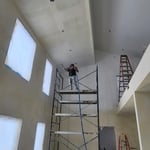
Additional Photos
Additional Photos
Additional Photos
Additional Photos
Additional Photos

+2

Recommended by65%of homeowners

Showing 1-10 of 29
Drywall questions, answered by experts

You can plaster over regular drywall, but it's essential to prepare the surface properly. Before plastering, the drywall should be clean, free of dust, and any loose or peeling paint should be removed. Applying a primer specifically designed for plastering can improve adhesion. Some professionals recommend applying a base coat of plaster or joint compound to create a better surface for the plaster to adhere to. Proper preparation ensures a smooth and durable plaster finish over regular drywall.

While every home has its own unique needs, ceiling drywall installation typically follows a staggered or stepped pattern to enhance structural integrity and reduce the visibility of seams. Starting from one corner, sheets are placed perpendicular to the ceiling joists, with the ends of adjacent sheets meeting along the center of the joist. The next row begins with a half sheet, ensuring joints don't align vertically. This alternating pattern, combined with proper taping and mudding, creates a seamless appearance and strengthens the ceiling structure, minimizing the risk of cracks over time.

Yes, drywall nail pops are a common occurrence in homes, both new and old, resulting from the settling and shifting of the structure over time. Though not present in every room or on every wall, encountering nail pops in different sections of a home is not unusual, particularly if the temperature, humidity, or foundation has experienced changes.

With its breathability and flexibility, lime plaster is among the most durable of all plaster types. It's also fire-resistant and has a proven track record, as people have been using it for thousands of years.

However, all plaster types will last for many years with the right care and treatment. Proper preparation and installation will also help ensure your plaster walls look great for as long as possible.

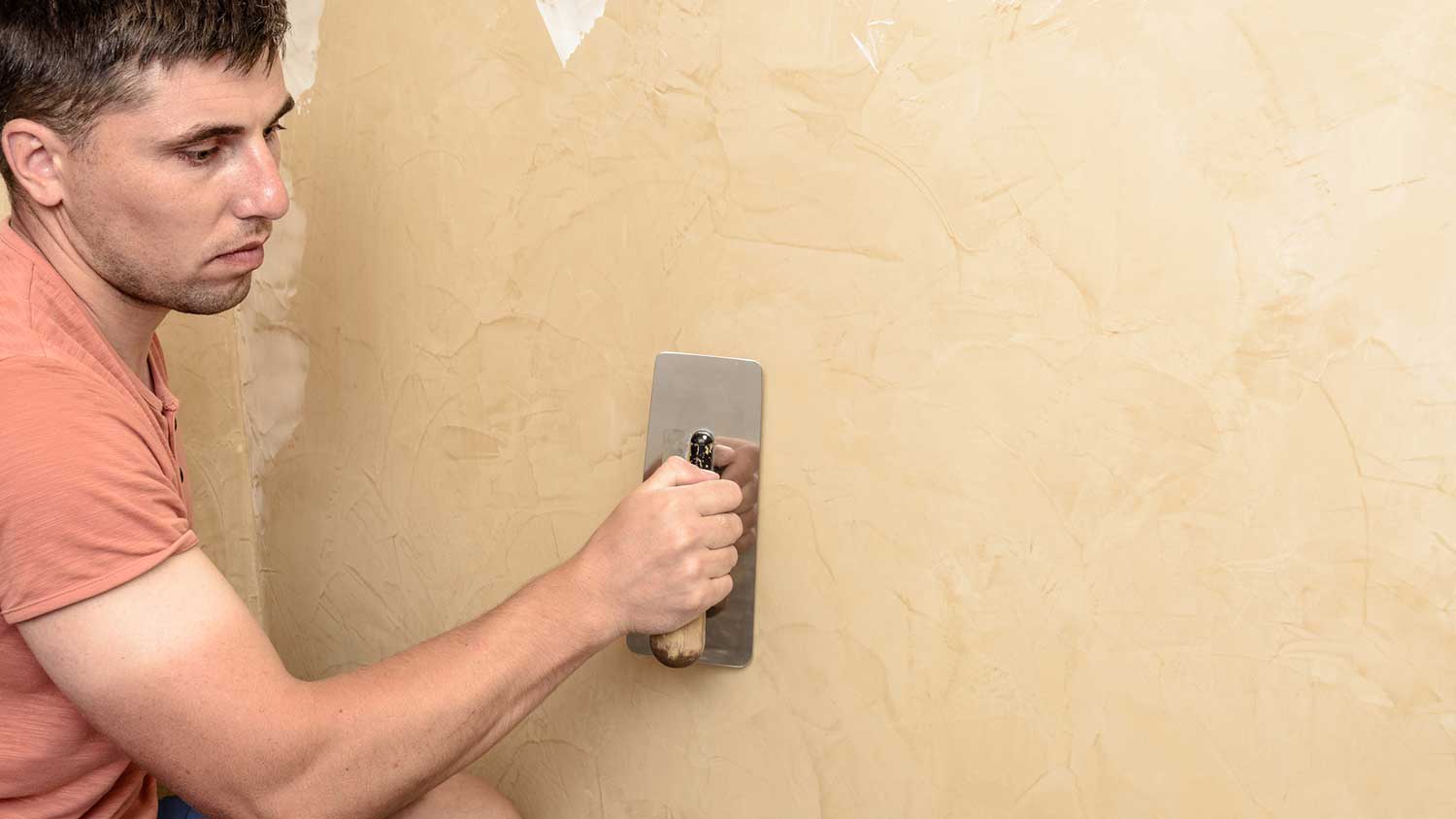
Plastering and skimming are two different techniques for finishing walls. Plastering involves applying a thick layer of a plaster mixture—typically containing gypsum, lime, cement, sand, and water—to create a new surface. This process often requires multiple coats and is used for repairing significant damage or creating decorative textures. Skimming, on the other hand, is a technique that involves applying a thin layer of drywall compound or joint compound over an existing surface to smooth it out, covering minor imperfections, small cracks, or uneven textures for a polished look. Plastering is generally more costly and labor-intensive than skimming. Although some people use the terms interchangeably, they refer to different processes and materials.

The Sabin, MN homeowners’ guide to drywall services

From average costs to expert advice, get all the answers you need to get your job done.