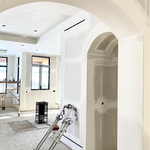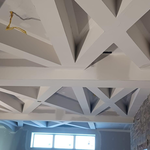



Top-rated drywall pros.

Get matched with top drywall pros in Glyndon, MN

Enter your zip and get matched with up to 5 pros

Need a pro for your drywall service project in Glyndon, MN?

Select your specific project to find the pro for you.

TRUSTED BY GLYNDON, MN HOMEOWNERS

  • Average homeowner rating star icon4.1
    Average homeowner rating
  • Verified reviews icon15
    Verified drywall services reviews

Find Drywall pros in Glyndon

Avatar for American Home Shield – Home Warranty
American Home Shield – Home Warranty
3.5(
5,688
)
Drywall - InstallDrywall - Install - For BusinessDrywall - Repair+1 more

Serving Glyndon, MN and surrounding areas

In business since 1971

Credit card accepted

"Well, the first time the replacement was ordered it was the wrong one, which of course, delayed the installation a week. When it was finally installed I had to pay an additional $850 for code upgrades. This I was not informed of by Home Shield. Then we noticed that there was water on the garage floor and found that the pipe coming in from the wall was leaking at the wall so had to call the plumbing company back out to fix it. They first tried to say it was not their fault but since there wasn't a leak before they installed they did fix it. I have used Home Shield a few times before and never had a problem. Some of the companies they use are not the best so you have to research them before you commit. I have found HS service to be good if you do your homework. At the end of the day I was without hot water for almost 3 weeks but it was do to the plumbing company they sent out."
Additional Photos
Additional Photos
Additional Photos
Additional Photos
Additional Photos

+2

Recommended by65%of homeowners

Showing 1-10 of 30
Drywall questions, answered by experts

You should do a little bit of sanding between adding coats of mud. Knock down any ridges or significantly imperfect areas through sanding, which should help you apply the next coat of mud smoothly. If your first coat of mud is pretty smooth after it dries, a quick sanding is all you’ll need. Don’t forget to wipe away any dust after each sanding process.

When you are learning how to tape and mud drywall, waiting for things to dry requires a lot of patience. So how long does drywall mud take to dry? On average, it takes about 24 hours. However, it depends on things like the thickness of the mud, as well as the room’s temperature, humidity, and ventilation. Using thin layers of mud in a warm, low-humidity room with good airflow reduces average drying time. You also could speed up drying time by making use of hot drywall mud, which consists of a powder that you mix with water, instead of using pre-mixed mud. 

Although they have similar applications, spackle and joint compound are not the same. Their primary differences lie in their composition, consistency, and ideal use cases.

Spackle is composed of gypsum and binding agents, making it thicker than joint compound. It dries quickly and is easy to sand, which makes it ideal for small wall repair projects like filling nail holes or patching minor damage.

Joint compound, also known as drywall mud, consists of limestone and gypsum. It is primarily used for large-scale projects, such as taping and finishing the seams on newly installed drywall. It tends to shrink more than spackle and can be more difficult to spread.

While both products can be used to fill small depressions and cracks, spackle cannot replace joint compound for taping and mudding new drywall. Conversely, you can often use joint compound for small patching jobs typically done with spackle.

Installing or repairing plaster on ceilings differs slightly from performing the same motions on a wall. You’ll apply slightly less plaster to lower the overall weight of the ceiling. Wall texturing is common, whereas most ceilings are smooth plaster. Tough coat plaster is strong, meaning you can use less while retaining a solid surface.

Drywall can be toxic to the environment and to humans in some cases. As drywall breaks down in a landfill and comes in contact with other organic chemicals, it can create hydrogen sulfide gas or leach into the groundwater. Additionally, the CDC recommends methods for controlling the inhalation of drywall dust when handled. While the common ingredients of drywall—gypsum, silica, and mica—are naturally occurring, they can cause irritation in some humans.

The Glyndon, MN homeowners’ guide to drywall services

From average costs to expert advice, get all the answers you need to get your job done.