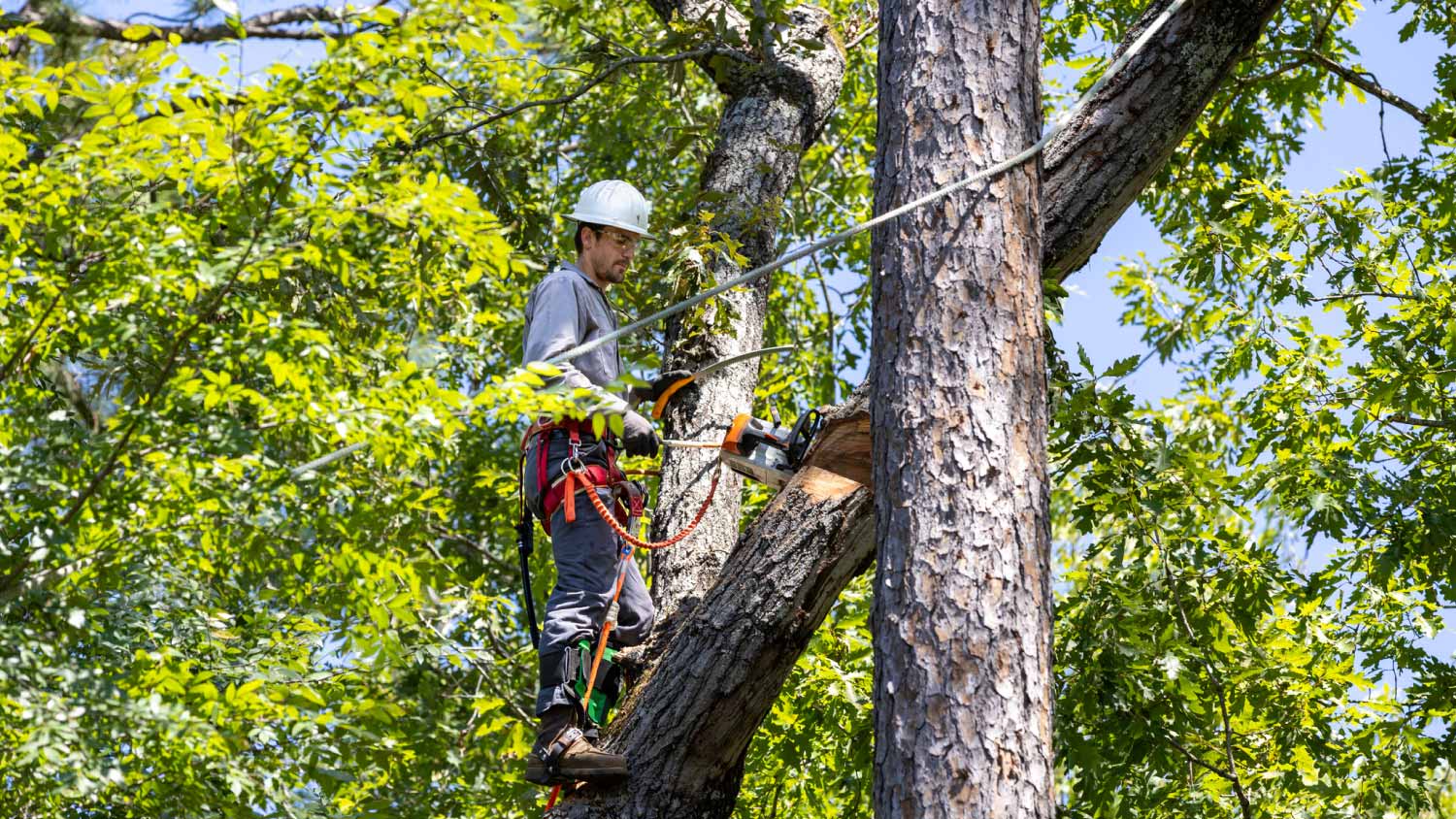





Top-rated arborists.

Get matched with top arborists in Long Prairie, MN

Enter your zip and get matched with up to 5 pros

Need a pro for your arboricultural service project in Long Prairie, MN?

Select your specific project to find the pro for you.

TRUSTED BY LONG PRAIRIE, MN HOMEOWNERS

  • Average homeowner rating star icon4.6
    Average homeowner rating
  • Verified reviews icon48
    Verified arboricultural services reviews

Find Arborists in Long Prairie

Avatar for Bues Tree Care, LLC
Bues Tree Care, LLC
4.9(
18
)
Tree RemovalTree Removal - For BusinessTree Trimming+1 more

Serving Long Prairie, MN and surrounding areas

In business since 2013

Free estimates

Emergency services offered

"Josh was very clear about what he would/could do to keep our old, overgrown tree healthy and safe for our backyard. He arrived, did the trim work plus a fabulous clean up job, all at a reasonable price. Thanks Josh!! Bonnie Quinn Natalie Bolling Matt Wagner"
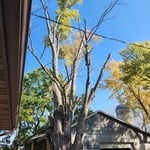
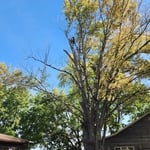
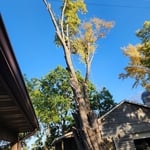
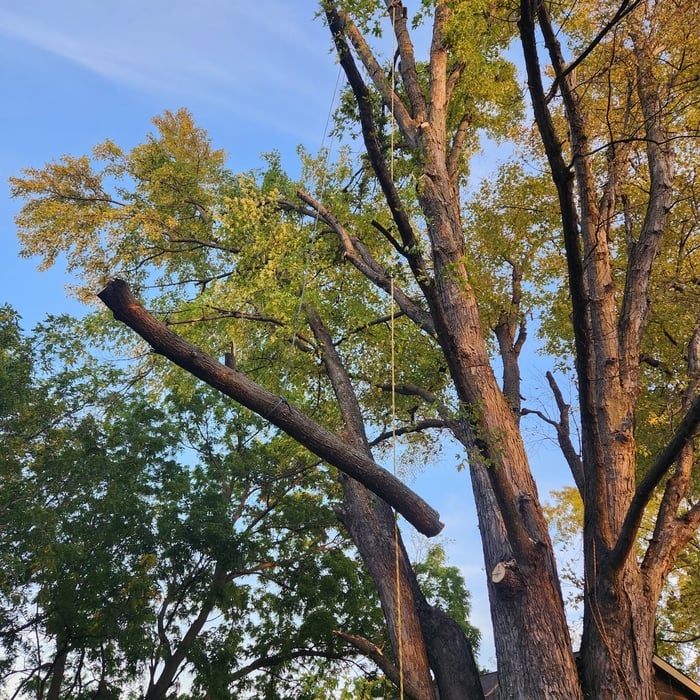
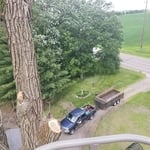
Ash removal
Ash removal
Ash removal
Ash removal
Ash removal

+10

Response time2 days
Recommended by100%of homeowners
Avatar for J&K Tree Service
J&K Tree Service
4.8(
19
)
Tree RemovalTree Trimming

Serving Long Prairie, MN and surrounding areas

In business since 2000

Free estimates

Credit card accepted

"Hired Scott and his crew to remove a couple of large trees and stumps, as well as a number of bushes and shrubs. Their work was outstanding. Absolutely no damage to the yard, they completed the job on time, the price was competitive and when they left there wasn't a single branch other debris anywhere. Great guys who I would definitely hire again."
Threes
Threes
Threes
Threes
Threes

+6

Response time9 hrs
Recommended by100%of homeowners
...
Showing 1-10 of 73
Arborists questions, answered by experts

Using Epsom salt to kill a tree stump typically takes between six and 12 months. While this may seem like a long time, it is significantly faster than the natural decomposition process, which can take up to seven years. This method is a viable DIY option for stumps that do not pose an immediate hazard. If you need a faster solution, you can hire a professional for stump removal or grinding, though this may cause more damage to the surrounding ground.

Licensing requirements for arborists, also known as tree surgeons, vary by state and municipality. Many areas require a license, which often involves specialized education and experience. Even if not mandated, it's wise to hire a licensed professional as they tend to have more experience. Beyond licensing, look for certifications from organizations like the International Society of Arboriculture (ISA) or the Tree Care Industry Association (TCIA), as this indicates a higher level of expertise. Certified arborists must typically pass a comprehensive exam. Always confirm that the arborist has a business license and is fully insured to protect yourself from liability. Seeking positive recommendations from local homeowners is also a good step in finding a qualified professional.

No. Topping a tree refers to severely cutting down all its major branches and tree in a straight line. It was once recommended for streetside deciduous trees but has fallen out of practice. Topping leads to many problems, removing so much of the tree that many trees struggle to survive and become much more vulnerable to insects and diseases. Also, it doesn’t really help tree growth as once assumed and often leads to an ugly appearance of many sprouting stems in competition to become new main branches.

In most ways, palm trees are incredibly low-maintenance. They don’t need a ton of water—which is why they’re so beloved in desert regions—and they basically prune themselves. But they do need an ample supply of sunlight and to be in soil that will allow for proper drainage so that their roots don’t become waterlogged and at risk of developing illnesses.

If the plant begins to wilt, develop spots, or change color, these could all be signs that your palm tree has a disease. But a few basic treatments, like pruning and applying fungicide, will usually be more than enough to return it to perfect health.

Consumers typically do not need to worry about the cost of tree insurance, as professional tree service companies pay for their own coverage. For a tree service business, an average U.S. policy covering about $1 million in general liability costs roughly $40 a month or $500 a year. More extensive policies, providing between $500,000 to $2 million in coverage, can cost between $3,000 and $6,000 annually, depending on the company's size and scope of work. Tree service professionals should speak with an insurance company to determine the right plan for their business.

The Long Prairie, MN homeowners’ guide to arboricultural services

From average costs to expert advice, get all the answers you need to get your job done.