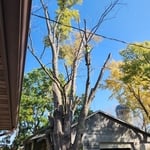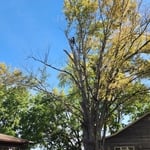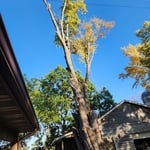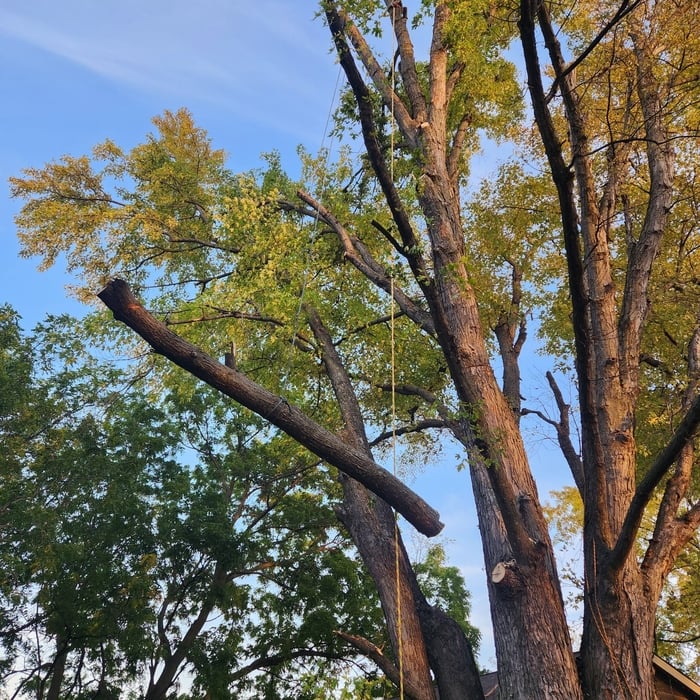




Top-rated tree service pros.

Best tree service pros near Long Prairie, MN

Enter your zip and get matched with up to 5 pros

Need a pro for your tree service project in Long Prairie, MN?

Select your specific project to find the pro for you.

TRUSTED BY LONG PRAIRIE, MN HOMEOWNERS

  • Average homeowner rating star icon4.6
    Average homeowner rating
  • Verified reviews icon38
    Verified tree services reviews

Top-Rated Tree service pros in Long Prairie - Updated Nov 2026

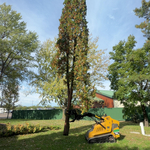
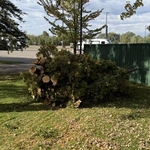
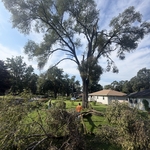
Paul Drake Tree Service
5.0(
1
)
Tree Removal

Serving Long Prairie, MN and surrounding areas

Approved

In business since 1980

Free estimates

Credit card accepted

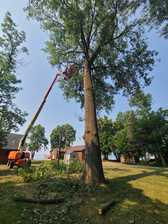
We take great pride in our experience, expertise, quality and customer service that we provide to meet every consumer's needs. \nIt is our mission to provide excellent customer service from start to completion of a project. \nTo understand the needs and expectations of our customers, we take great care to work and communicate with every customer in a personal and professional manner. \nOur reputation is based on service, safety and quality, regardless of how large or small the job.
Response time10 mins
Response rate100%
Recommended by100%of homeowners
...
Showing 1-10 of 76
Tree Service FAQs, answered by experts

The best time to transplant a tree is when it is dormant. For many trees, this means either in the fall after the leaves have dropped (around October or November) or in early spring before new growth begins (around March). The ideal timing can depend on the type of tree. Deciduous trees do well when moved in early spring or fall, while evergreens are best transplanted in early spring or late summer. For example, pine trees are best moved in early fall, but maples prefer late fall. Avoid transplanting in winter, as the frozen or hard, cold soil poses a significant risk to the roots and prevents the tree from acclimating properly.

Whether you grind or dig up and remove your tree stump depends on your landscaping goals. Using a stump grinder leaves the root system in place for it to decompose over time, whereas digging up the tree stump removes the roots and the stump. Overall, stump grinding is a far simpler process since you won’t need to deal with the roots. Stump removal will make your yard look like a demolition site, but you’ll have an easier time replanting in the same place as your former tree.

It can take anywhere from one month to a couple of years for tree roots to grow back in sewer lines. Tree roots can cause extreme havoc on your sewer lines, potentially cracking them and causing untreated wastewater to make its way into the groundwater. Have a landscaping pro remove trees and roots before installing your system, or call a pro to do it retroactively as soon as you can.

If a tree stump is removed properly, the chances of a tree growing back are low. However, if a tree has a robust root system, roots can sometimes sprout and someday grow into a tree. The chance of regrowth will depend on several factors such as the type of tree, soil quality, and strength of the root system. In general, it is not recommended to plant a tree where a stump was removed.

Professionals use assessments, strategic cuts, specialized equipment, and safety measures to ensure healthy growth or the safe removal of trees or shrubs.

The Long Prairie, MN homeowners’ guide to tree services

From average costs to expert advice, get all the answers you need to get your job done.