




Top-rated radon detection and reduction specialists.

Best radon detection and reduction specialists near Hoyt Lakes, MN

Enter your zip and get matched with up to 5 pros

Need a pro for your radon detection and reduction project in Hoyt Lakes, MN?

Select your specific project to find the pro for you.

Top-Rated Radon detection and reduction specialists in Hoyt Lakes - Updated Nov 2026

Avatar for Northland Home Inspections
Northland Home Inspections
4.5(
28
)
Radon Gas - Testing

Serving Hoyt Lakes, MN and surrounding areas

Approved

In business since 2019

Free estimates

Credit card accepted

"Todd listened to my concerns and was very knowledgeable when he answered any questions I had. I would definitely recommend him! The seller was also present at the inspection and she was also very happy with Todd's work."
Response time8 hrs
5 neighbors recently requested a quote
Recommended by92%of homeowners

Avatar for Koti-Home, LLC
Koti-Home, LLC
5.0(
2
)
Radon Gas - Testing

Serving Hoyt Lakes, MN and surrounding areas

In business since 2015

Free estimates

Emergency services offered

"Brandon is great! He helped me out when I found myself in a time crunch for getting an inspection. He was very thorough and honest. He even checked out the treehouse in the back yard! I would highly recommend Koti-Home!"
Home Ispected
Response time7 hrs
Recommended by100%of homeowners
Radon Detection and Reduction FAQs, answered by experts

If high radon levels are detected, steps include sealing entry points, installing a mitigation system, and retesting the air regularly to ensure reduced levels.

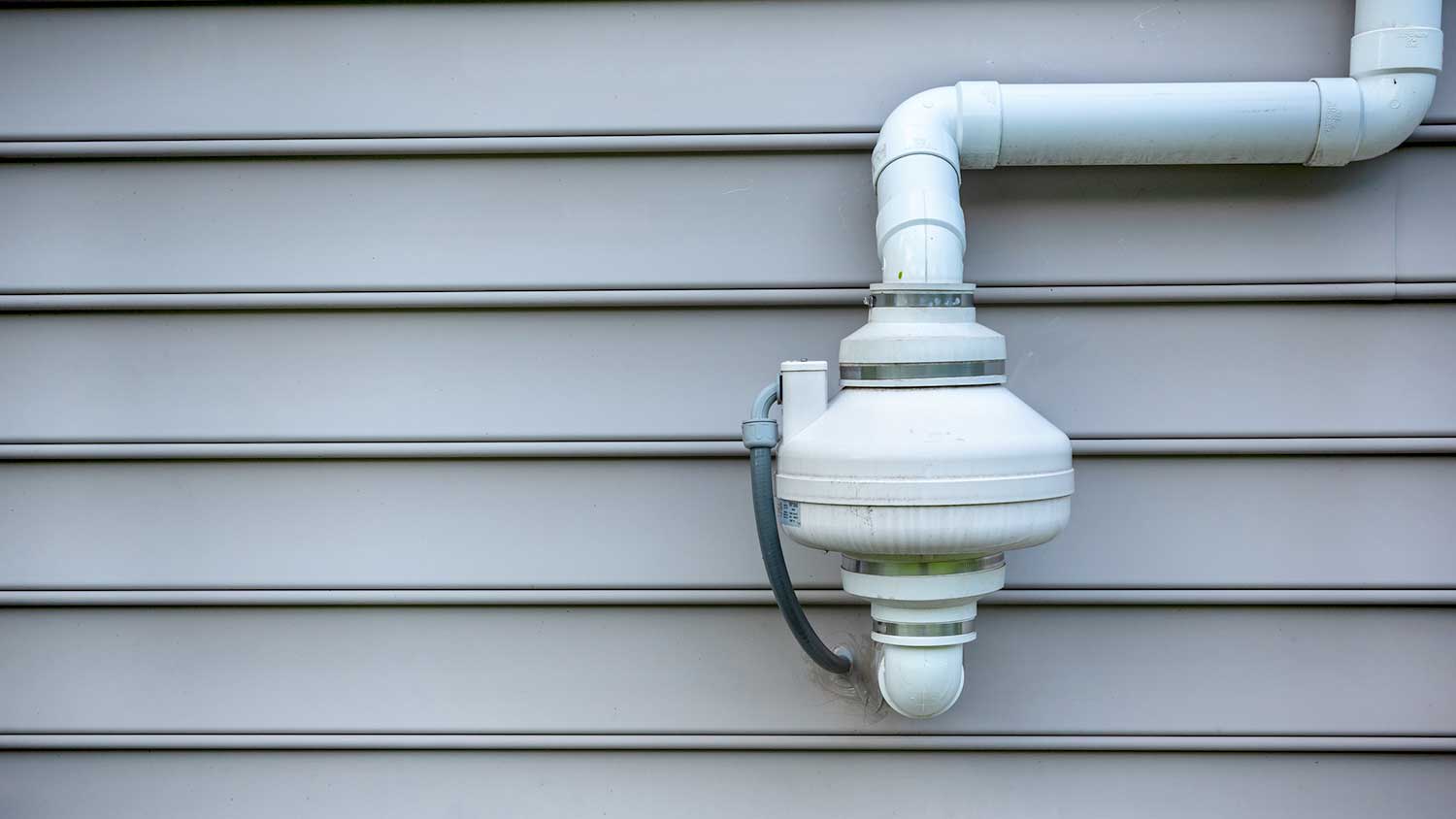
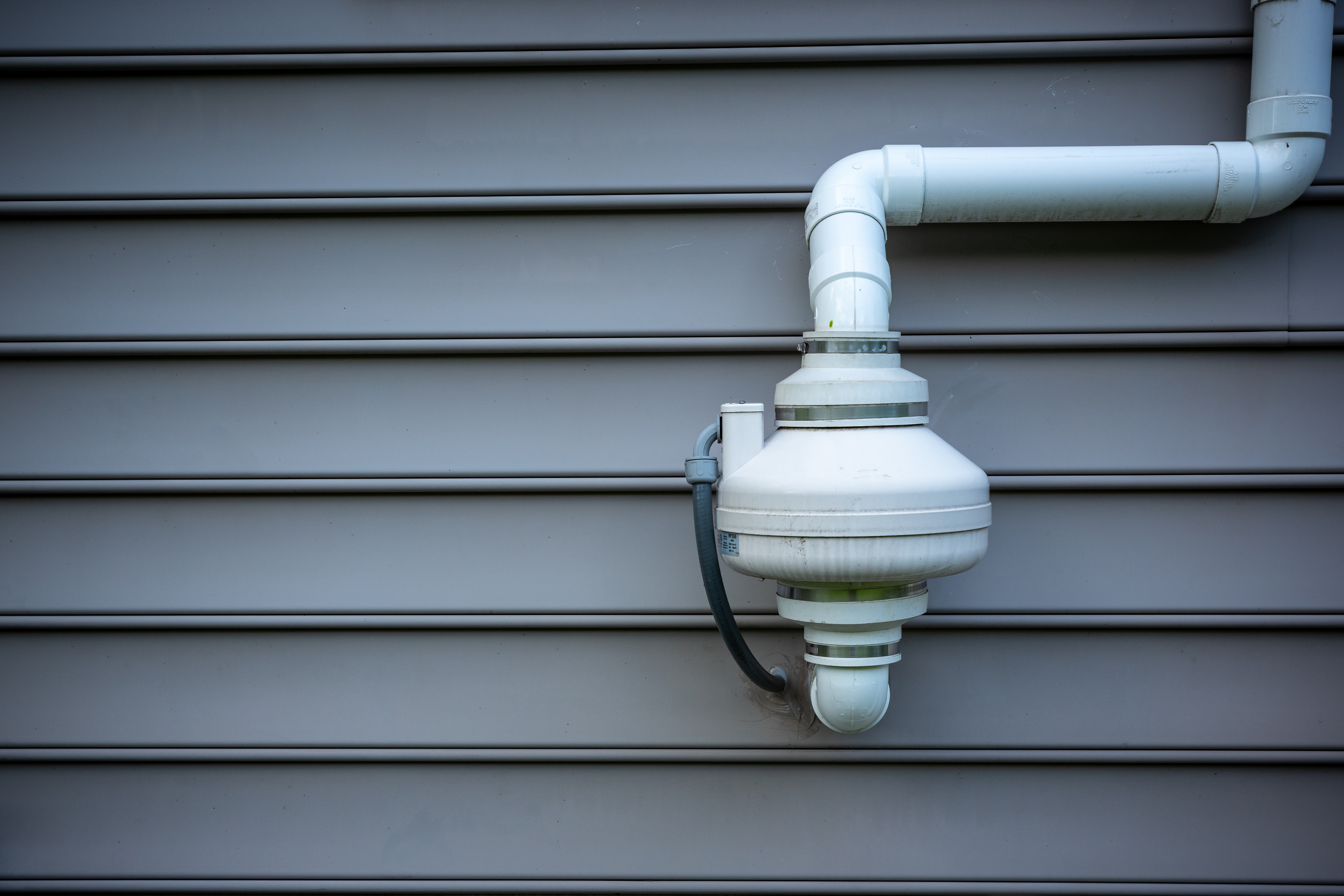
The cost to replace a radon fan ranges from $300 to $600 for the fan itself, with installation adding an additional $200 to $500. Overall, the total cost for replacement can range from $500 to $1,100, depending on factors such as the fan model, home size, and local labor rates. If the fan is part of a larger radon mitigation system, the price may be higher.

Keeping radon from getting into your home is much better than having to get rid of it once it's already indoors. While there may not be a way to fully prevent radon from getting into your home, there are things you can do to reduce the gas's ability to enter. 

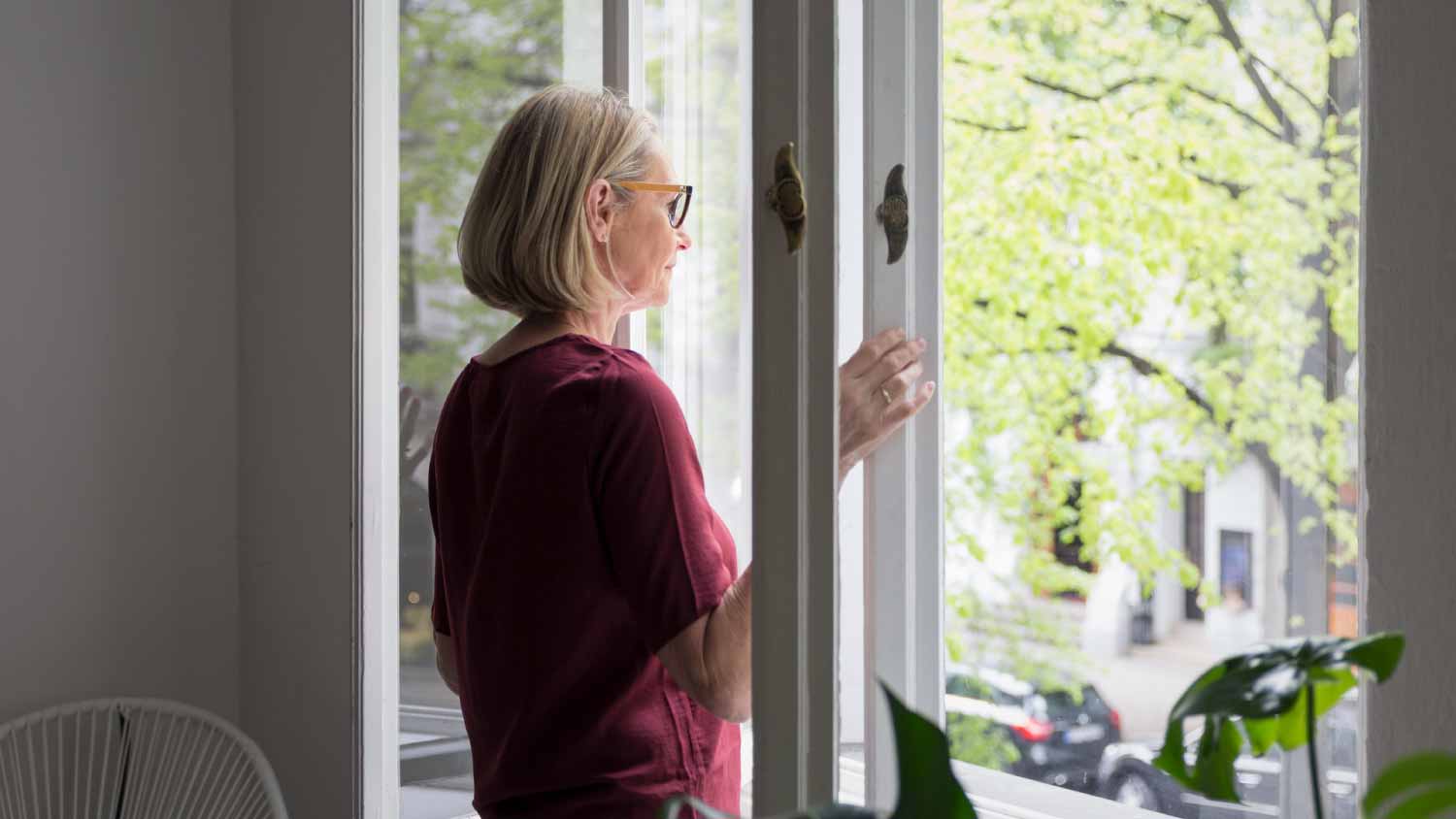
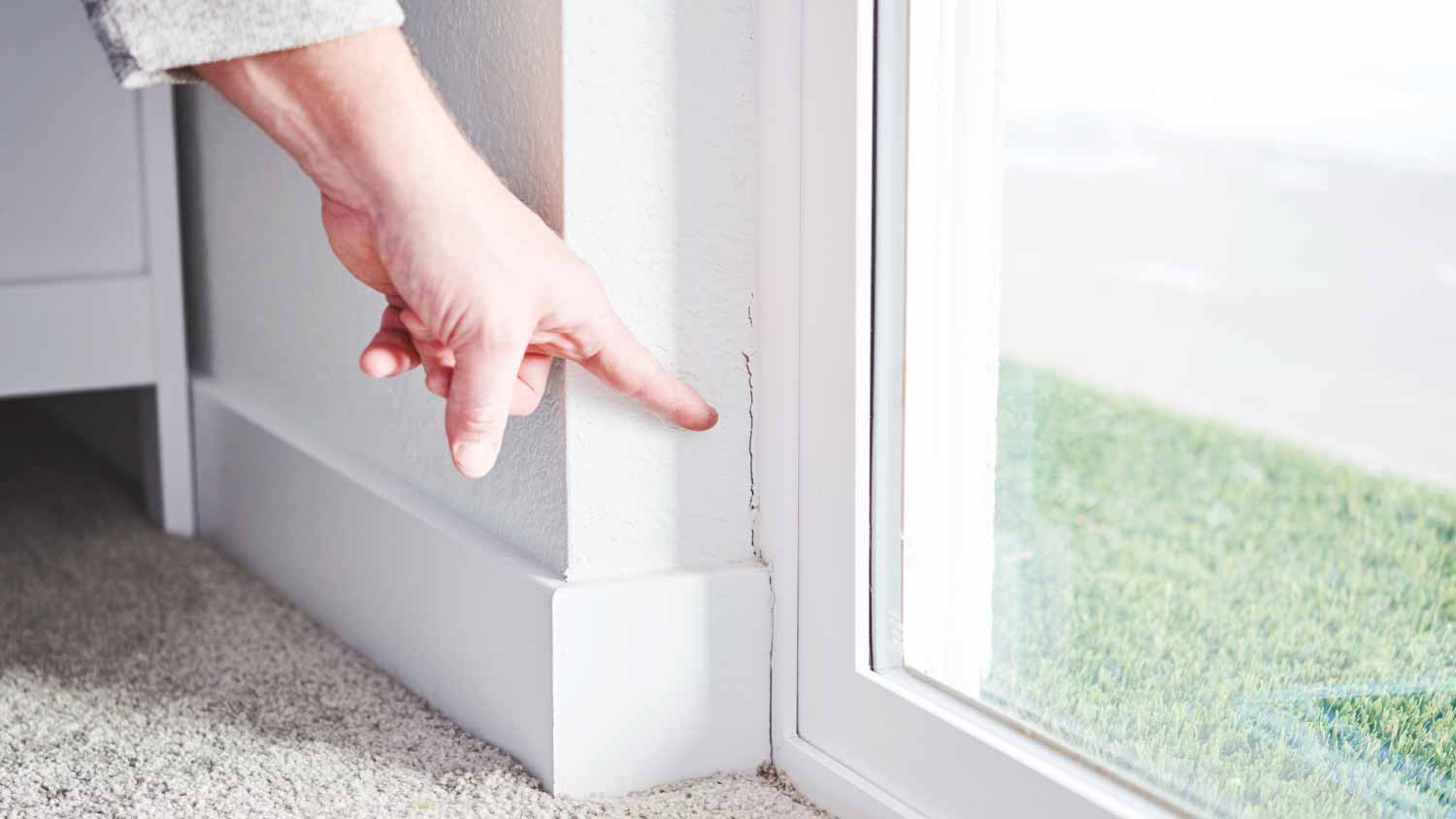
Sealing foundation cracks and openings can help keep the gas from seeping inside. Improving air flow, such as by opening windows, can also be helpful. If you're building your home from scratch, talk to your contractor about using radon-resistant construction to keep the gas out.

Radon is a cancer-causing radioactive gas that poses serious health risks, infiltrating homes through foundation cracks and unnoticed spaces.

The soil beneath your house is most likely what’s causing an increased level of radon. This is because soil holds radioactivity for a long time and it’s also what most buildings are built on. Another common source of radon is water from a source that hasn’t been through periodic radon tests, such as well water. Over time, the radon from the soil can inhabit other parts of your house like the foundation or plumbing.

The Hoyt Lakes, MN homeowners’ guide to radon detection and reduction services

From average costs to expert advice, get all the answers you need to get your job done.