





Top-rated home security system pros.

Best home security system pros near Delano, MN

Enter your zip and get matched with up to 5 pros

Need a pro for your home security system service project in Delano, MN?

Select your specific project to find the pro for you.

Top-Rated Home security system pros in Delano - Updated Nov 2026

Avatar for Nighthawk Security
Nighthawk Security
4.3(
100
)
Surveillance Cameras - Install or RepairAlarm or Security System - RepairAlarm or Security System - Install+5 more

Serving Delano, MN and surrounding areas

Approved

In business since 2001

Free estimates

Emergency services offered

"Both the owner, who came out to look over our needs, and the technician, who set up the system, were very helpful, knowledgeable, and professional. We've only just gotten the system, so I can't comment on its effectiveness yet, but our experience so far has been positive."
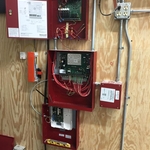
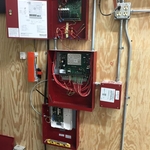
Commercial Fire system
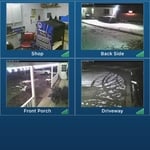
Total Connect Camera system
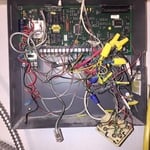
Before
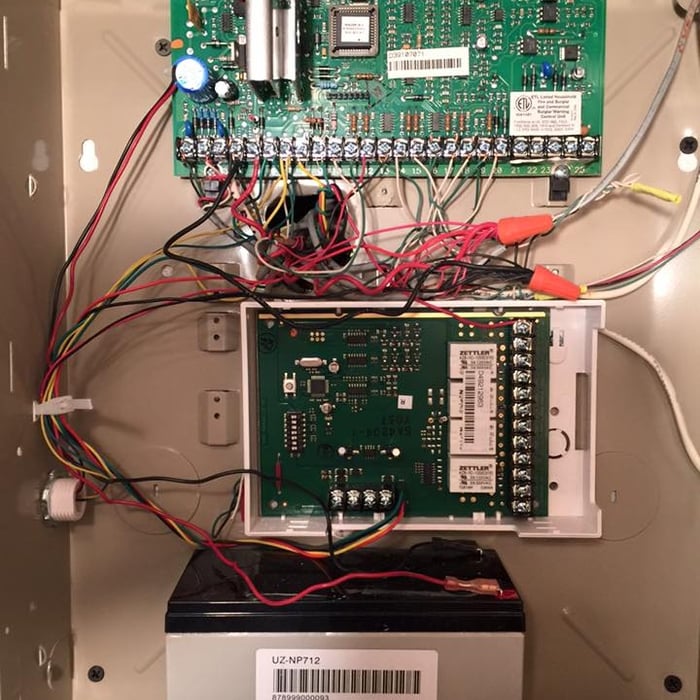
New Panel

+1

Response time1 day
22 neighbors recently requested a quote
Recommended by71%of homeowners

Avatar for Lloyd Security, Inc.
Lloyd Security, Inc.
3.1(
28
)
Surveillance Cameras - Install or Repair - For Business

Serving Delano, MN and surrounding areas

Approved

In business since 2001

Free estimates

Emergency services offered

"We were with another monitoring company and Lloyd Security helped us throughout the transition and even sent the cancellation request for us. They made sure that careful attention was given to the aesthetics of the installation because we did not want wires to show or have extra holes drilled. They showed up when expected and completed the job the same day as promised. It's nice to deal with a business that is not only courteous, but prompt, careful and knowledgable."
Smart Home Thermostat
3 neighbors recently requested a quote
Recommended by68%of homeowners
Showing 1-10 of 47
Home Security Systems FAQs, answered by experts

The cost of home automation averages around $1,000, with most projects falling between $200 and $2,000. The total cost depends on several factors, including the level of automation, brand, system features, home size, and location. For a DIY approach, basic home automation technology can cost between $100 and $500, though the scope and interaction between products may be limited. High-end, all-inclusive systems for larger homes can cost anywhere from $10,000 to $150,000, especially when they include smart appliances like refrigerators and dishwashers that require extensive wiring. Additional costs, such as subscriptions for maintenance services, can also impact the total price. It's often helpful to set a budget and consult with an expert to determine the best options for your home.
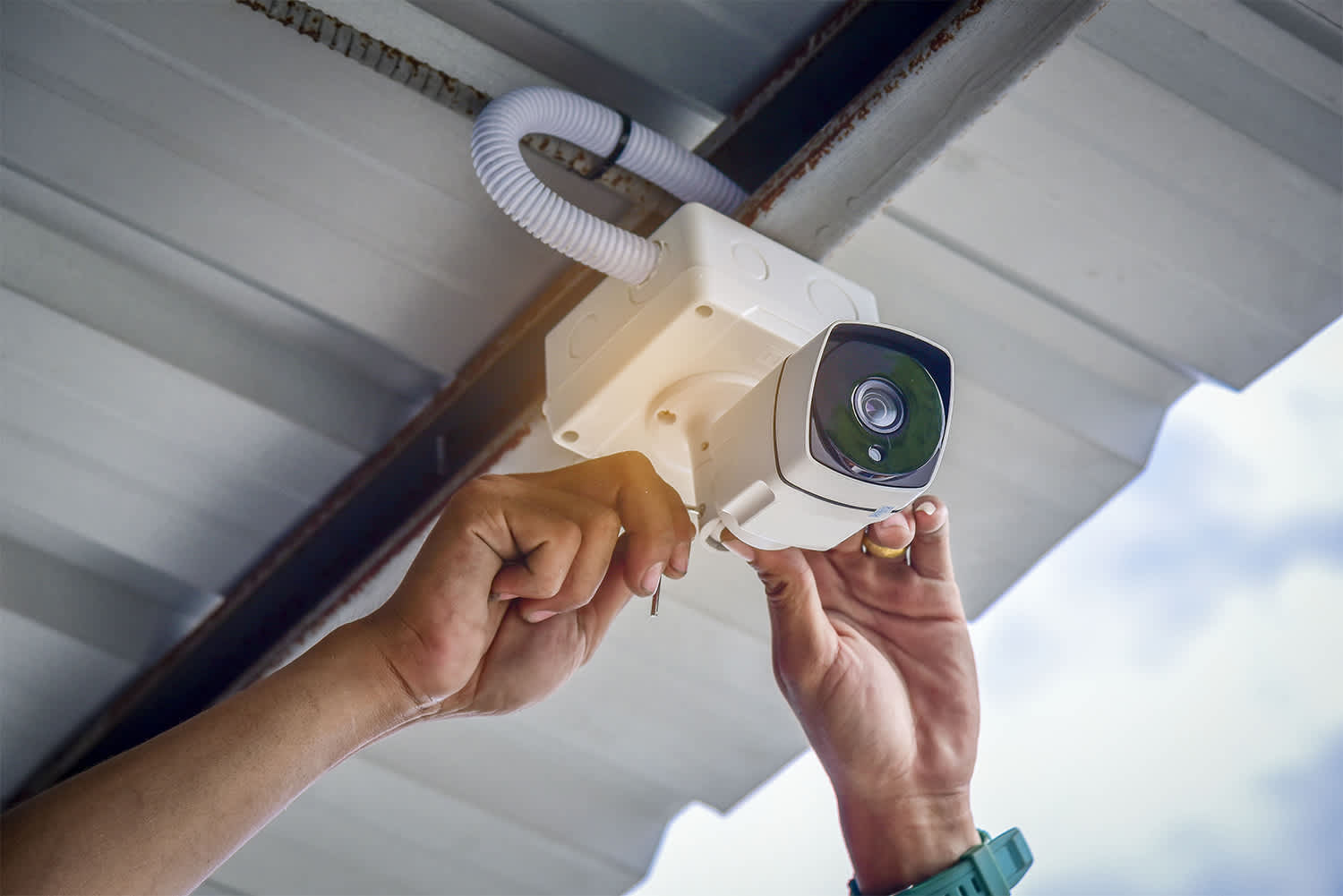
You should be able to use your smart doorbell and access your video feed without a subscription. Subscriptions give you special features, such as night vision, downloading, and automatically saving footage for a set amount of days. It’s a good idea to compare plans among different providers before you commit. 
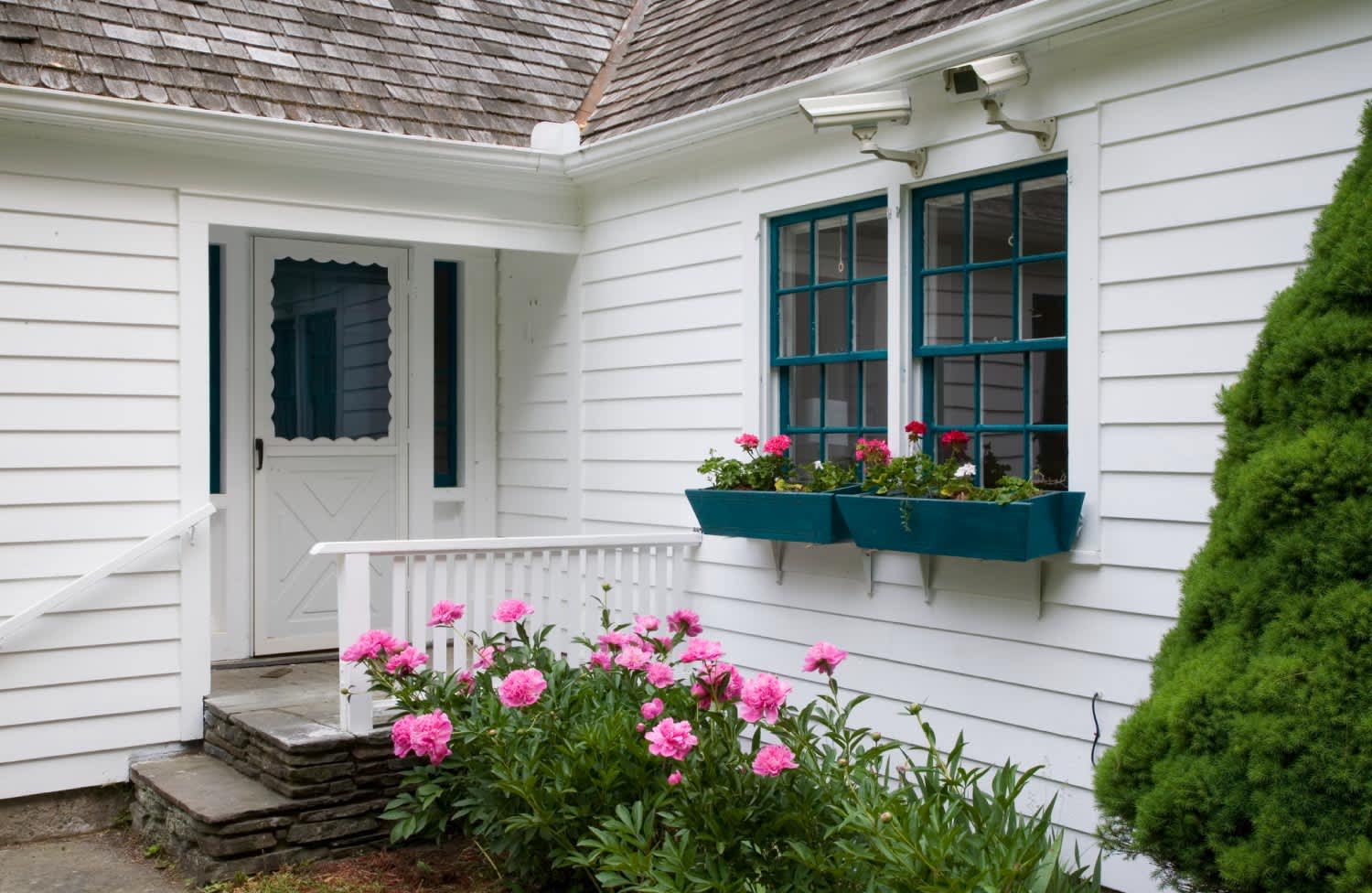
It depends on your specific needs. A security system typically includes alarms, sensors for windows and doors , and 24/7 monitoring services, offering comprehensive protection with immediate response to potential threats. Cameras, on the other hand, primarily provide visual surveillance and evidence collection. A security system is preferable if your primary concern is deterring intruders and receiving real-time alerts. Cameras are ideal for monitoring and recording activities but might offer a different level of active protection. In many cases, a combination of both—a security system with integrated cameras—provides the most robust home security solution, offering prevention and documentation.
To prevent false alarms, motion detectors need proper placement and settings. Start by installing them away from pets and windows where outside movement could set them off. Adjust the sensitivity settings to reduce the likelihood of it detecting minor motions. Consider using dual-tech sensors, for example passive infrared (PIR) and microwave technology, to improve accuracy and reduce false alarms. And don’t forget regular maintenance—cleaning the sensor and checking for any obstructions can go a long way in making sure your detectors run smoothly.

This is the topic of much debate, though there is no “better,” as it depends on personal preferences. Some of the components of a wireless system keep working when the power goes out, as they are battery-powered. On the other hand, a wireless system typically connects to your modem and router. Wired systems use landlines to communicate, which never go out on their own unless they’re physically cut.

The Delano, MN homeowners’ guide to home security system services

From average costs to expert advice, get all the answers you need to get your job done.