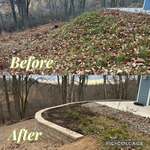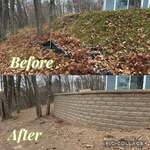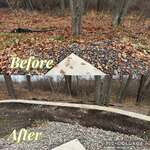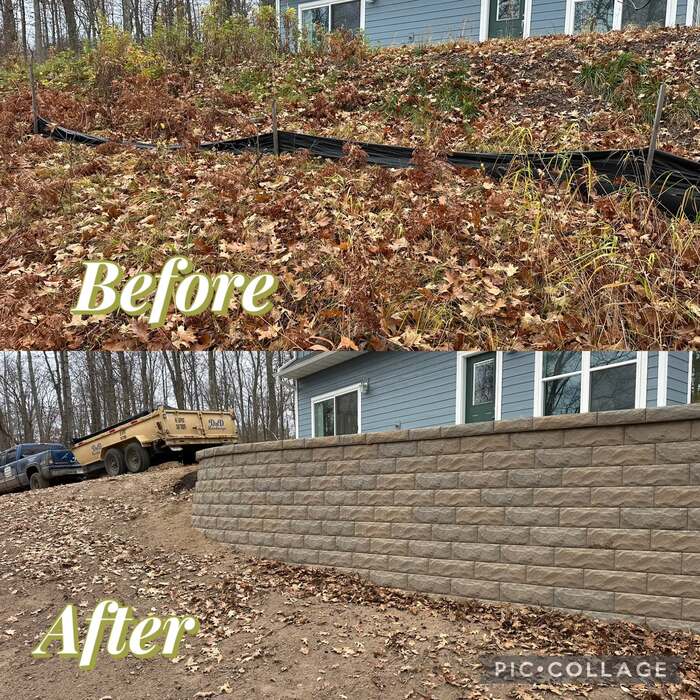






Top-rated excavation pros.

Get matched with top excavation pros in Emily, MN

Enter your zip and get matched with up to 5 pros

Need a pro for your excavation project in Emily, MN?

Select your specific project to find the pro for you.

Find Excavation pros in Emily

Avatar for Campbell's LLC
Campbell's LLC
5.0(
9
)

Serving Emily, MN and surrounding areas

Approved

In business since 2023

Free estimates

Emergency services offered

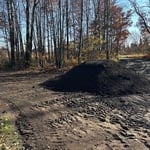
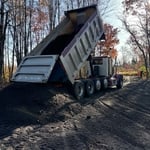
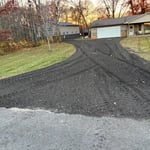
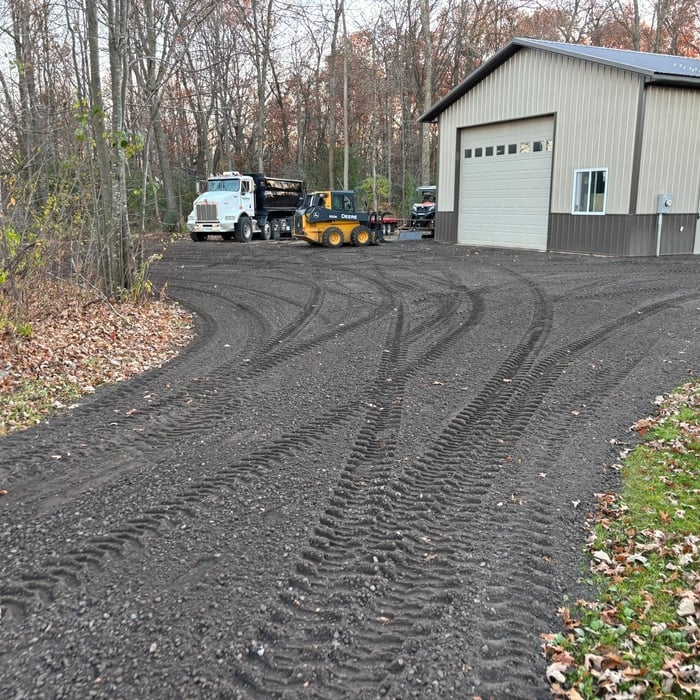
"Itâ s not just what you do itâ s how you do it. Zak is a very experienced earth mover and also one of the nicest contractors Iâ ve ever met. Graded our entire driveway and front lot exactly the way we wanted and cleaned up after. Best in class."
Response time12 hrs
1 neighbors recently requested a quote
Recommended by100%of homeowners
Dean's Tank Corporation
4.7(
17
)

Serving Emily, MN and surrounding areas

In business since 1987

Free estimates

Offers commercial services

"This company was quick to respond to my need, setting up a time the very day we spoke. The service technician called when he was on his way, giving a good ETA, and was responsive and polite during our interactions. He reviewed the tight area and the job to remove two old, large fuel oil tanks from the back of the property, and then just got it done. Billing was super easy as he produced the invoice right there. I would recommend Dean's for any similar project."
BTR
BTR II
UST 1
UST 2
UST excavated

+6

Response time2 days
Recommended by100%of homeowners
Ruff It Up Construction
4.0(
4
)

Serving Emily, MN and surrounding areas

"The team was prompt and very detailed, was able to pivot and suggest little changes that improved the overall look. They reconstructed a soffit and several bathroom and bedroom walls to enhance the appearance. I asked for non textured ceilings and they are flawless. Great communication throughout the job…I will rehire again in the future!!"
Drywall
Garage
Mudding
Drywall
Garage

+19

Recommended by75%of homeowners
JK Construction
New to Angi

Serving Emily, MN and surrounding areas

In business since 2020

Free estimates

Offers commercial services

We take great pride in our experience, expertise, quality, and customer\nservice that we provide to meet the consumer's needs. It is our mission\nto provide excellent workmanship and complete\ncustomer satisfaction from start to completion of a project. In order to\nunderstand the needs and expectations of our customers, we take great\ncare to work and communicate with every customer in a professional\nmanner. Our reputation is based on service, safety,\nand quality, regardless of how large or small the job.

Excavating questions, answered by experts

Digging a bush up by the roots is the most natural DIY method for removing a bush stump. Start by identifying the shrub type and revealing its roots. Cut the shrub to its base and loosen the soil, ensuring no utility lines are nearby. Optionally, treat the base with herbicide, then dig around the roots and cut a circle around the shrub using various tools. Dig a trench, cut the base of the root ball, and finally fill the hole to prevent regrowth. This thorough process ensures complete removal without damaging surrounding areas.

You can bury underground electrical wire six inches deep—but only if you use a rigid metal electrical conduit. For rigid, non-metallic conduits, bury the wire at least 12 inches deep. If using an underground feeder cable rated for direct burial, you'll need to place it at least 18 inches deep, as it has no conduit for extra protection.

No, a ditch isn’t a trench. A ditch is an open, relatively shallow channel that’s carved out of the ground and used for drainage purposes. In contrast, a trench is a deeper excavation that’s entirely underground. Trenches have many uses, including gas lines, sewage systems, and electrical wiring. Unlike trenches, ditches don’t get filled back in with dirt after they’re dug.

Preparation involves site assessment, clearing debris, grading surfaces, and compacting soil to support stable construction.

The best type of soil to build on is a mixture of sand and clay, known as loam soil. Loam soil has the best combination of these soil types to build a foundation on. The clay particles help with water retention, so it won’t erode like sandy soil might, and the sandy particles help with drainage, so you won’t see unsafe soil expansion or have an increased risk of leaks from water sitting against your foundation.

The Emily, MN homeowners’ guide to excavation services

From average costs to expert advice, get all the answers you need to get your job done.

What do you need done? We’ll find top pros.
  • 🌱 "Mow a small front yard"
  • 🛠 "Fix a leaking pipe under the sink"
  • 🏠 "Repair shingles on an asphalt roof"