





"Called for a quote on a property we were considering purchasing. We not only got a reasonable general quote, but also incredibly helpful information about the area and the project we were considering. We will be contacting them again if we find the right property."
"He came on time and it seemed as if the work I needed was important to get to quickly. He also did the work the way it was best required. I had talked to others previously who wanted to exaggerate the project's time and needed work. He didn't. He knew just what had to be done and did it proficiently. They did a good job,"
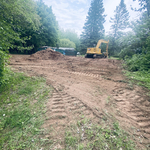
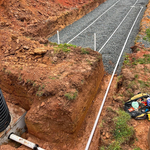
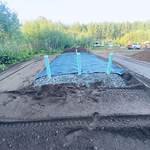
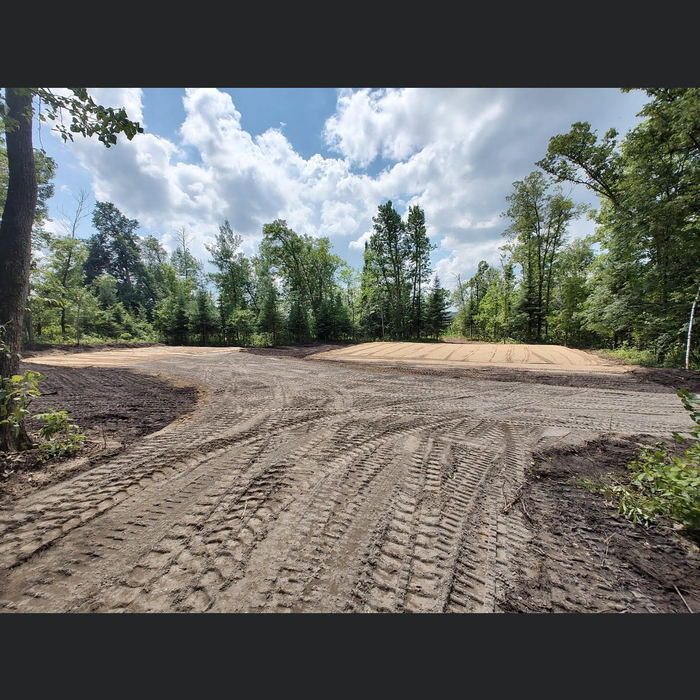
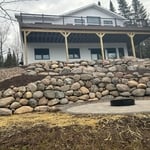
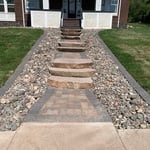
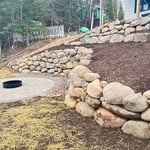
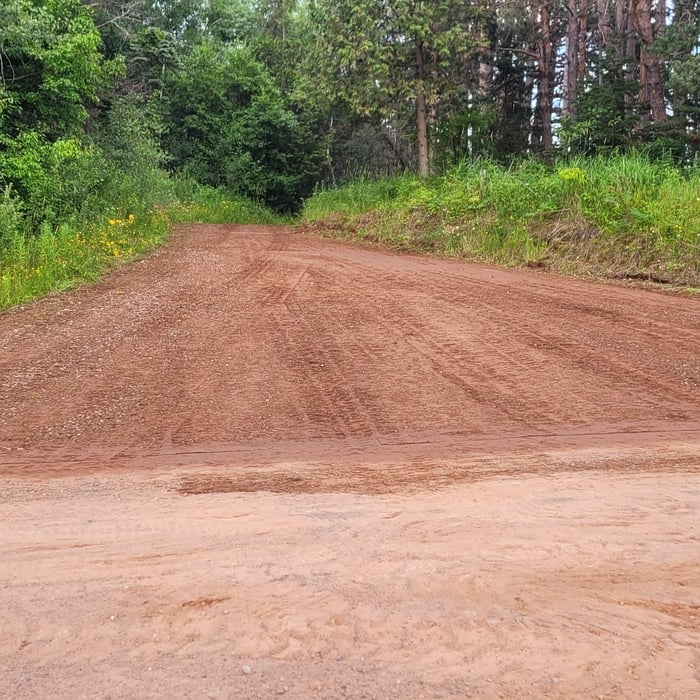
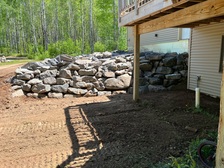
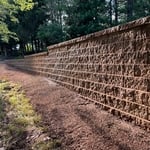
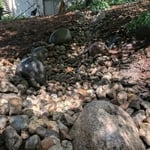
Located in Duluth Minnesota, Skyline Contractors offers services from general dirt work, driveways, land clearing, digging ponds, shoreline restoration, retaining walls, building pads, utilities, etc. we also do snow removal and plowing, as well as sanding for both commercial and residential. Although our main office is located in Duluth, we offer our services throughout Minnesota, North Dakota, South Dakota, Wisconsin and Upper Michigan.
"I hired SFCterrainworks to remove several large trees and to remove a large brush pile. Excellent work all around! Very considerate through every step and very competitive pricing. I have used other contractors in the past for comparison. I highly recommend SFCTerrainworks."
"Great, professional company to work with. Had a few equipment problems along the way, but they handled it well and it didn t stop them from completing the task within budget and on time. Very pleased."
"We had Jordan and his crew replace our roof this summer. Communication was very good throughout the job, very impressed with the work the crew and him did. We also had our front door replaced this winter. Again, top notch work as I’ve come to expect. I would highly recommend Jordan and his crew at Heyer Grounds."
It’s possible to transplant trees as tall as 50 feet when an experienced tree planting service uses the right equipment. However, a tree with a trunk larger than two or three inches in diameter needs to be handled by a professional in order to yield successful transplanting results. Consulting a tree planting professional is the best way to tell if your large tree can be safely transplanted.
Call 811 to locate and mark the gas lines at least three days before digging. In many areas, you can dig within 18 inches of the lines, though in some locations, the distance may be further. Check local regulations, as you may need a utility company representative onsite when digging. Document your calls to 811 and precautions taken to avoid gas lines. A homeowner can be held liable for hitting a gas line in some cases, but contacting the proper authorities and following all guidelines can offer protection.
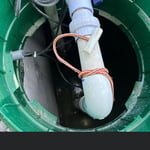
Yes. A metal detector is one of the quickest and easiest ways to find your septic tank. However, metal detectors can be too expensive (costing upward of $300 in some cases), and not everyone has a metal detector just lying around. If that’s the case for you, you can also take a long metal rod and poke it into the ground at regular intervals until you hit something—likely your septic tank lid.
Depth is not a qualifying component of evacuation. Any human-made cut, cavity, or depression in the earth’s surface is considered excavation. The hole from excavation can be any size, shape, or depth. Excavation is used to create foundations, reservoirs, drainage ditches, and roads. Long, narrow excavations are called trenches and are often used for underground utilities.
In most areas, you will need a permit for excavation work, even for projects that only involve grading or yard leveling. Permit requirements depend on your local government and the scope of the project, but they are especially common for significant digging or work that could affect utilities or public property. These permits help protect the local topography and prevent drainage issues. An experienced excavation company will typically know whether permits are needed and can often handle the process of pulling and closing them for you. You can also verify permit requirements by contacting your local building department and describing your project.
The Mountain Iron, MN homeowners’ guide to excavation services
From average costs to expert advice, get all the answers you need to get your job done.
Excavation costs $1,500 to $6,300 for most residential projects—but it depends on factors like the size of the area. This guide will help you plan a budget.
You can't have an in-ground pool without digging into the ground. How much does pool excavation cost, and can you take it on yourself? Our guide explains.
Picking the right pro can make or break your project. Learn how to hire an excavation pro with the qualifications and skillset to do the job efficiently.