

Top-rated water softener pros.

Get matched with top water softener pros in Bigfork, MN

Enter your zip and get matched with up to 5 pros

Need a pro for your water softener service project in Bigfork, MN?

Select your specific project to find the pro for you.

Find Water softener pros in Bigfork

Avatar for Range Water Conditioning
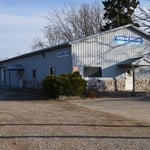
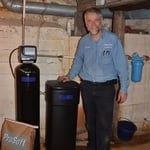
Range Water Conditioning
4.8(
75
)
Water Treatment & Purification System - Install or ReplaceWater Treatment & Purification System - Repair or Service

Serving Bigfork, MN and surrounding areas

Approved

In business since 1969

Free estimates

Emergency services offered

"Our water stunk like rotten eggs! Scott came out, looked everything over and did numerous tests on our water. He explained what he had found and took all the time we needed to understand what the problem was. He was more like a good friend than a salesman! We felt total trust in the company. We were able to schedule an install of a new water softener system the next day! The man who did the install (I have forgotten your name, sorry) was professional and did an excellent job. We are very happy with the new system! I definitely recommend this company and would use them again!!!"
Response time10 hrs
47 neighbors recently requested a quote
Recommended by98%of homeowners
Water Softeners questions, answered by experts

A tankless water heater should be at least 10 feet away from a water softener, although the pros you hire for water softener installation can help you determine the correct distance. These two units need to have some distance between them to prevent hot water from the tankless water heater from flowing backward into the water softener when it runs a regeneration cycle.

A water softener is a worthwhile investment if you live in an area with hard water. While hard water is safe to drink, it contains minerals like calcium and magnesium that can cause significant problems over time. These minerals build up inside pipes, reducing water flow and eventually corroding the plumbing system, which can lead to leaks and a shortened lifespan. Hard water also damages fixtures and appliances, potentially resulting in costly repairs. Additionally, it makes soaps and detergents less effective, meaning you'll use more product to get things clean. By installing a water softener, you can prevent these issues. The initial investment is often recouped through long-term savings, including lower energy bills, reduced appliance and plumbing maintenance, and spending less on soap and cleaning supplies. Other benefits include cleaner linens, dishes, and clothing, as well as softer water that is gentler on your skin and hair. In some areas, a water softener can also increase your home's value, making it a valuable long-term investment.

You should not use a water conditioner with a water softener because a water conditioner changes the chemistry of the water and causes the ion exchange in a softener to be ineffective. Choose a water softener if you have hard water or well water, and use a water conditioner if you need to remove certain contaminants.

While not everyone can detect taste differences in high-calcium water, water that has a slightly metallic taste probably has too much calcium.

The primary difference between a water softener and a water filter lies in what they remove from the water. A water softener is designed to remove hard minerals like calcium and magnesium. In contrast, a water filter has a broader effect, removing various contaminants above a certain size, which can include bacteria and other impurities.

To decide which you need, consider your goal. If you want to eliminate hard minerals, choose a softener. If you want to remove a wide range of contaminants, a filter is the better option. Filters are also generally less expensive to install. Depending on your water supply, you may need to install both for comprehensive treatment.

The Bigfork, MN homeowners’ guide to water softener services

From average costs to expert advice, get all the answers you need to get your job done.