



Top-rated chimney inspectors.

Get matched with top chimney inspectors in Willis, MI

Enter your zip and get matched with up to 5 pros

Need a pro for your chimney inspection project in Willis, MI?

Select your specific project to find the pro for you.

TRUSTED BY WILLIS, MI HOMEOWNERS

  • Average homeowner rating star icon4.1
    Average homeowner rating
  • Verified reviews icon198
    Verified chimney inspection services reviews

Find Chimney inspectors in Willis

Avatar for Dr. Sweep, Inc.
Dr. Sweep, Inc.
4.1(
519
)
Clean and Inspect a wood fireplace chimney

Serving Willis, MI and surrounding areas

Approved

In business since 1987

Free estimates

Credit card accepted

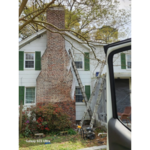
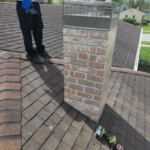
"Randy did an excellent job with plenty of explanation re the tasks involved. A very personable & knowledgeable young man He also got on the roof to review the outside and top of the chimney and pointed out some issues with previous repairs that will need maintenance it the future. Would request him for any future chimney work"
Response time8 hrs
Response rate95%
131 neighbors recently requested a quote
...
Showing 1-10 of 60
Chimney Inspection questions, answered by experts

Home inspectors may look briefly at your roof, but certified roof experts will be more thorough. Hiring a roof inspector can give you a better sense of any underlying concerns as well as longevity. That said, a roof inspector won’t look at the rest of your home. The inspection may or may not include the attic, where problems can be hidden if they aren’t already visible on the surface of your roof. It’s important to clarify exactly what you’re getting with your inspector so there are no surprises.

In most cases, a roof inspection will include a visual inspection of the exterior roofing materials, an interior inspection for signs of leaking or roof damage, and an assessment of the structural stability of your roof and the materials supporting it. Some things your roof inspector will look for include the following:

  • Missing or damaged shingles, flashing, or sealant

  • Signs of old age

  • Signs of leaks, including mold growth and water stains

  • Potential issues, like tree branches touching your roof

  • Signs of a loss of structural integrity

The four types of roof sheathing are plywood, oriented strand board (OSB), planks, and tone-and-groove boards. The overwhelming majority of homes use the first two (especially OSB) and the other two are not often seen outside of special use cases. Methods of sheathing include solid sheathing, open sheathing where there are gaps, and plank sheathing. Most roofs are solid sheathing.

Generally, snow removal from a roof should occur once over six inches of snow accumulates, especially if you notice that ice dams have formed. Without ice dams, you can let the snow accumulation hit 12 inches before removing it. However, the amount of snow that is too much for your roof also depends on the sturdiness of your roof and the compactness of the snow. If your roof needs maintenance or has structural issues, it’s best not to let the snow accumulate too much for fear of collapsing.

Leaving a significant amount of snow on your roof can be risky. Most roofs are designed to handle about 20 pounds per square foot of snow, but exceeding this limit can lead to a roof collapse. A collapse can cause severe damage to your home and belongings and poses a physical danger to anyone inside. Furthermore, heavy snow accumulation increases the risk of ice dams, which can cause leaks and water damage to your roof, attic, and interior walls.

The Willis, MI homeowners’ guide to chimney inspection services

From average costs to expert advice, get all the answers you need to get your job done.