


Top-rated concrete resurfacing pros.

Get matched with top concrete resurfacing pros in White Cloud, MI

Enter your zip and get matched with up to 5 pros

Need a pro for your concrete resurfacing project in White Cloud, MI?

Select your specific project to find the pro for you.

Find Concrete resurfacing pros in White Cloud

Avatar for Foundation Specialist, LLC
Foundation Specialist, LLC
4.2(
38
)

Serving White Cloud, MI and surrounding areas

In business since 2012

Free estimates

Emergency services offered

"I'm selling a home in Holland. The appraiser noticed a crack in the poured concrete foundation and asked for further investigation by a licensed foundation expert. Bryan Foster showed up promptly, provided a written report that confirmed no settlement, bowing or water intrusion, and charged a fair price. I didn't need or ask for an estimate, but Mr. Foster provided one free. I appreciate that the estimate was separate from the inspection report."
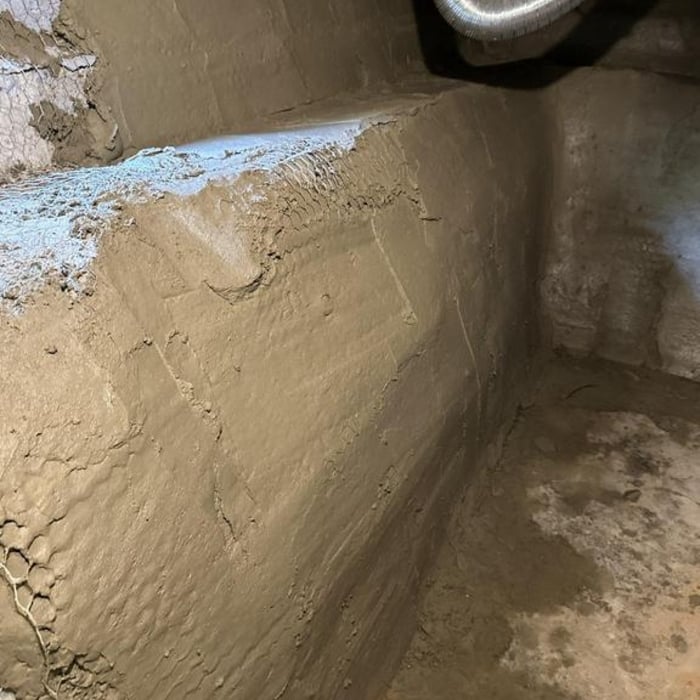
Basement repair
Basement repair
Additional Photos
Additional Photos
Additional Photos

+5

Recommended by85%of homeowners
Wheeler Concrete
New to Angi

Serving White Cloud, MI and surrounding areas

In business since 2000

Free estimates

"Cement Work Is My Line, Not A Side Line"\n\nWe take great pride in our experience, expertise, quality, and customer service that we provide to meet the consumers' needs. It is our mission to provide excellent workmanship, and complete customer satisfaction from start to completion of a project. In order to understand the needs, and expectations of our customers, we take great care to work, and communicate with every customer in a professional manner. Our reputation is based on service, safety, and quality, regardless of how large or small the job. We will treat your home or business as we would treat our own. Give G&D Concrete a call today, we look forward to working with you!

Showing 1-10 of 22
Concrete Resurfacing questions, answered by experts

The best—and most popular—time of year to resurface a concrete driveway is the late spring. Concrete damage often peaks in the winter as the ground freezes and thaws. Waiting until late spring allows the ground to soften fully, so you don't run the risk of more damage from a sudden cold snap.

A concrete overlay on an existing slab can range from 1/4 of an inch to 2 inches thick, though a minimum of 2 inches is often recommended to ensure stability and quality. The ideal thickness depends on the condition of the existing concrete and the depth of any planned designs or imprints. Before applying the overlay, it's important to repair and clean the surface, then apply a primer. For specialized work like a stamped concrete overlay, hiring an experienced contractor is recommended to determine the correct thickness and ensure the new layer isn't too high or heavy. For context, most standard concrete slabs are between 4 and 6 inches thick.

To improve the appearance of concrete steps, you can repair any damage, refresh the surface, and add decorative elements. For crumbling, chipping, or broken sections, consider concrete resurfacing or light repair. If the surface is intact but discolored, applying a coat of paint, stain, or concrete sealer can refresh its look; reapplying a sealer every one to two years is recommended for maintenance. For a quick enhancement, you can also add decorative items like potted plants, garden statues, lanterns, or decorative railings to spruce up the area.

The best solution to fix a foundation crack in your basement floor depends on the underlying cause. If you just have hairline cracks from settlements that are no longer growing, the best option is to seal them with a crack sealant. If the cracks continue to grow, one edge rises above the other, or there are signs that water is getting in through the crack, a professional repair will be necessary. Depending on the root cause, your professional may employ foundation underpinning or some other type of stabilization, seal the cracks, or install a drainage system.

Pervious concrete should be between 4 and 8 inches thick to drain water properly. Surfaces like parking lots and driveways should be at least 6 inches thick to accommodate the weight of vehicles, while patios and walkways may be poured between 4 and 6 inches thick. There’s no standard for pervious concrete thickness, but in most cases, the more weight the surface will need to hold, the thicker it should be.

The White Cloud, MI homeowners’ guide to concrete resurfacing

From average costs to expert advice, get all the answers you need to get your job done.