

Top-rated concrete resurfacing pros.

Best concrete resurfacing pros near Chase, MI

Enter your zip and get matched with up to 5 pros

Need a pro for your concrete resurfacing project in Chase, MI?

Select your specific project to find the pro for you.

TRUSTED BY CHASE, MI HOMEOWNERS

  • Average homeowner rating star icon4.8
    Average homeowner rating
  • Verified reviews icon14
    Verified concrete resurfacing reviews

Top-Rated Concrete resurfacing pros in Chase - Updated Nov 2026

Avatar for Ridge Concrete Professionals, LLC.
Ridge Concrete Professionals, LLC.
5.0(
1
)
Concrete Flatwork - Repair & Resurface- For Business

Serving Chase, MI and surrounding areas

In business since 2023

Offers commercial services

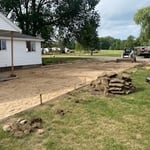
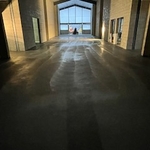
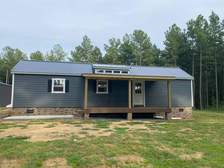
Ridge Concrete Professionals is a locally owned and operated company that values honesty and integrity in all aspects of our business. Our dedicated team of professionals have over 8 years of hands on experience, to provide innovative ideas and suggestions tailored to your projects. Our services are customized to your individual needs, paying close attention to the details of each project that we are involved with. Please feel free to contact us today!

Recommended by100%of homeowners
Showing 1-10 of 15
Concrete Resurfacing FAQs, answered by experts

For handy homeowners, concrete projects are DIYable, and DIYing is a good way to save on the cost of a concrete slab, walkway, or other concrete work. If you’re completing a larger project or one that’s subject to building codes, you should always hire a professional to ensure the job is done safely and correctly.

A layer of exposed aggregate concrete should be 1 to 2 inches thick if you’re installing it on top of existing concrete. If you’re pouring a new slab with the finish, slab thickness will depend on the application. Exposed aggregate concrete driveways should be 4 to 6 inches thick in most cases or 8 to 12 inches for commercial vehicles. Sidewalks, patios, and walkways should be 4 inches thick.

Yes, it is worth repairing concrete cracks. Concrete cracks are normal, and they can be hard to keep from appearing. However, it is worth repairing cracks in concrete for many reasons. For example, it’s possible to repair concrete to the point where the repair is almost invisible. Also, if the crack is left alone, it can become bigger and more expensive to fix over time.

For thin driveway cracks that aren’t widening or lengthening, a polyurethane crack filler is usually the best way to seal the crack and prevent further damage from water and ice. If you have cracks that are more than ⅛-inch wide or driveway cracks that continue to grow, you should call in a professional driveway repair company to fix underlying problems—like insufficient support from the soil underneath—before filling in the cracks. An epoxy sealant is a better option for wider cracks after the surface is leveled and the underlying problem is fixed.

The best—and most popular—time of year to resurface a concrete driveway is the late spring. Concrete damage often peaks in the winter as the ground freezes and thaws. Waiting until late spring allows the ground to soften fully, so you don't run the risk of more damage from a sudden cold snap.

The Chase, MI homeowners’ guide to concrete resurfacing

From average costs to expert advice, get all the answers you need to get your job done.