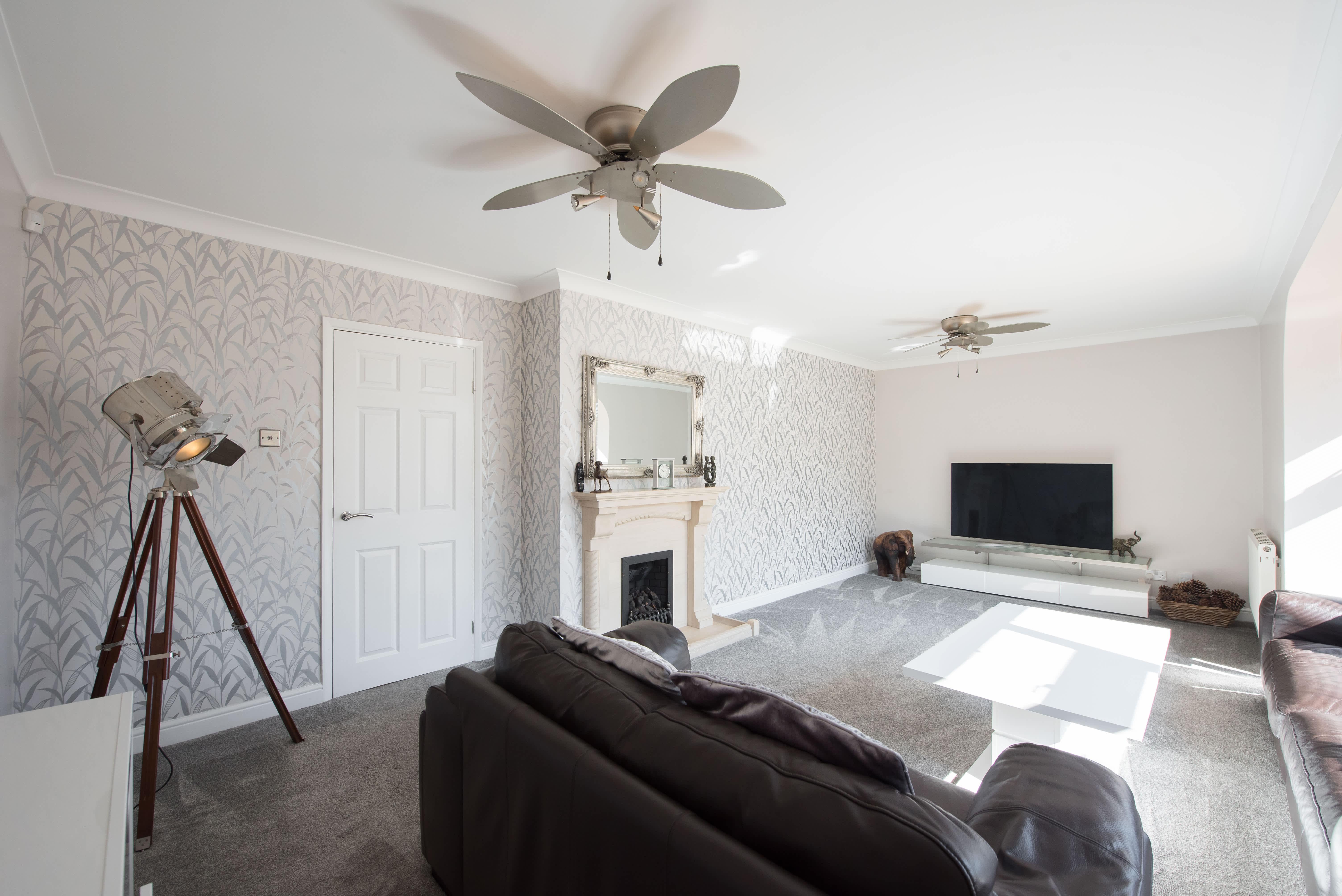




Top-rated ceiling fan pros.

Get matched with top ceiling fan pros in Wells, MI

Enter your zip and get matched with up to 5 pros

Need a pro for your ceiling fan service project in Wells, MI?

Select your specific project to find the pro for you.

Find Ceiling fan pros in Wells

Avatar for American Home Shield – Home Warranty
American Home Shield – Home Warranty
3.5(
5,688
)
Ceiling Fan - InstallCeiling Fan - Repair

Serving Wells, MI and surrounding areas

In business since 1971

Credit card accepted

"I love American Shield.  I love American Shield.  I love them. We have 2 homes; this home is 30 years old, our home in California is twenty years old and we have used them in both places.
A, number 1, plus, plus!"
Additional Photos
Additional Photos
Additional Photos
Additional Photos
Additional Photos

+2

Recommended by65%of homeowners
Ceiling Fans questions, answered by experts

No, a ceiling fan doesn’t have to be wired to a switch, but it’s often more convenient. You can use the included pull chain if your ceiling isn’t too high or install a remote module later, as they are a cheap, easy-to-install option that’ll let you control both the fan and light fixture.

Essential tools for ceiling fan installation include a ladder, screwdriver, pliers, wire strippers, and a circuit tester. If the ceiling is angled or features unique configurations, ensure the availability of a compatible mounting bracket.

The direction your ceiling fan spins helps create comfortable airflow in your home and can also help cut down on energy costs. 

During summer, your ceiling fan should spin counterclockwise. This will push cooler air downward in a column and help lower your room’s air temperature. In the winter, set your ceiling fan to spin clockwise and at the lowest speed setting. This will pull cool air upwards, displacing the warm air that pools towards the top of your ceiling and bringing it down towards the floor.

There are several telltale signs to let you know that your ceiling fan needs servicing or replacement. For instance, if it’s wobbling, rotating too slowly, or if your ceiling fan is making noise such as squeaks, buzzes, and thumps, it’s time to have it looked at by a professional. Not only may it indicate a potential problem with the fan itself, but it could also signal a red flag that it’s improperly assembled or there’s an issue with the wiring.

The square footage of your room will dictate the correct ceiling fan blade size. For example: 

  • Rooms smaller than 75 square feet require a fan that is 29 to 36 inches.

  • Rooms up to 175 square feet require 42- to 48-inch fans.

  • Rooms up to 350 square feet require 52- to 56-inch fans.

  • Expansive spaces over 350 square feet need a fan larger than 60 inches.

The Wells, MI homeowners’ guide to ceiling fan services

From average costs to expert advice, get all the answers you need to get your job done.