






Top-rated ceiling fan pros.

Get matched with top ceiling fan pros in Vulcan, MI

Enter your zip and get matched with up to 5 pros

Need a pro for your ceiling fan service project in Vulcan, MI?

Select your specific project to find the pro for you.

Find Ceiling fan pros in Vulcan

Avatar for American Home Shield – Home Warranty
American Home Shield – Home Warranty
3.5(
5,688
)
Ceiling Fan - InstallCeiling Fan - Repair

Serving Vulcan, MI and surrounding areas

In business since 1971

Credit card accepted

"I love American Shield.  I love American Shield.  I love them. We have 2 homes; this home is 30 years old, our home in California is twenty years old and we have used them in both places.
A, number 1, plus, plus!"
Additional Photos
Additional Photos
Additional Photos
Additional Photos
Additional Photos

+2

Recommended by65%of homeowners
RP Olson Electric, Inc.
5.0(
2
)
Ceiling Fan - InstallCeiling Fan - Repair

Serving Vulcan, MI and surrounding areas

In business since 1989

Free estimates

With over 30 years of experience in the electric, we are the experts you need to take care of your home or business. We handle everything from installing switches to panel upgrades to electrical remodels. We will treat your home as we would treat our own. Give RP Olson Electric, Inc. a call today; we look forward to working with you!

Response time3 hrs
Recommended by50%of homeowners
Avatar for Emerick Electric
Emerick Electric
5.0(
1
)
Ceiling Fan - InstallCeiling Fan - Repair

Serving Vulcan, MI and surrounding areas

In business since 2022

Free estimates

Emergency services offered

Owner operated electrical service company in central Florida specializing in lighting, fans, circuits, outlet replacement and addition, circuit breaker replacement, panel replacement and addition, generator install, electric vehicle charging, RV outlets, and much more. At Emerick Electric we don't just want to be your electrician, we want to also be the honest electrician.\n\nhttp://Http://www.emerickelectric.com

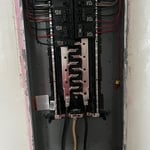
Panel Change
Testing the Charger
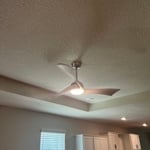
Ceiling Fans Project
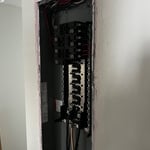
Panel Change
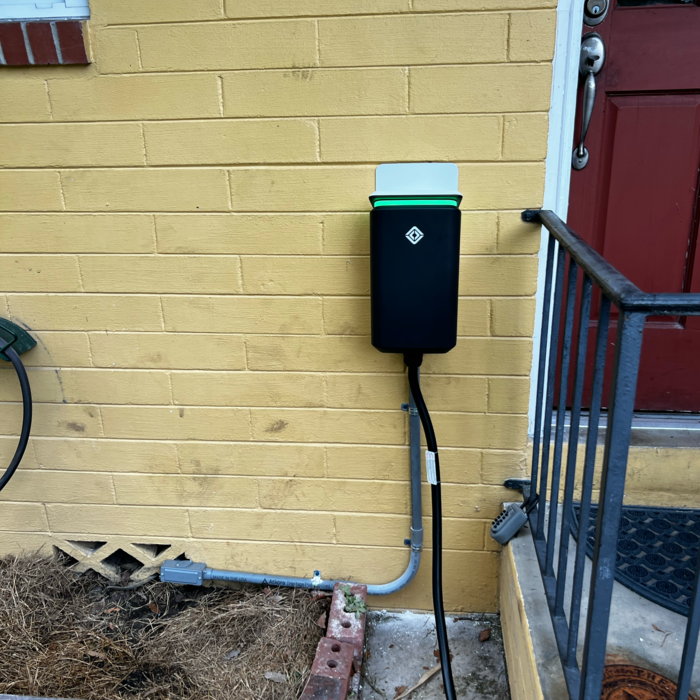
EV Charger

+18

Recommended by100%of homeowners
Ceiling Fans questions, answered by experts

If your home already has wires for a ceiling fan (and optional light kit), then it’s quite safe to wire and install it yourself. Always be very careful to shut off the power before you begin, and confirm that the power is safely off with a non-contact voltage tester before touching anything. It’s also highly recommended to use eye protection, rubberized gloves, and tools with rubber handles to keep yourself safe from electric shock.

Fan power is measured by CFM, or cubic feet per minute. For every 1,000 feet of square footage in your attic, you need a minimum of 700 CFM. Steeper roofs may need larger fans or about 840 CFM.  You can figure the size of attic fan you need by multiplying the square footage of your attic floor by 0.7. (multiply by 1.2 for a steep roof and 1.15 for a dark roof). That number is the CFM required for your fan to run efficiently.

Stainless steel or aluminum fans are long-lasting and have less air resistance. They are best for outdoor use as their durability helps them withstand unpleasant weather conditions. Their heavy weight requires a stronger motor, which leads to more noise than other blade materials.

Wooden fan blades are a classic, durable option. They are much quieter than metal fans and feature a wide range of styles and finishes to choose from. However, they can be damaged by moisture if not covered with plastic.

Plastic fan blades are lightweight, easy to clean, and versatile. There are various shapes and styles to choose from as plastic is easily molded and dyed. They will also deteriorate slower than other materials as they aren’t as susceptible to humidity and moisture.

To convert a ceiling fan to wireless, you’ll need to install a canopy module to access the lighting and fan controls. Many options are available, all of which help you control specific elements of your ceiling fan, so you have plenty of choices depending on your needs.

Identifying the source of noises is your first step to soundproofing a room without overspending. Generally, sound comes from inside or outside of the house. Inside noises include creaking floors, living noises like TVs in the living room, cooking sounds, or kids being kids. External noises generally include incremental weather, disturbing neighbors, and street traffic. Inside noises require you to soundproof floors, ceilings, and doors, whereas outside noises may require you to soundproof your attic, windows, and walls facing the streets.

The Vulcan, MI homeowners’ guide to ceiling fan services

From average costs to expert advice, get all the answers you need to get your job done.