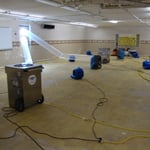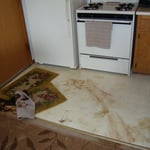
"After getting recommendations and checking Angie's list, I called Rich Reimer of Custom Craft Environmental. Rich was very cooperative and came almost right away. He outlined what he was going to do and after we agreed, he and his crew immediately started to go to work. After vacuuming up as much of the water as possible, they set up huge dehumidifiers and 25 fans to finish the drying. They also sprayed chemicals to prevent mold and to disinfect the flooring; this they did several times during the next days. We had a lot of stuff in our basement and there was a lot to move up off the floor. Rich and his men were extremely helpful and careful with our belongings and never once did they complain about the amount of things they had to move. Rich came back numerous times during the drying out process to check on the progress and to move furniture and fans around for better coverage - for that care we were most grateful. When things were finally dry, we had Steve, one of Rich's crew, shampoo our carpet and he did a great job in spite of all the challenges caused by having to move a lot of furniture, etc. All in all, Custom Craft did an excellent job and it was a pleasure to work with Rich and his crew."

"The furnace took 4 days to get approved( not counting a Sunday) the others were quick but the water heater had to be ordered so without hot water for a week. One ceiling fan was easy but within a year their policy changed and They would not install the one I purchased and had to get a new one approved and then ordered online and took several weeks to get straightened out. Not sure who was at fault, AHS, installer or scheduling with renter. Fee is usually $75 per visit"
Owner operated. I am Jack of all trades. No job to big or small. We do everything from hauling to painting , Plumbing electrical , rental unit turnovers , trash outs roofing , windows and doors. My contact information has been outdated on here for a while. sorry to any customers who tried to reach me. And as always a 20% VETERANS & senior discount.
Driven by family and dedicated to produce quality craftsmanship at a reasonable price doesn't shy away from hard work. Gets things done promptly thoroughly and clean. Been in the construction trades for over 15 years based in Green Bay Wisconsin. I love the state based In Green Bay, Wisconsin servicing the entire Northeast Wisconsin and some of the upper peninsula.\n
Coffered ceilings often come with additional embellishments and accessories, including tin panels, medallions, trim, molding, recessed lights, and finials. Whether you’re looking for a simple grid pattern or want an elaborate, decorative ceiling with all the bells and whistles, there are plenty of options to choose from.
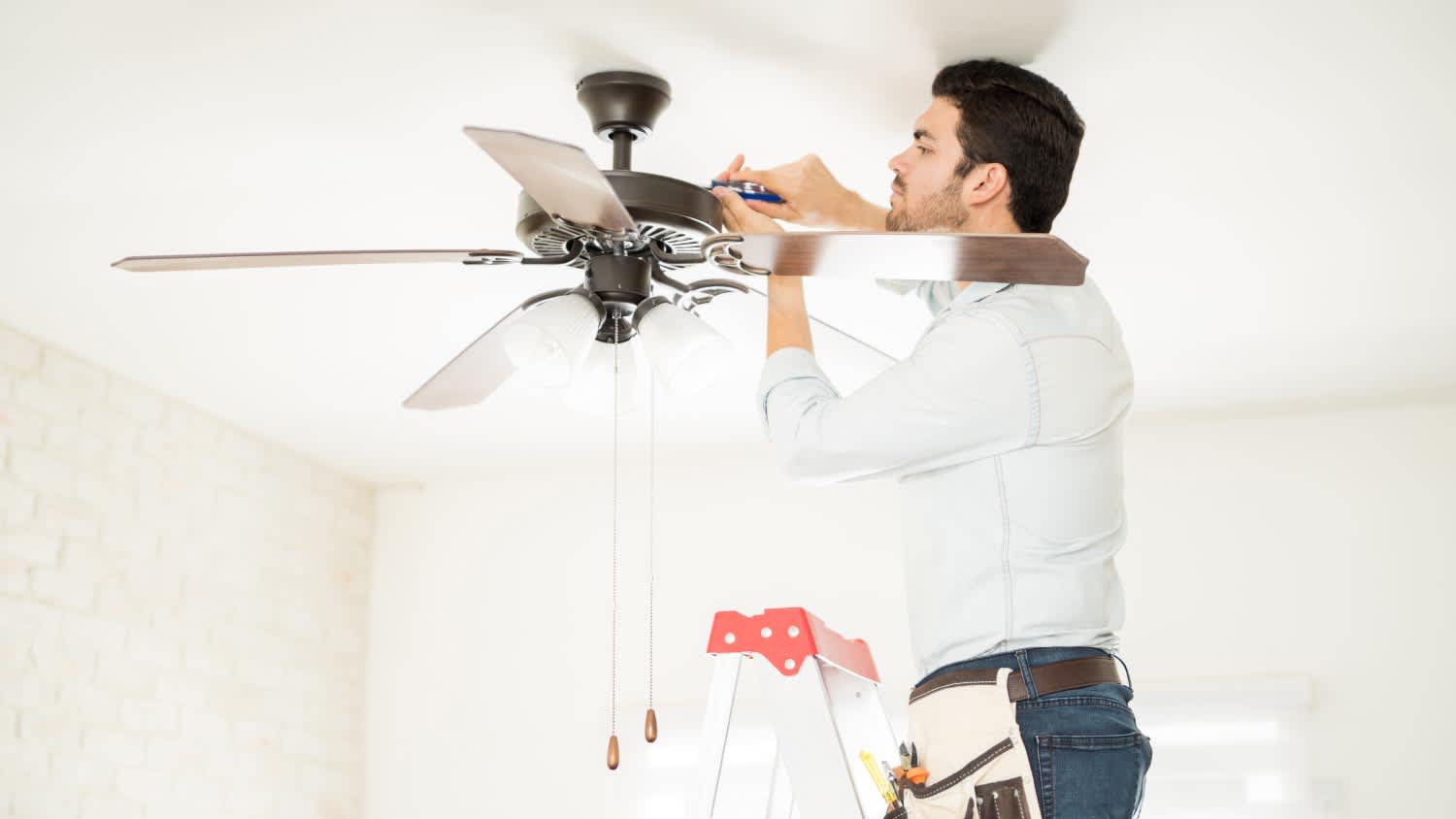
Yes, you can install a ceiling fan where a standard light fixture is, as the electrical wiring is often similar and may not need to be replaced. The most important step is to ensure the ceiling can support the fan's weight and motion. You will need to replace the existing light fixture's electrical box with a fan-rated electrical box, which is specifically designed to handle the extra weight and vibration. These boxes will be labeled as suitable for ceiling fan support and will indicate the maximum weight they can hold. Before you begin, also consider if you need an extension rod for a high ceiling or a special mount for an angled ceiling.
Fan power is measured by CFM, or cubic feet per minute. For every 1,000 feet of square footage in your attic, you need a minimum of 700 CFM. Steeper roofs may need larger fans or about 840 CFM. You can figure the size of attic fan you need by multiplying the square footage of your attic floor by 0.7. (multiply by 1.2 for a steep roof and 1.15 for a dark roof). That number is the CFM required for your fan to run efficiently.
The more surface area that a ceiling fan blade has, the more effective it will be at producing airflow. Therefore, a longer ceiling fan blade is the better option if you’re looking for more wind. However, a longer blade will consume more energy than a shorter blade.
Stainless steel or aluminum fans are long-lasting and have less air resistance. They are best for outdoor use as their durability helps them withstand unpleasant weather conditions. Their heavy weight requires a stronger motor, which leads to more noise than other blade materials.
Wooden fan blades are a classic, durable option. They are much quieter than metal fans and feature a wide range of styles and finishes to choose from. However, they can be damaged by moisture if not covered with plastic.
Plastic fan blades are lightweight, easy to clean, and versatile. There are various shapes and styles to choose from as plastic is easily molded and dyed. They will also deteriorate slower than other materials as they aren’t as susceptible to humidity and moisture.
The Pembine, WI homeowners’ guide to ceiling fan services
From average costs to expert advice, get all the answers you need to get your job done.
Discover the cost to install a ceiling fan, including labor, materials, and tips to save. Learn what impacts your price and how to budget for your project.
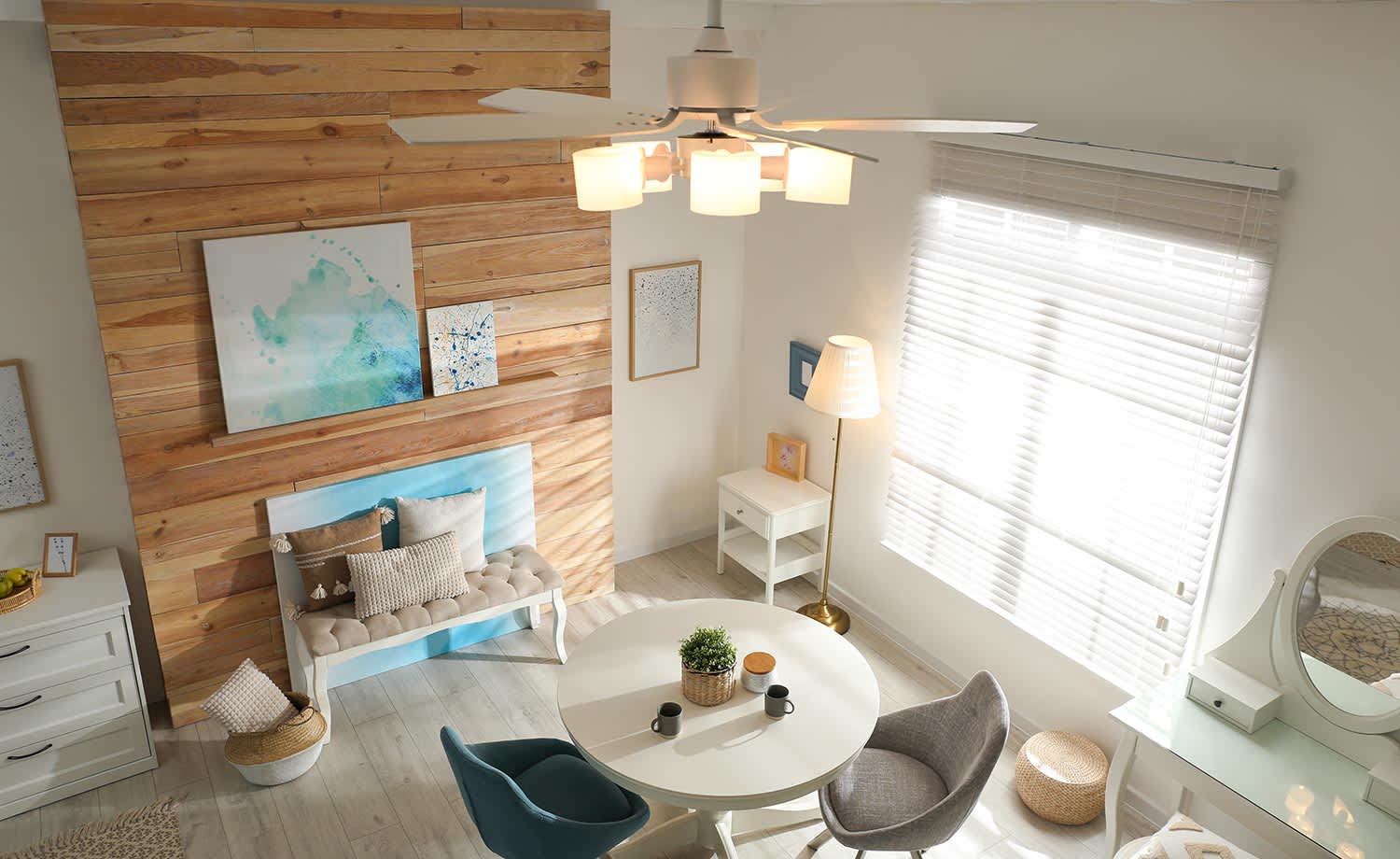
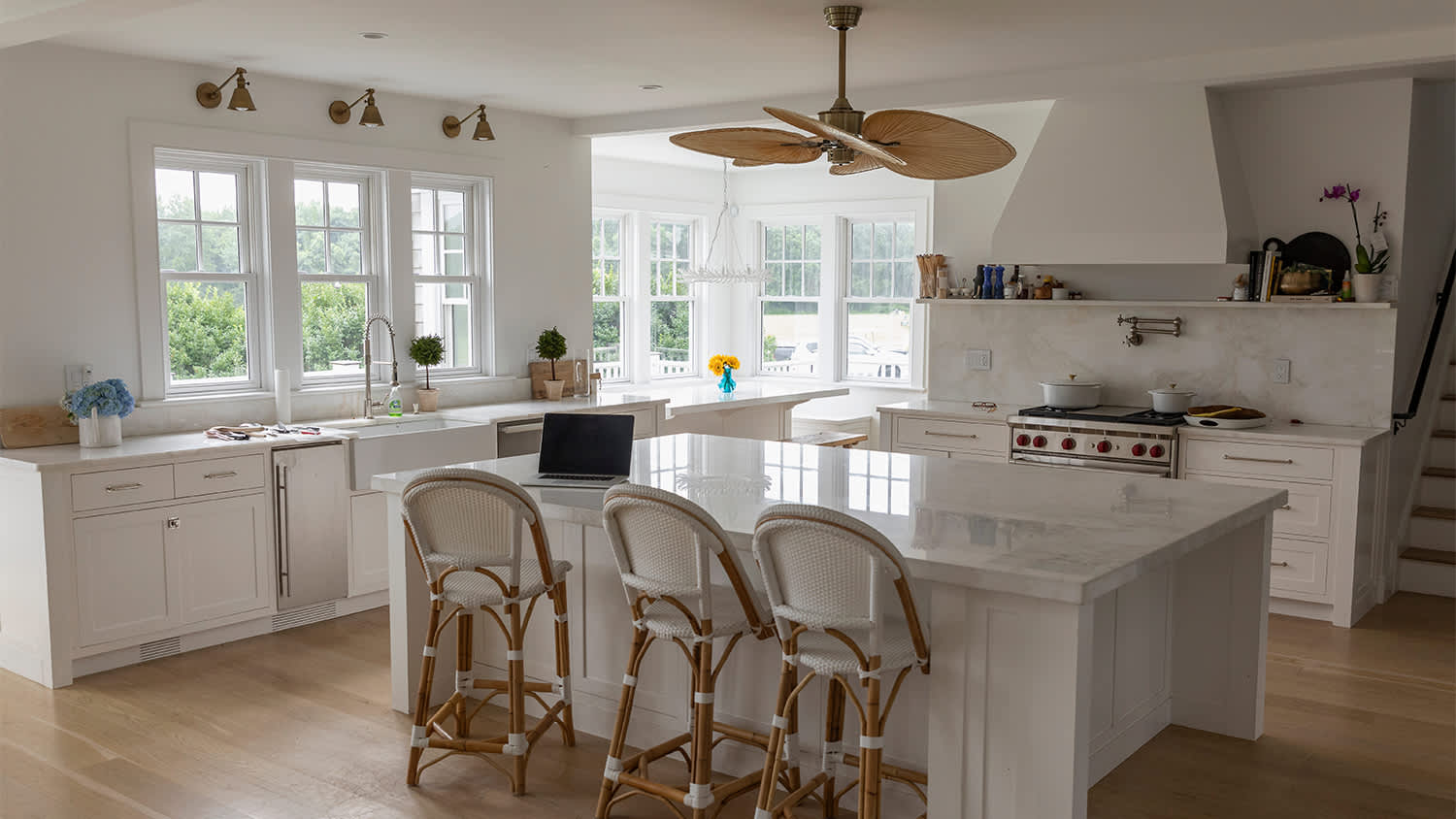
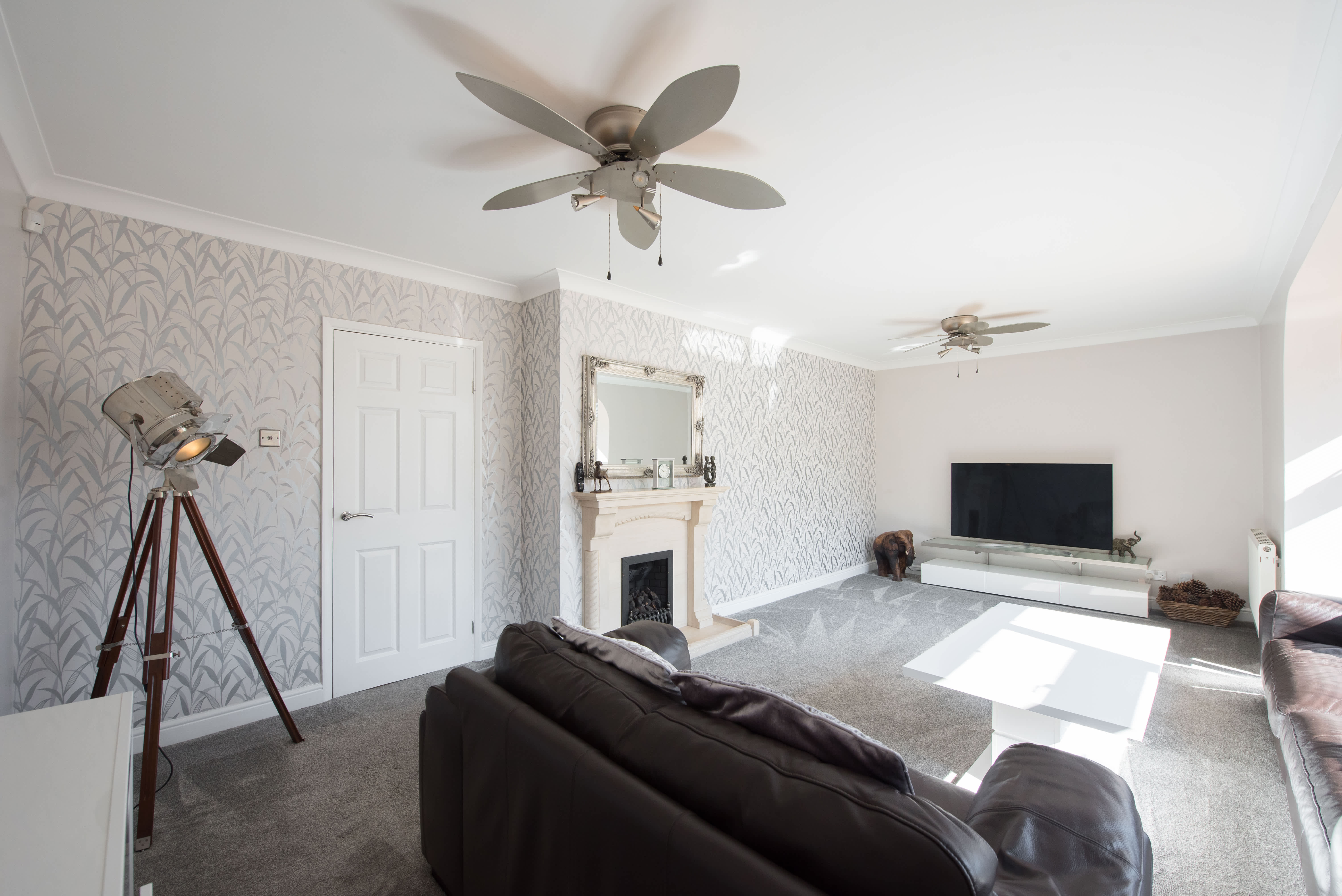
Ceiling fans cool down your home while stylishly accenting your space. With a variety of types of ceiling fan on the market to choose from, you can’t go wrong.
Although the risk is low, there are a few telltale signs that a ceiling fan will fall off your ceiling. This guide explains when to worry (and when not to).