




Top-rated paving pros.

Best paving pros near Sidney, MI

Enter your zip and get matched with up to 5 pros

Need a pro for your paving service project in Sidney, MI?

Select your specific project to find the pro for you.

Top-Rated Paving pros in Sidney - Updated Nov 2026

Avatar for Parkers Asphalt and Sealcoating LLC
Parkers Asphalt and Sealcoating LLC
5.0(
6
)
Gravel or Loose Fill Paving - Install, Spread or ScrapeAsphalt Paving - Repair or PatchAsphalt Paving - Repair or Patch - For Business

Serving Sidney, MI and surrounding areas

Approved

In business since 2019

Free estimates

Credit card accepted

"We had the cracks refilled and driveway seal coated. It looks amazing. 5 stars for Parkers! Great customer service, before, during and after the job was done. My mother said "They worked really hard. They couldn't have done a better job. " Great work guys!"
Response time2 days
Response rate90%
3 neighbors recently requested a quote

Driveway Experts LLC
5.0(
2
)
Asphalt Paving - InstallAsphalt Paving - Install- For BusinessAsphalt Paving - Repair or Patch+1 more

Serving Sidney, MI and surrounding areas

Approved

In business since 2023

Free estimates

Credit card accepted

"project was completed on time. The salesman was very upfront and honest about pricing. The crew was exceptional appeared to really care about their workmanship and the quality. We are very satisfied I would like to recommend them to others five star rating for Driveway Experts LLC thank you for all your hard work. We are very pleased."
Response time3 days
Response rate100%
10 neighbors recently requested a quote
...
Showing 1-10 of 54
Paving Services FAQs, answered by experts

Generally speaking, tiles are for indoor use, while pavers are for outdoor use. The main difference between travertine tiles and pavers is their thickness. Tiles are around 1/2 inch thick, and pavers are 1 1/4 inches to 2 inches thick.

Pavers are more rugged and can handle different weather. The extra thickness on pavers also makes them ideal for high-traffic areas.

Professional installers often include a deep layer of crushed gravel under permeable pavers to allow more runoff to soak through into the soil below. Many installations will include multiple layers of gravel, with coarser aggregate at the base and finer aggregate that sits on top of that bottom layer. Above the gravel, you’ll often find coarse sand that helps reduce paver shifting over time. Some permeable paver designs include a water collection system set into the gravel layer to route runoff to a safe area for disposal.

Asphalt and tarmac are not the same thing. Traditional tarmac, short for tarmacadam, uses tar as a binder to hold crushed stone together. Asphalt uses bitumen—a byproduct of crude oil—to bind aggregate. Though tarmac was once a go-to for roads, asphalt has become the modern standard. And these days, most surfaces referred to as “tarmac” are actually asphalt. So, while the names may overlap, the key distinction lies in the binder—tar for tarmac and bitumen for asphalt.

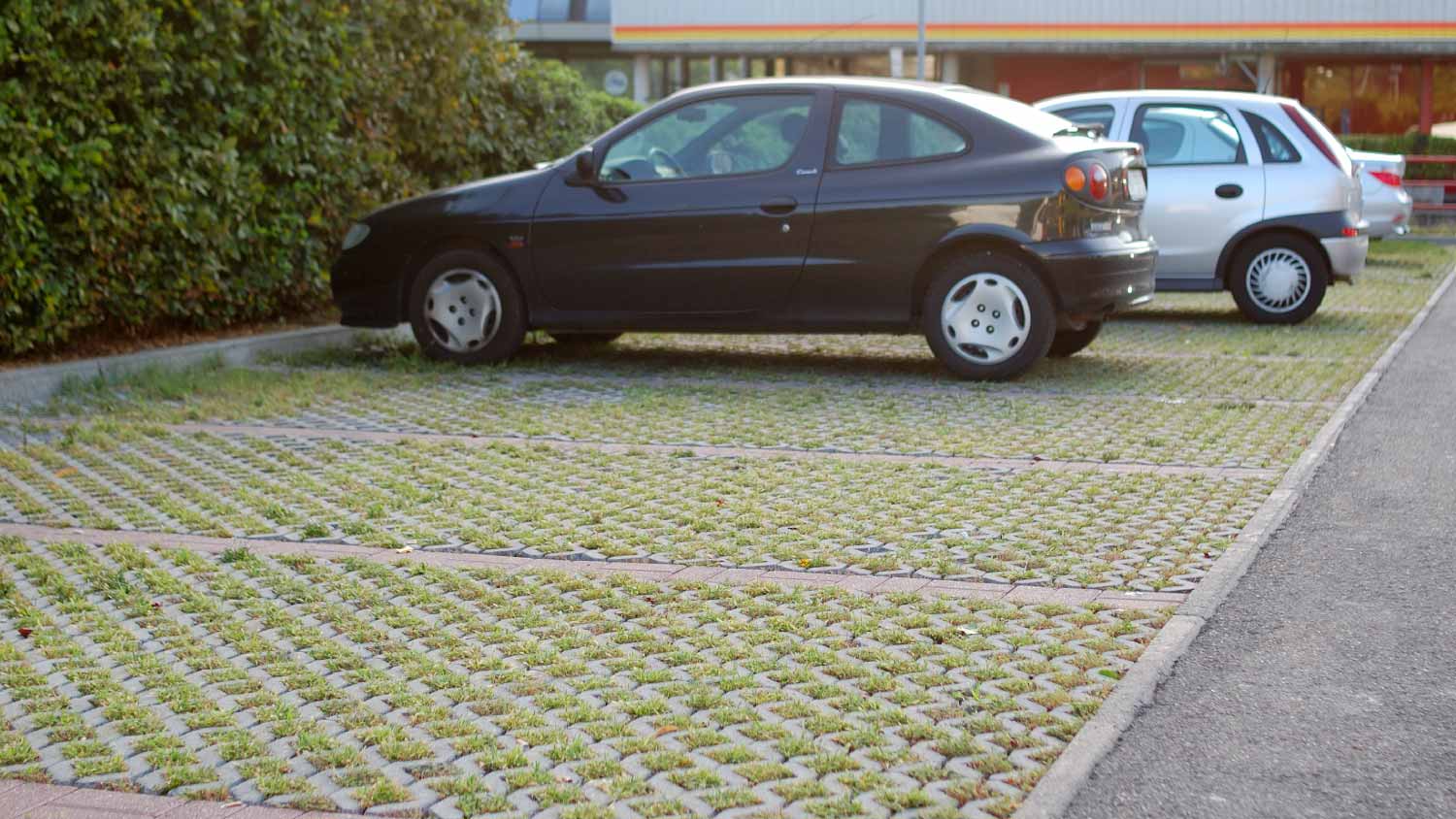
Grass pavers are suitable for heavy foot or vehicle traffic, but they’re not as resistant as concrete or asphalt pavers.

You can expect your asphalt pavement to last anywhere from 20 to 30 years, or 25 years on average. The life expectancy of your asphalt driveway depends on the climate, the amount of traffic, and how well you maintain it. While you can’t necessarily control some of these factors, you can control the amount of maintenance effort you put into your driveway. 

To prevent your asphalt from deteriorating prematurely, you should follow a good maintenance routine involving regular cleaning, reparation work, and resealing.

The Sidney, MI homeowners’ guide to paving services

From average costs to expert advice, get all the answers you need to get your job done.