
Top-rated paving pros.

Get matched with top paving pros in Elwell, MI

Enter your zip and get matched with up to 5 pros

Need a pro for your paving service project in Elwell, MI?

Select your specific project to find the pro for you.

Find Paving pros in Elwell

Avatar for Proven Property Works
Proven Property Works
New to Angi
Interlocking Pavers for Patios, Walks & Steps - Install

Serving Elwell, MI and surrounding areas

Approved

Proven Property Works is a locally owned home-improvement company based out of Greenville MI, serving Grand Rapids and surrounding West Michigan communities. We specialize in fences, decks, exterior improvements, repairs, painting, and general property maintenance. We take pride in honest communication, dependable service, fair pricing, and quality workmanship. Whether you need a small repair or a larger property upgrade, we’re committed to doing the job right and treating your home like it’s our own.

Avatar for Maleks landscaping & painting
Maleks landscaping & painting
4.8(
2
)
Asphalt Paving - Repair or PatchAsphalt Paving - Repair or Patch - For Business

Serving Elwell, MI and surrounding areas

In business since 2014

Free estimates

Offers commercial services

6 years exp. We take great pride in our experience, expertise, quality, and customer service that we provide to meet the consumer's needs. It is our mission to provide excellent workmanship and complete customer satisfaction from start to completion of a project. In order to understand the needs and expectations of our customers, we take great care to work and communicate with every customer in a professional manner. Our reputation is based on service, safety, and quality, regardless of how large or small the job.

Response time6 days
Recommended by100%of homeowners
Showing 1-10 of 34
Paving Services questions, answered by experts

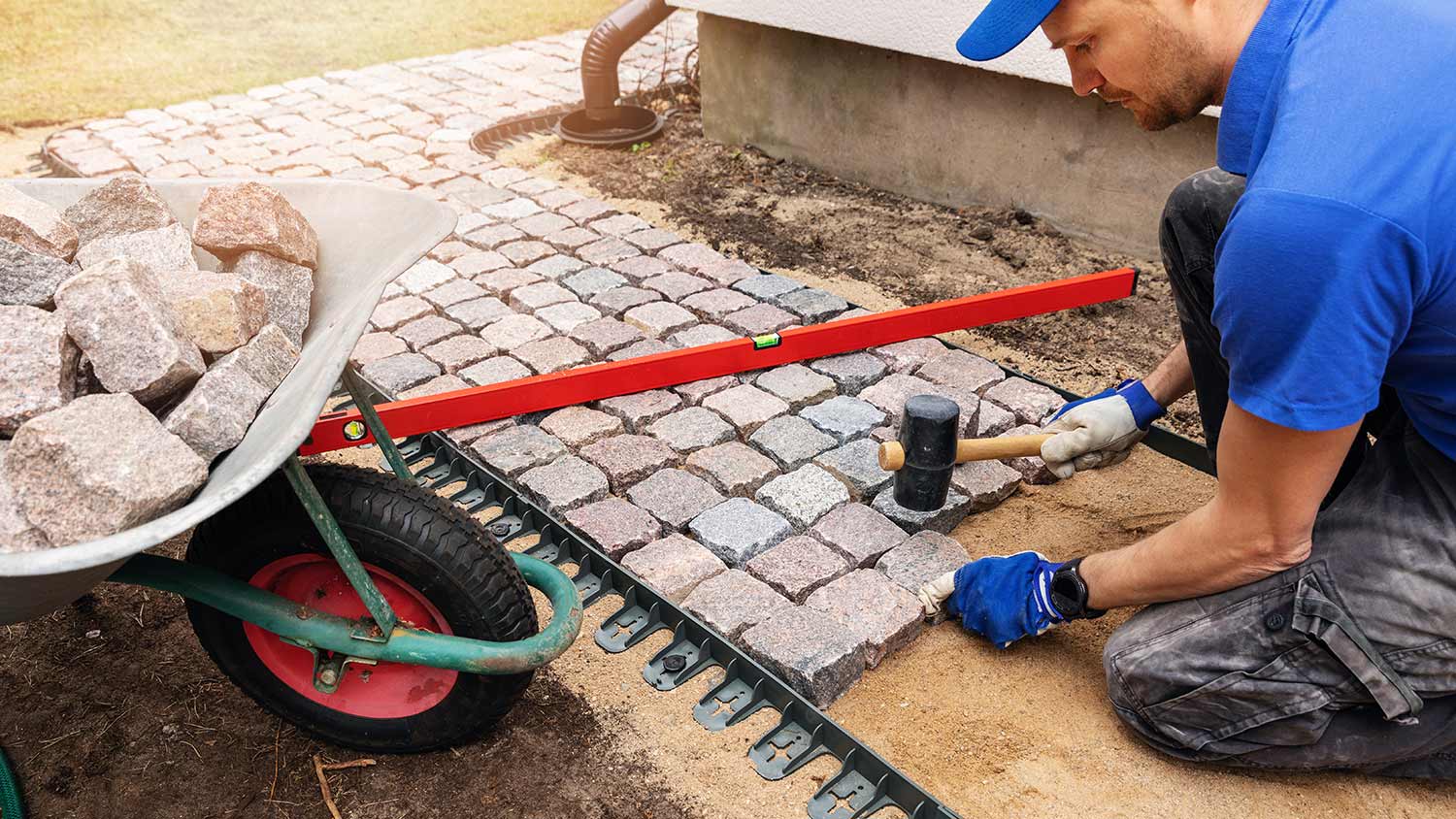
If pavers are uneven but not sunken, lift the affected bricks and check the bedding sand underneath. In many cases, simply smoothing out or adjusting the sand is enough to level them. Add or remove small amounts as needed, then press the pavers back into place and tap them with a mallet until they sit evenly with the surrounding surface.

While blacktop is a type of asphalt, the terms should not be used interchangeably, as not all asphalt qualifies as blacktop. The primary differences are in their composition, production process, and ideal applications. Blacktop contains more stone than other types of asphalt and is heated to a higher temperature during production—300°F or more—while hot-mix asphalt is heated to between 275°F and 300°F. The ratio of bitumen (a tar-like crude oil) is a key differentiator, though sources vary: some state blacktop has less bitumen, making it less durable, while others claim it has a higher ratio. Due to these differences, asphalt is generally more durable and better for high-traffic areas like highways and streets, while blacktop is more suitable for playgrounds and residential driveways. For a driveway project, it is best to consult a professional to determine the most appropriate material.

There’s no single best asphalt grade—it all comes down to where and how it’s used. Highways and heavy-traffic roads need something tough, like polymer-modified asphalt (PMA) or Stone Matrix Asphalt (SMA). Local roads and parking lots rely on the Performance Graded (PG) system, chosen based on climate. A PG 64-28 mix, for example, handles a broad temperature range while simpler, more cost-effective mixes are typically enough for residential driveways. The best grade of asphalt depends on traffic, weather, and your budget, which is why a professional’s input is always a smart move before making a decision.

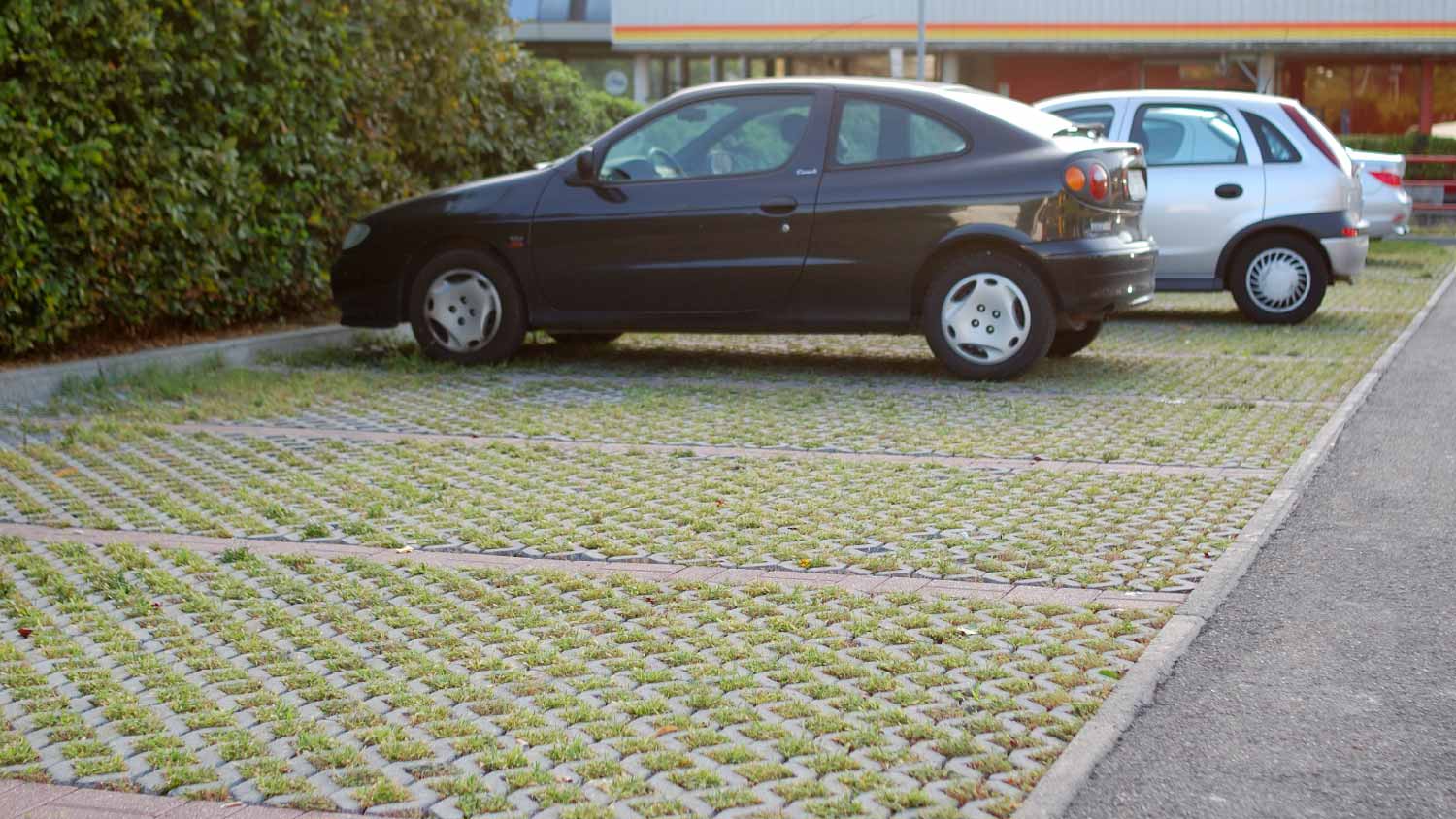
The most obvious disadvantage of permeable paving is that the cost is typically higher compared to non-permeable concrete, pavers, or asphalt methods. Also, the porous material can get clogged with dirt and debris, requiring cleaning and power washing more frequently than standard paving materials and methods. Although permeable paving is not ideal for highways, airports, and other surfaces supporting heavy traffic and machinery, it is suitable for regular residential driveways.

Three inches is a great thickness for a residential asphalt driveway that sees minimal to moderate traffic from cars, SUVs, and pickup trucks. However, a thicker driveway can better withstand the weight of a heavier vehicle, such as a trailer or a recreational vehicle. If you drive a heavy vehicle on a thin driveway, you risk cracking and damaging it.

The Elwell, MI homeowners’ guide to paving services

From average costs to expert advice, get all the answers you need to get your job done.