






Top-rated paving pros.

Best paving pros near Riverdale, MI

Enter your zip and get matched with up to 5 pros

Need a pro for your paving service project in Riverdale, MI?

Select your specific project to find the pro for you.

Top-Rated Paving pros in Riverdale - Updated Nov 2026

Earthworm Dozing and Excavating, Inc.
4.7(
35
)
Gravel or Loose Fill Paving - Install, Spread or Scrape

Serving Riverdale, MI and surrounding areas

In business since 1996

Free estimates

Emergency services offered

"They were scheduled to come on Friday, but forgot. I had to call the office to find out what happened. They rescheduled the job on Saturday. Two people showed up and they really worked hard. The job was completed in no time and they cleaned up all the branches. I would have them again."
1728153
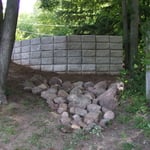
Large block retaining walls
1728154
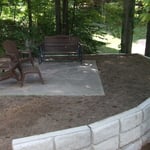
 Awaiting final landscaping
1728155

+9

Recommended by96%of homeowners
Glen Falin
5.0(
4
)
Interlocking Pavers for Patios, Walks & Steps - Install

Serving Riverdale, MI and surrounding areas

In business since 2012

Free estimates

Credit card accepted

"They were extremely responsive and prompt. I received a call within an hour of requesting service. Arrangements were made to meet and review the project very timely. I received an immediate estimate and the price was very fair. The work was handled well on the designated date and time and the work was done very well."
Response time5 hrs
Recommended by100%of homeowners
Showing 1-10 of 42
Paving Services FAQs, answered by experts

Asphalt and tarmac are not the same thing. Traditional tarmac, short for tarmacadam, uses tar as a binder to hold crushed stone together. Asphalt uses bitumen—a byproduct of crude oil—to bind aggregate. Though tarmac was once a go-to for roads, asphalt has become the modern standard. And these days, most surfaces referred to as “tarmac” are actually asphalt. So, while the names may overlap, the key distinction lies in the binder—tar for tarmac and bitumen for asphalt.

Recycled asphalt is a durable choice for a driveway, but doesn’t have the same appearance and low maintenance as standard asphalt. For long driveways in rural communities, recycled asphalt can make a great choice. Recycled asphalt is 20% to 30% percent less expensive than standard asphalt and is better for the environment. 

A driveway's lifespan varies by material. Asphalt driveways typically last 15 to 30 years, while concrete driveways last longer, between 20 and 50 years. The longevity of any driveway is affected by factors like extreme temperatures, heavy traffic, and the quality of maintenance. Regular upkeep, such as filling cracks, resealing the surface, and ensuring proper drainage, can help extend its life. For gravel driveways, regrading to fill in uneven areas every year or two is recommended.

To adhere pavers to concrete, you can use either mortar or a concrete-specific adhesive. For border pavers, a polyurethane-based adhesive is a good choice as it expands and contracts with temperature changes, keeping them firmly in place. For the non-border pavers, polymeric sand is used between the joints to prevent shifting. In most cases, it is also recommended to lay a permeable sand layer below the pavers to ensure proper stability and drainage. Before starting, always take the proper preparatory steps for a professional result.

A driveway approach is the part of a driveway where the public road meets the private driveway. This section contains several key elements, including the driveway apron, the curb cut, and the end slope. Depending on the slope of the driveway, this area may also contain the trench drain.

The Riverdale, MI homeowners’ guide to paving services

From average costs to expert advice, get all the answers you need to get your job done.