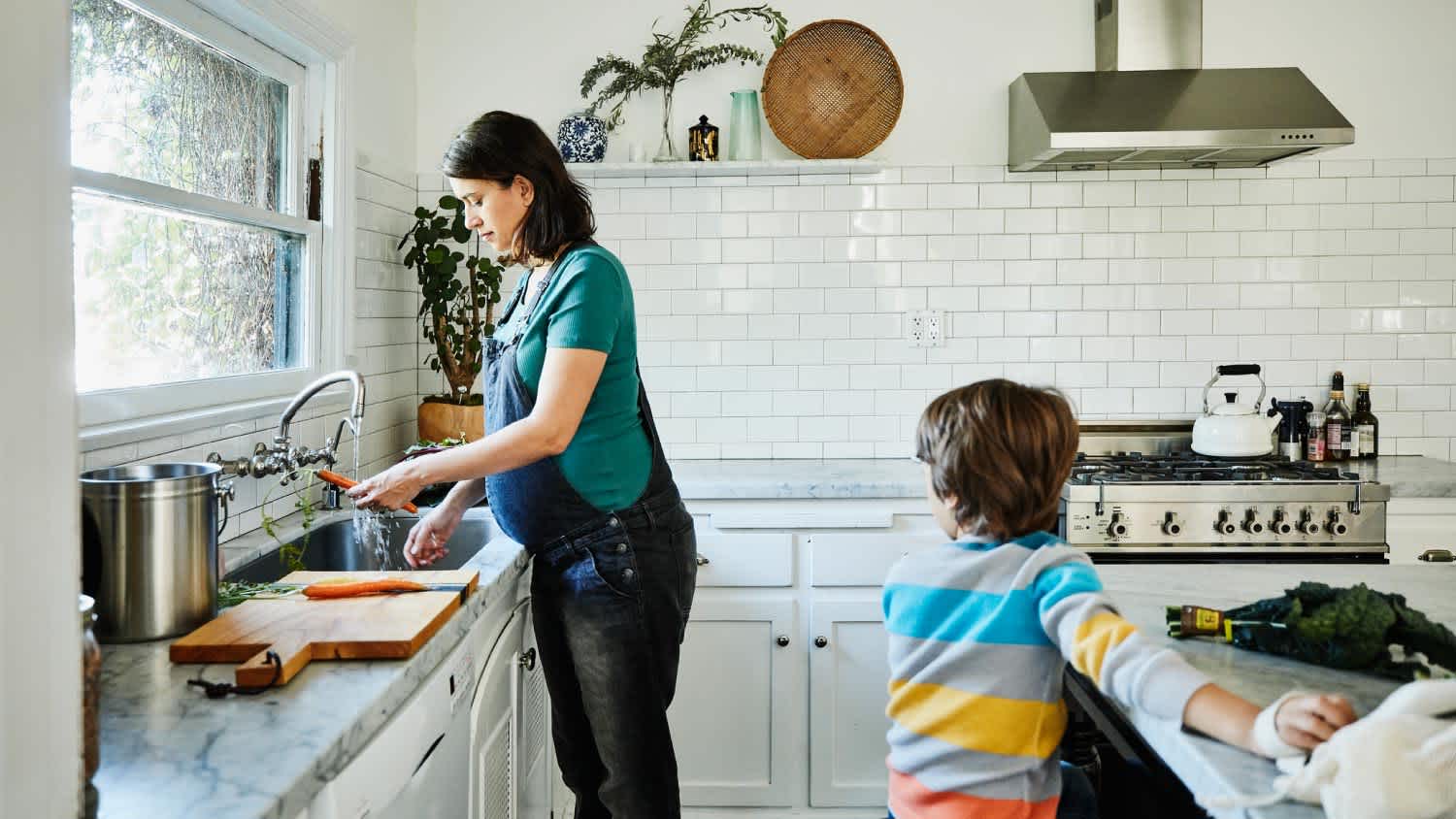








Top-rated backsplash installation pros.

Best backsplash installation pros near Saint Helen, MI

Enter your zip and get matched with up to 5 pros

Need a pro for your backsplash installation project in Saint Helen, MI?

Select your specific project to find the pro for you.

Top-Rated Backsplash installation pros in Saint Helen - Updated Nov 2026

Showing 1-10 of 22
Backsplash Installation FAQs, answered by experts

Generally speaking, it is better to cut tile wet when using a fast-moving wet saw to reduce dust and chipping. However, tile can be cut dry when using just about any cutting tool. Dry cutting will result in a bigger mess and may increase the risk of chipping or cracking, but if you’re just making small cuts, dry cutting is a safe and viable option. Cutting dry also means you can apply tile grout sooner, so it’s better for rushed projects.

You can attach tiles to a wall using thin-set mortar. You’ll also need a notched trowel to create grooves within the adhesive so it flattens completely when pressed in and securely holds the wall tiles. Finally, you’ll need grout to smooth the gaps between the tiles and, ideally, a grout sealer to prevent mold. While it sounds simple enough, proper planning and execution are crucial, so carefully review the steps in this guide or hire a pro tile installer to complete this project.

Mortar and thinset both serve the same purpose—tile adhesion—but have different compositions and use-cases. Thinset is heatproof and presents a wide range of possibilities due to the added polymers. Mortar is typically used for bonding stones and brick. Thinset is rarely used outside, while mortar is rarely used inside.

Larger tiles can be difficult to install because they’re heavier and bulkier than their smaller counterparts, which makes them harder to haul around and put in place. Plus, if you don’t install the tiles correctly, they could crack or break. For these reasons, it’s best to hire a professional for large-format tile installation.

When choosing between porcelain and ceramic tile, the best option depends on your specific needs, budget, and project application. Porcelain tile is generally more durable, denser, and harder than ceramic, making it a good choice for busy, high-traffic areas. It also offers superior moisture resistance, making it ideal for moisture-retaining spaces. However, porcelain is typically more expensive, and its hardness can make it brittle, potentially causing it to crack if a heavy object is dropped on it. In contrast, ceramic tile is a more budget-friendly option with lower material and installation costs. It is softer and easier to work with, making it a great choice for DIY projects. While not as durable as porcelain, ceramic is still a quality material suitable for many home applications, particularly small, decorative projects.

The Saint Helen, MI homeowners’ guide to backsplash installation services

From average costs to expert advice, get all the answers you need to get your job done.