



Top-rated radon detection and reduction specialists.

Get matched with top radon detection and reduction specialists in Presque Isle, MI

Enter your zip and get matched with up to 5 pros

Need a pro for your radon detection and reduction project in Presque Isle, MI?

Select your specific project to find the pro for you.

Find Radon detection and reduction specialists in Presque Isle

MCL Radon Gas Tech
4.8(
14
)

Serving Presque Isle, MI and surrounding areas

Approved

In business since 2007

Free estimates

Customers say: Quality work

"Mike, of MCL, made an appointment to review the project and showed up on time. He is very knowledgeable and clearly went over all technicalities needed to take care of our radon gas problem. The next day he sent a quote. The job was finished on time at the quoted price, work was very professional and neat. I would definitely recommend MCL to complete mechanical work of this nature."
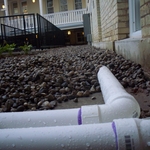
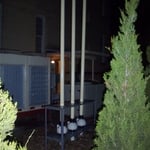
Safely Routed Outdoors
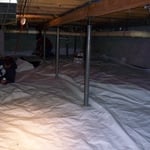
Crawl Space Encapsulation
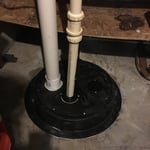
Sump Pump Despressurization System
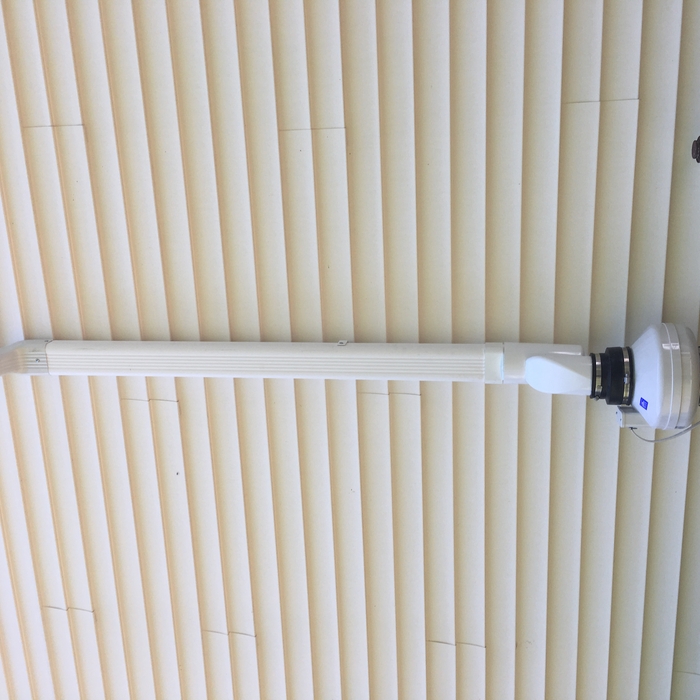
We offer you our Deluxe System!

+4

Response time2 days
3 neighbors recently requested a quote
Recommended by100%of homeowners

Radon Detection and Reduction questions, answered by experts

The fan that pulls the radon out of the air needs to run continuously, so you may see an increase in your electric bill once you install the mitigation system. Additionally, you may see an increase in your heating or cooling bills, as the fan can cause some loss of hot or cool air.

No level of radon is technically safe, but since it is naturally present everywhere, it is impossible to avoid entirely. The average radon level in homes across the United States is 1.3 picocuries per liter (pCi/L). The Environmental Protection Agency (EPA) recommends taking action to reduce radon levels if your home's test results are between 2 and 4 pCi/L or higher.

No, radon mitigation systems do not decrease home value or make a home harder to sell. In areas where homes experience similar radon exposure risks, a radon mitigation system is viewed as an improvement. Potential homebuyers often opt to buy a home with a radon mitigation system already installed to reduce the risk of cancer for their families.

The lifespan of a radon mitigation system depends on the type of system and its maintenance. With proper care, a system can last for many decades. Passive systems tend to last longer as they have fewer components that require replacement. Active systems, which have more moving parts like fans, generally have a shorter lifespan. For instance, water filtration devices and active pressurization systems require more frequent maintenance. While the system as a whole is durable, the radon fan in an active system typically has a lifespan of 5 to 10 years and will need to be replaced. As long as the fan is working, the mitigation system should function correctly.

No, air purifiers are not an effective way to reduce or remove radon. Radon is a radioactive, inert gas that cannot be filtered by standard air purifiers, which are designed to capture particulates like dust and mold. While an air purifier can improve indoor air quality by removing other pollutants, it should not be relied upon for radon. The only effective solution for high radon levels is a dedicated radon mitigation system.

The Presque Isle, MI homeowners’ guide to radon detection and reduction services

From average costs to expert advice, get all the answers you need to get your job done.