

Top-rated aquarium service pros.

Get matched with top aquarium service pros in Port Huron, MI

Enter your zip and get matched with up to 5 pros

Need a pro for your aquarium service project in Port Huron, MI?

Select your specific project to find the pro for you.

TRUSTED BY PORT HURON, MI HOMEOWNERS

  • Average homeowner rating star icon4.4
    Average homeowner rating
  • Verified reviews icon139
    Verified aquarium services reviews

Find Aquarium service pros in Port Huron

Avatar for Schlicht Excavating
Schlicht Excavating
New to Angi
Water Feature - Install a Pond

Serving Port Huron, MI and surrounding areas

Approved

In business since 2012

Free estimates

We are dedicated to providing our clients with the very best in helping them create their dream yard with a quality fishing/swimming pond. We specialize in residential and commercial services and take pride in the attention to detail put into each pond we build. We're known for our quality work and the integrity of our business. We look forward to building long-term relationships with our clients, and guarantee your satisfaction. We are the #1 pond digging company in Michigan. We also do lake dredging. We have been in business for 12 years.

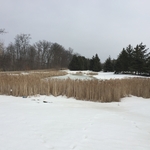
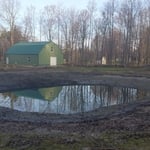
New Pond
Pond Clean Out
After the pond clean out
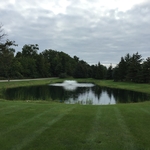
Clio, MI Pond
Response time2 days
Avatar for JC&C LANDSCAPE LLC
JC&C LANDSCAPE LLC
5.0(
6
)
Water Feature - Install a Pond

Serving Port Huron, MI and surrounding areas

In business since 2024

Free estimates

Credit card accepted

"They replaced the liner and stones in our large fountain in the driveway. They worked very hard all day and it looks beautiful! They also pruned all of the bushes around the fountain. They were all helpful and polite and just wonderful to work with. We will be using them again in the future for landscaping needs."
Additional Photos
Additional Photos
Additional Photos
Recommended by100%of homeowners
Aquarium Services questions, answered by experts

The average cost to pump a septic tank is around $550, though prices can range from $250 to over $1,250. The final cost depends on several factors, including the size of your tank, how full it is, and your geographic location. For example, pumping a small tank might cost between $290 and $530, while a larger 1,750-gallon tank could cost $600 or more. Prices also vary by region; for instance, costs in Minneapolis range from $175 to $275, while in Portland, they can be between $440 and $750. Regular pumping is essential to prevent waste buildup, which can lead to backups and damage to your drain field.

A properly installed and maintained septic drain field (also known as a leach field) can last up to 50 years, though the average is around 20 years. However, factors like poor soil conditions, heavy usage, or improper maintenance can significantly shorten its lifespan to 15-20 years.

To extend the life of your drain field:

  • Schedule Regular Inspections: Have the entire septic system, including the drain field, inspected every two to five years to catch problems early.

  • Protect the Area: Avoid driving heavy vehicles or placing heavy structures over the drain field. Plant only grass or other lightweight vegetation with shallow roots over the area.

  • Maintain the Septic Tank: Proper care of the septic tank, including regular pumping and avoiding harmful chemicals, prevents strain on the drain field.

Be aware of signs of failure, such as strange odors, standing water, or unusually lush grass over the field, which indicate your system may need professional attention.

A septic system's lifespan typically ranges from 15 to 40 years, with a common average of 20 to 30 years. The longevity heavily depends on the tank's material, maintenance diligence, and usage habits. With proper care, lifespans can reach the upper end of this range.

Lifespan by Tank Material:

  • Concrete: 20 to 40 years

  • Plastic or Fiberglass: 30 to 40 years

  • Steel: 15 to 20 years

To maximize your system's lifespan, follow these maintenance best practices:

  • Regular Pumping and Inspections: Have the tank pumped every three to five years and schedule professional inspections regularly.

  • Mindful Usage: Only flush human waste and toilet paper. Avoid putting items like cat litter, paper towels, cigarette butts, fats, grease, oils, or coffee grounds down your drains.

  • Avoid Chemicals: Do not pour harsh chemicals into the system.

  • Water Conservation: Reduce the amount of wastewater your system has to process.

  • Protect the Drain Field: Avoid driving or building heavy structures over the drain field area.

A septic system can fail for various reasons, and most commonly, excessive water use or sudden surges in wastewater can overwhelm the system's capacity. Neglecting regular maintenance, like tank pumping and inspections, can also lead to clogs, leaks, and eventual breakdowns. Other issues that lead to failure include age-related wear and tear, root infiltration, improper disposal of non-biodegradable materials or chemicals into the system, unsuitable soil conditions, physical damage, and even environmental factors like flooding or soil erosion.

Toilet paper is the only material that you should flush down toilets. Other items like wipes, paper towels, feminine hygiene products, dental floss, and medications should be disposed of in the trash. Flushing these items can lead to plumbing issues and damage to sewage systems. Grease and cooking oils should also be avoided as they can solidify in pipes, causing blockages. Proper disposal helps prevent clogs and ensures the efficient operation of wastewater treatment systems while protecting the environment.

The Port Huron, MI homeowners’ guide to aquarium services

From average costs to expert advice, get all the answers you need to get your job done.