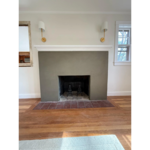
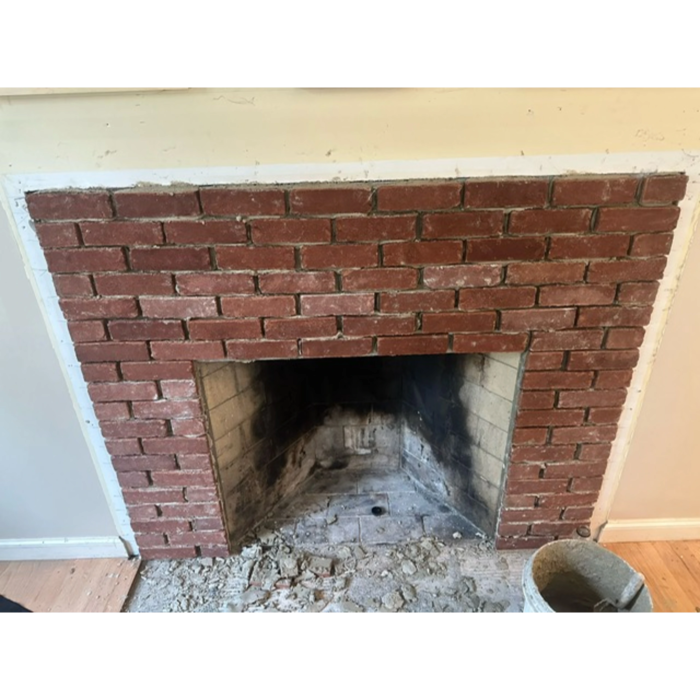
"Workman called beforehand and arrived on time. Took fireplace apart, thoroughly cleaned and inspected it. Explained what was wrong and what he did to fix it.
Chimney Rescue Squad is committed to excellence in every aspect of our business. We uphold a standard of integrity bound by fairness, honesty, and personal responsibility. Our distinction is the quality of service we bring to our customers. Accurate knowledge of our trade combined with ability is what makes us true professionals. Above all, we are watchful of our customers' interests, and make their concerns the basis of our business.
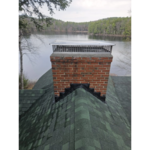
"The team did a fantastic job repairing and cleaning our chimney. They explained the entire process and were able to do repairs the same day . Highly recommend them !"
Prime hood cleaning is number one for customer satisfaction schedule flexibility Every cleaning service is inspected, cleaned, and certified by insured licensed technicians.
✨ Before & After Cleaning Company ✨\n\nWe’re here to turn messes into fresh starts! 🧼✨ We provide detailed, reliable cleaning services with a focus on the little things that make a BIG difference. From deep cleans to everyday messes, we’re not afraid to get our hands dirty and leave your space looking and feeling brand new!\n\n📍 Serving the Toledo area\n🧽 Deep Cleaning • Move-Outs • Residential Cleaning\n✨ Your mess is our mission!
"The response time from the first inquiry was excellent. The technician was very polite, knowledgeable, professional , friendly and knew exactly what I needed and wanted done on my gas fireplace. He worked in a timely fashion, and was very aware of keeping all dirt , etc., onto a covered area so my carpet stayed cleaned. I would definitely recommend this company to anyone that needs repairs, parts, a new fireplace, etc. to their fireplace. I have already scheduled my yearly inspection for 2024. Very pleased and thankful for Dennis Hearth & Home. Great job!"
"They did a very nice job. My fireplace looked like new. I had some trouble with the pilot light and now it works really well. They were very prompt. I have had them out since then to replace a chimney cap. I will use them again."
Chimney crowns should be at least 2 inches thick at their thinnest point. If the crown is thinner than 2 inches, it’s more likely to be damaged and allow water to seep into the chimney.
You don’t necessarily need a chimney for a pellet stove. However, all pellet stoves need some type of venting system to get rid of gasses and other potentially harmful byproducts of combustion. If you don’t have a chimney, an alternative option is to vent your pellet stove through an exterior wall of your home.
Some people don’t like the look of gas fireplaces since they don’t offer the classic charm or appeal of a wood-burning fire. Plus, gas fireplace installation is more expensive than other types of fireplace installations due to the added complexity of working with gas lines. There’s also a chance that gas could get into your home, which is a major health and safety risk.
Although no heating appliance can be entirely risk-free, a fireplace insert is considered a safer alternative to a traditional open fireplace, thanks to their enclosed design. With a sealed combustion chamber, a fireplace insert effectively reduces the risk of sparks and embers escaping into the room, minimizing the chance of an accidental fire.
Additionally, an insert comes equipped with various safety features, such as tempered glass doors that create a barrier between the flames and the surrounding space. This enhances both safety and energy efficiency by preventing heat loss. As an added bonus, many inserts are designed to meet strict safety standards that ensure proper ventilation and combustion.
Wood stove fans are designed to operate quietly, emitting only a subtle hum from their motor. This low noise level ensures minimal disruption in your living space, allowing you to enjoy the warmth without distraction. The fan blades, which are engineered for efficient air circulation, contribute to the overall quiet operation. This makes wood stove fans a practical choice for maintaining a peaceful environment while effectively distributing heat throughout your room or home.
The Onsted, MI homeowners’ guide to fireplace services
From average costs to expert advice, get all the answers you need to get your job done.
Bioethanol fireplaces are a chimney- and vent-free way to enjoy a real-flame fire in your home. Keep reading to find out how much ethanol fireplaces cost.
The average fireplace installation cost is $2,438, but prices vary depending on the type and size of the fireplace. Calculate your costs with our guide.
Did you know fireplaces are a profitable home feature? From cozy indoor retreats to trendy outdoor designs, these fireplace ideas are sure to inspire you.
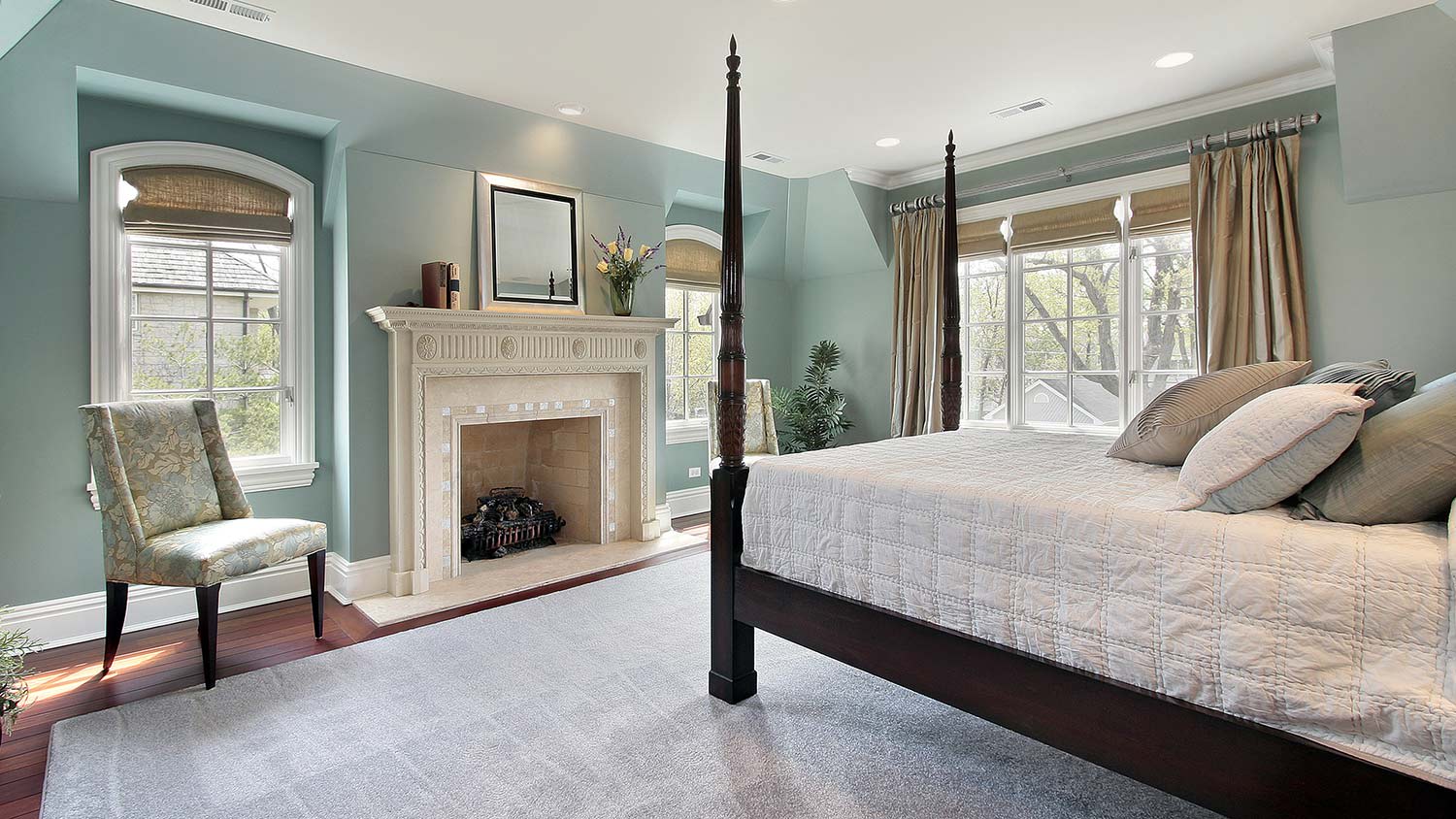
With a few easy decorating tips, you can make your bedroom fireplace the stylish focal point of your room. Up the cozy aesthetic of your bedroom with these 12 ideas.