






Top-rated generator install pros.

Get matched with top generator install pros in Oak Park, MI

Enter your zip and get matched with up to 5 pros

Need a pro for your generator install project in Oak Park, MI?

Select your specific project to find the pro for you.

TRUSTED BY OAK PARK, MI HOMEOWNERS

  • Average homeowner rating star icon4.6
    Average homeowner rating
  • Verified reviews icon15
    Verified generator installs reviews

Find Generator install pros in Oak Park

Avatar for Electrician Near Me LLC
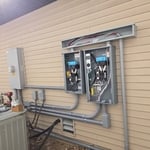
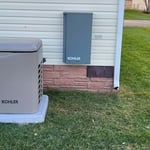
Electrician Near Me LLC
5.0(
15
)
Generator - Install - For Business

Serving Oak Park, MI and surrounding areas

Approved

Free estimates

Emergency services offered

Warranties offered

"Andrew did an excellent job replacing my electrical panel. He was professional, knowledgeable, and took the time to explain everything clearly. The work was completed efficiently, and everything looks great. I'm very satisfied with the quality of the installation and would definitely recommend Andrew to anyone needing electrical work."
Service panels
Wholehouse Generator
New Panel
New construction
5 neighbors recently requested a quote
Avatar for Jag-Wire Electric
Jag-Wire Electric
4.9(
33
)
Fixed Generator - InstallGenerator - Install - For Business

Serving Oak Park, MI and surrounding areas

Approved

Super Service Award Winner

In business since 2023

Free estimates

Emergency services offered

"I highly recommend Jag Wire. From the very beginning, Casmere was great to work with and accommodated my schedule. He was professional, punctual, and did an excellent job installing six 4" LED wafer lights in my kitchen. Thank you again, Casmere!"
Port Huron Barn
Port Huron Barn
Port Huron Barn
Port Huron Barn
Port Huron Barn

+4

Response time10 hrs
1 neighbors recently requested a quote
Avatar for Vintage Electric Service
Vintage Electric Service
5.0(
1
)
Portable Generator - Repair

Serving Oak Park, MI and surrounding areas

Approved

In business since 2023

Free estimates

Credit card accepted

We pride the company on reliability, excellent communication, integrity, and quality work. We strongly believe in giving our absolute best in all our projects no matter how big or small. We look forward to earning your business! Our team is bilingual and can assist you fluently in both English and Arabic.

Response time50 mins
Recommended by100%of homeowners

...
Showing 1-10 of 75
Generator Install questions, answered by experts

Potential benefits of using a natural gas generator include reducing your carbon footprint, lower likelihood of carbon monoxide exposure, budget-friendly operating costs, and low-maintenance, continuous fuel supply. Some possible drawbacks, though, include higher initial installation costs, dependency on a natural gas supply, and installation complexity. Keep in mind that pros and cons will vary based on the type and brand of natural gas generator. 

Generators run on a variety of fuel types, ranging from natural gas to solar power. Keep in mind that fuel costs varying by type:

  • Natural gas: $2,000–$21,000 per year 

  • Liquid propane: $2,000–$21,000 per year

  • Diesel: $3,000–$20,000 per year

  • Gasoline: $500–$3,000 per year

  • Solar generator: $2,000–$25,000 per unit

  • Battery backup: $10,000–$25,000 per unit

Generally, you’ll want to keep between 60 and 70 feet between the generator and the transfer switch. There are a few reasons for this, including:

  • The distance reduces the noise coming from the generator into your home.

  • It increases efficiency because you won’t have a voltage drop from this short of a distance.

  • Prevents carbon monoxide poisoning: keep at least 15 feet between your generator and an open window. 

To reduce AC startup power for a whole-house generator, install a soft start kit or hard start capacitor, which lowers the initial surge by gradually ramping up the compressor. Using a smart load manager can also help by staggering startup loads, preventing a system overload and future costly repairs.

To determine the right size generator for your house, you should calculate the total wattage of the appliances and devices you want to power during an outage. List all essential items, note their start-up wattages, and add them together.

Here are some typical wattage requirements for common appliances:

  • Refrigerator: 600 watts

  • Large dehumidifier: 700 watts

  • Large window air conditioner: 1,400 watts

  • Water heater: 3,000 to 4,500 watts

  • Electric furnace: 5,000 to 25,000 watts

A 7,500-watt generator might be sufficient for essentials like a refrigerator, freezer, well pump, and lighting circuits. However, for high-demand items like a water heater or furnace, a whole-home generator is a better choice. A portable generator may be enough if you only need to power a few critical items.

While home square footage can offer a rough estimate, it is not always a reliable indicator. For reference, here are some typical generator sizes based on square footage:

  • 1,000 sq ft: 6–9 kW

  • 1,500 sq ft: 7–10 kW

  • 2,000 sq ft: 10–14 kW

  • 2,500 sq ft: 12–16 kW

  • 3,000 sq ft: 16–20 kW+

For the most accurate sizing, consult a professional who can calculate your home's peak and average power consumption and recommend the optimal generator.

The Oak Park, MI homeowners’ guide to generator installs

From average costs to expert advice, get all the answers you need to get your job done.