

•
Find out the average radon testing cost in Baltimore, MD. Learn what you can expect to pay for local indoor air quality testing and keep your home safe.
Biohazard remediation costs depend on your project and location. Check with a local pro for your specific job.

Professional radon testing in Washington, D.C., costs $262 on average for most local homeowners scheduling this service.
The specific type of test you choose and the total square footage of your home determine final prices.
Common additional expenses include digital monitors for ongoing readings, which typically range from $110 to $275 locally.
Hiring a Washington, D.C., radon testing pro to do this project keeps you and your household safe from radon.
This article was created using automation technology and produced in accordance with our AI policy, which includes editorial quality standards.
Radon testing in Washington, D.C., runs $262 on average, and ranges from $138 to $387. Your total price for radon testing depends on the size of your home and whether you choose a short-term or long-term test. Before hiring a professional to check your indoor air quality, understanding these costs helps you budget for this essential safety project.
When hiring radon remediation professionals in Washington, D.C., several variables dictate your final bill. Understanding these key elements helps you budget effectively for this essential safety service.
The specific testing method you select dictates the overall price. Different kits and monitors require varying levels of technology and analysis to detect gas levels accurately. In Washington, D.C., homeowners choose digital monitors to track indoor air quality during the muggy, humid summers when homes are tightly sealed. DIY digital monitors run from $110 to $275, while hiring a certified professional ranges from $165 to $765. If you are budgeting for your overall home inspection costs, combining these services streamlines the process.
| Test Type | Description | Local Average Cost | National Average Cost |
|---|---|---|---|
| DIY short-term | Charcoal or liquid scintillation kits are used for 2–7 days | $15–$45 | $10–$40 |
| DIY long-term | Alpha track or electret kits used for 90+ days | $30–$70 | $25–$60 |
| DIY digital | Electronic monitors for ongoing readings | $110–$275 | $100–$250 |
| Professional | A certified pro uses an active or passive device | $165–$765 | $150–$700 |
The square footage and layout of your property play a major role in determining your total expenses. Larger properties demand more test kits and additional time to evaluate multiple zones. Testing a sprawling multi-level home in Washington, D.C., requires placing detectors in basements and upper floors to ensure accurate readings during snowy winter months. Testing a small, 1,200-square-foot home costs between $165 and $330, whereas a large home over 4,000 square feet runs from $545 to $765.
| Home Size/Type | Description | Local Average Cost | National Average Cost |
|---|---|---|---|
| Small home (1,200 sq. ft.) | Single kit, single level | $165–$330 | $150–$300 |
| Medium home (2,500 sq. ft.) | Two kits or multi-level testing | $330–$545 | $300–$500 |
| Large home (4,000+ sq. ft.) | Multiple kits, multi-unit or multi-level | $545–$765 | $500–$700 |
How often you conduct these evaluations impacts your long-term maintenance budget. Regular testing ensures your living space remains safe from dangerous gas buildup over time. Given the extreme humidity and heavy precipitation in Washington, D.C., testing every few years confirms that changing soil conditions have not increased gas entry. Most homeowners spend an average of $262 per testing session, with standard overall costs falling between $138 and $387. If previous tests led to a system installation, you must retest to verify the equipment works, much like scheduling a routine HVAC inspection.
The quality and reusability of the testing equipment shape the upfront price. Advanced electronic devices cost more initially but offer continuous monitoring without repeated lab fees. Residents in Washington, D.C., invest in reusable monitors to keep a close eye on air quality during severe snowstorms when ventilation is poor. Disposable charcoal canisters cost between $15 and $35, while long-term alpha track detectors range from $30 to $70. Upgrading your testing materials is a smart investment, similar to evaluating your indoor air quality testing price for other pollutants.
| Material/Kit Type | Description | Local Average Cost | National Average Cost |
|---|---|---|---|
| Charcoal canister | Disposable, short-term DIY kit | $15–$35 | $10–$30 |
| Alpha track detector | Long-term DIY kit, measures over months | $30–$70 | $25–$60 |
| Digital monitor | Electronic, reusable, needs calibration | $110–$275 | $100–$250 |
| Pro-grade equipment | Used by certified testers, higher accuracy | Included in service | Included in service |
The expertise and time required by certified testers make up a significant portion of the total bill. Professionals handle the setup, sample collection, and detailed reporting to guarantee precise results. Hiring an expert in Washington, D.C., ensures your test accounts for the area's subtropical climate factors that skew DIY readings. The total project cost for professional testing reaches a maximum of $805, depending on the complexity of the job. If the results show high levels, you need to factor in the radon mitigation cost to resolve the issue.
Gratuity is not a standard expectation for environmental testing services. Testers charge a flat rate that fully covers their time and expertise. If a technician in Washington, D.C., braves severe flooding to reach your property, a small tip shows appreciation for their exceptional effort.
Choosing between a store-bought kit and a certified expert changes your financial commitment and the reliability of the results. Professional services provide guaranteed accuracy and official documentation required for real estate transactions. In Washington, D.C., hiring a pro is the best way to ensure your readings are perfectly calibrated despite the region's extreme humidity. DIY methods cost between $15 and $110, while hiring a professional ranges from $165 to $765.
| Method | Local Total Cost Range | National Total Cost Range |
|---|---|---|
| DIY | $15–$110 | $10–$100 |
| Professional | $165–$765 | $150–$700 |
Hiring a certified expert in Washington, D.C., ensures your home is safe from dangerous gas buildup. Most local professionals charge a flat rate of $165 to $765 per project, which covers the setup, advanced monitoring equipment, and a detailed laboratory report. Some specialists instead bill $30 to $75 per hour for their time and expertise. When budgeting for your final bill, remember to account for the city's 6% sales tax on related services and materials.
Hiring a radon testing pro in Washington, D.C. protects your family from hidden health hazards while saving you the stress of managing testing protocols.
Professionals use calibrated, continuous radon monitors that provide highly accurate readings.
Experts identify the exact locations in your home where testing yields the most reliable data.
A certified inspector interprets complex lab results and outlines clear mitigation steps if levels are high.
Local Washington, D.C. professionals understand the specific regional soil conditions affecting radon entry.
Home is the most important place on earth, which is why Angi has helped more than 150 million homeowners transform their houses into homes they adore. To help homeowners with their next project, Angi provides readers with the most accurate cost data and upholds strict editorial standards. We’ve surveyed thousands of real Angi customers about their project costs to develop the pricing data you see, so you can make the best decisions for you and your home. We pair this data with research from reputable sources, including the U.S. Bureau of Labor Statistics, academic journals, market studies, and interviews with industry experts—all to ensure our prices reflect real-world projects.
Want to help us improve our cost data? Send us a recent project quote to [email protected]. Quotes and personal information will not be shared publicly.
My garbage disposal went out. I called multiple plumbers. Rema, the owner, responded immediately on a Saturday. He serviced my garbage disposal the next day, a Sunday, and did not charge an emergency fee. Rema arrived on time, very professional, and friendly, I would highly recommend Rema of...
 Remedy Plumbing and Drain Cleaning
We had a toilet leak on the main floor of our house which caused extensive damage to our wood floors and basement below. Patrick and his team came out immediately, assessed the damage and walked us through the whole process of water remediation. He was not pushy at all and listened to our...
 Maryland Flood Restoration
Jon, Jason, and the rest of the team at MoldGone are true professionals, and I wholeheartedly recommend them for mold remediation service. We had recently purchased a historic townhome in the Logan Circle neighborhood of DC which we knew to have significant mold issues. However, aside from a...
 MoldGone LLC
Be wary of hiring Mold Control Services LLC- Mold Removal to investigate and/or remediate mold in your home. I hired the company to remediate mold in my condo. Mike and his crew came to get rid of the mold, cut about 2 feet off the floor of the closet drywalls, used a fogger, and then...
 Mold Control Services
The lady on the phone states that they do not do mold testing and remediation.
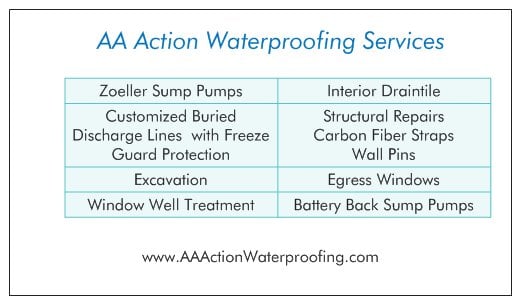 AA Action Waterproofing Inc
During the last several years, I have often heard that mold in the home could cause very serious health problems. However, because mold is not easily noticeable to the average person, I did not think I had a mold problem and didn’t pay much attention to my basement apartment. In addition, I...
 Valor Mold Removal
I highly recommend this company, which provides professional, high quality services for a reasonable price. The specialist was very knowledgable and took the time to provide a thorough assessment and answer every question I had in detail. The remediation team was extremely courteous, neat,...
 Medical Mold Relief LLC
The service provider, whose name I've forgotten (!), was responsive, prompt, and thorough. He found mold in the bedroom and told me what I would need to do next -- call in to have it remediated. He also checked for mold in the room immediately below the affected bedroom. I probably would not...
We?ve recently decided <br /> to renovate our kitchen ourselves (how difficult can it be?). When we started <br /> to take down the cabinets we discovered mold, and lots of it. Pure nightmare! <br /> We were shocked and very upset knowing that this project is now going to <br /> increase...
 USA Clean Master
You know how you imagine that work will be done in your house and make everything better, without any details poorly executed? Well, that's exactly what Innovative did for us. After mold remediation was completed to repair the damage from a malfunctioning dehumidifier, Innovative replaced...
 Innovative Inc
From average costs to expert advice, get all the answers you need to get your job done.
Find out the average radon testing cost in Baltimore, MD. Learn what you can expect to pay for local indoor air quality testing and keep your home safe.

The cost of a radon mitigation system in Washington, D.C., depends mostly on the type of system being installed. Use this guide to learn about your options.
The cost of a radon mitigation system in Baltimore, MD, depends mostly on the type of system being installed. Use this guide to learn about your options.
Knowing how to test for radon will keep your home free and safe from this odorless gas—you just have to decide whether to do it yourself or hire a pro.
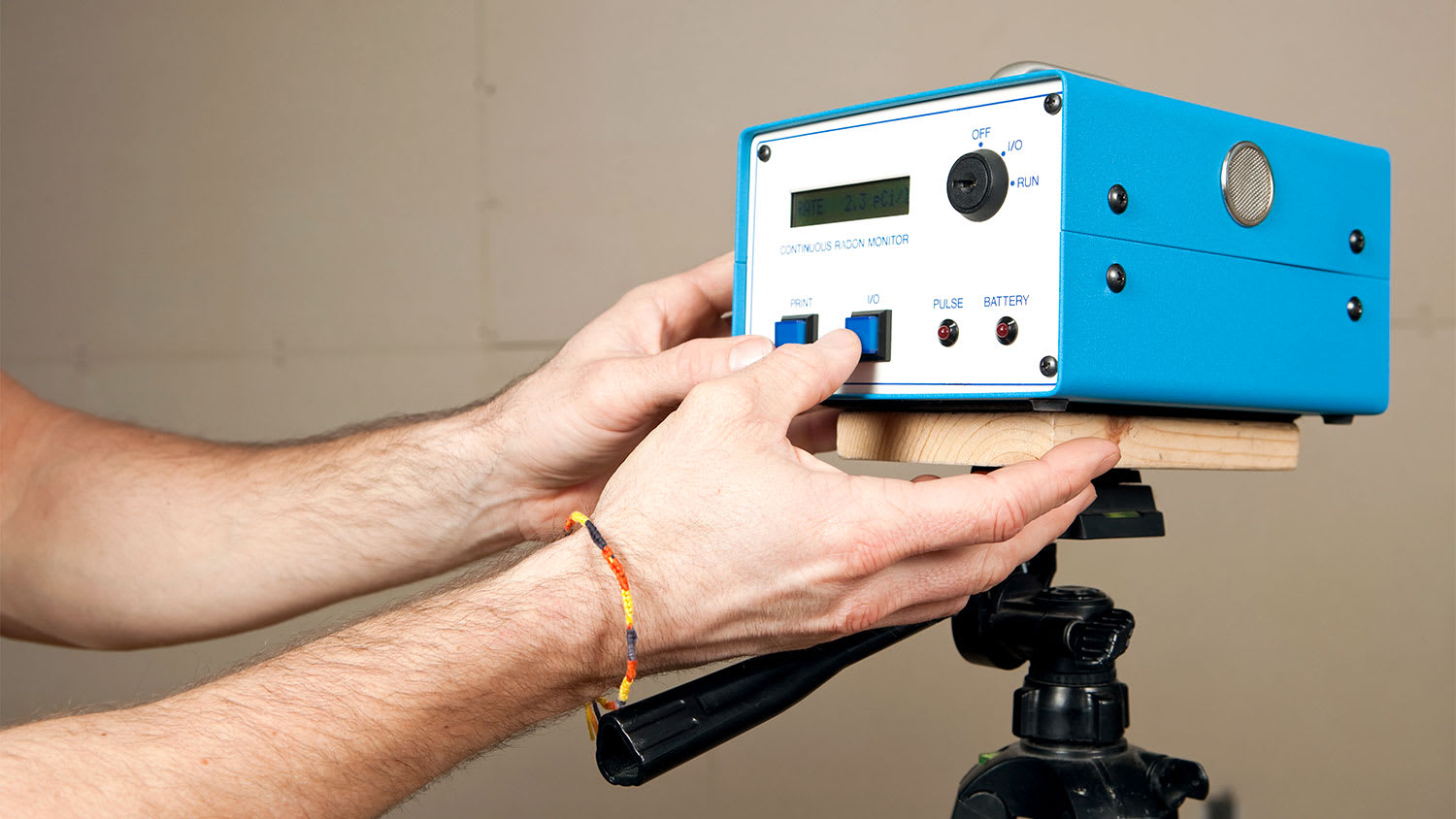
Learn how to hire a qualified radon testing pro for your home. Find certified professionals, understand costs, and get expert tips to protect your family.

Radon is a gas that you can't see or smell and is harmful to your health. If your home has radon, you need to know who installs radon mitigation systems.