






Top-rated outdoor kitchen pros.

Best outdoor kitchen pros near Macomb, MI

Enter your zip and get matched with up to 5 pros

Need a pro for your outdoor kitchen service project in Macomb, MI?

Select your specific project to find the pro for you.

Top-Rated Outdoor kitchen pros in Macomb - Updated Nov 2026

Avatar for Todaro's Landscape
Todaro's Landscape
4.1(
177
)
Outdoor Kitchen-BuildOutdoor Kitchen-Build - For Business

Serving Macomb, MI and surrounding areas

Free estimates

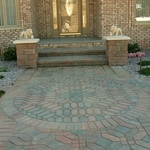
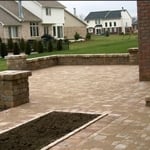
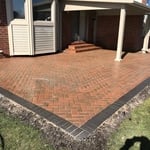
"Joe was very professional.  It was a busy time of the year and rain delayed the project a bit, but he was willing to answer calls and discuss tentative dates.  The patio is beautiful and his crew cleaned up nicely.  I would highly recmommend him, as his price point was much better than competitors.
"
Hardscaping & Pavers
Todaro Landscape
Todaro Landscape

+2

Recommended by86%of homeowners
Showing 1-10 of 36
Outdoor Kitchens FAQs, answered by experts

Your maintenance needs revolve around the type of foundation you choose, as well as how you furnish or decorate it. Patios require little else other than the occasional hose-down, but decks and other wooden structures will require annual power washing and sealing. You may also need to restain the wood every two to three years.

Adding a solid roof rather than building a pergola or leaving the space open will make maintenance much easier. Without a roof, you will need to spend more time sweeping, washing, and covering your furniture to protect it from UV bleaching.

For outdoor kitchens, it's best to use wood that is naturally resistant to weather elements like water and heat, which can cause fading, mold, or mildew. Excellent choices include teak, Brazilian walnut, white oak, and mahogany. Avoid softwoods such as pine and cedar, as they are more susceptible to damage and can catch fire easily. Regardless of the wood you choose, it should be pressure-treated for extra protection and regularly maintained with sealants, oils, and stains.

No. Placing a built-in grill against the house is discouraged due to safety concerns. Building codes and regulations often require a minimum distance (typically 10 feet or more) between a gas grill and any combustible structure, including a house. Placing a grill too close poses a fire hazard and risks damage to the siding or structure, potentially leading to carbon monoxide buildup. It's essential to consult local building codes, follow manufacturer guidelines, and prioritize safety by positioning the grill at a safe distance, ideally in a well-ventilated outdoor kitchen or designated grill area.

Whether you need permits for an outdoor kitchen depends on the project's scope and local regulations. In many cases, permits are required, particularly for permanent structures with a foundation or when running utility lines for gas, plumbing, or electricity. Simpler, non-permanent setups may not require them. Building permits for an outdoor kitchen typically cost between $250 and $500, but can be as much as $2,000 for larger projects. Separate permits for utility lines may add an additional $75 to $200. Since requirements vary by municipality, it's best to consult a professional outdoor kitchen contractor to confirm the specific permits needed for your project.

Built-in gas grills typically have a life span of 10 to 15 years. However, their longevity can vary based on quality, usage frequency, climate conditions, and maintenance routines. High-quality models made from durable materials tend to last longer. Additionally, regular cleaning, covering the grill when not in use, and conducting routine maintenance tasks such as cleaning burners and replacing worn-out parts can extend its life. A well-maintained built-in gas grill can provide excellent performance and memorable cooking experiences for a decade or more, making it a worthwhile investment for outdoor cooking enthusiasts.

The Macomb, MI homeowners’ guide to outdoor kitchen services

From average costs to expert advice, get all the answers you need to get your job done.