




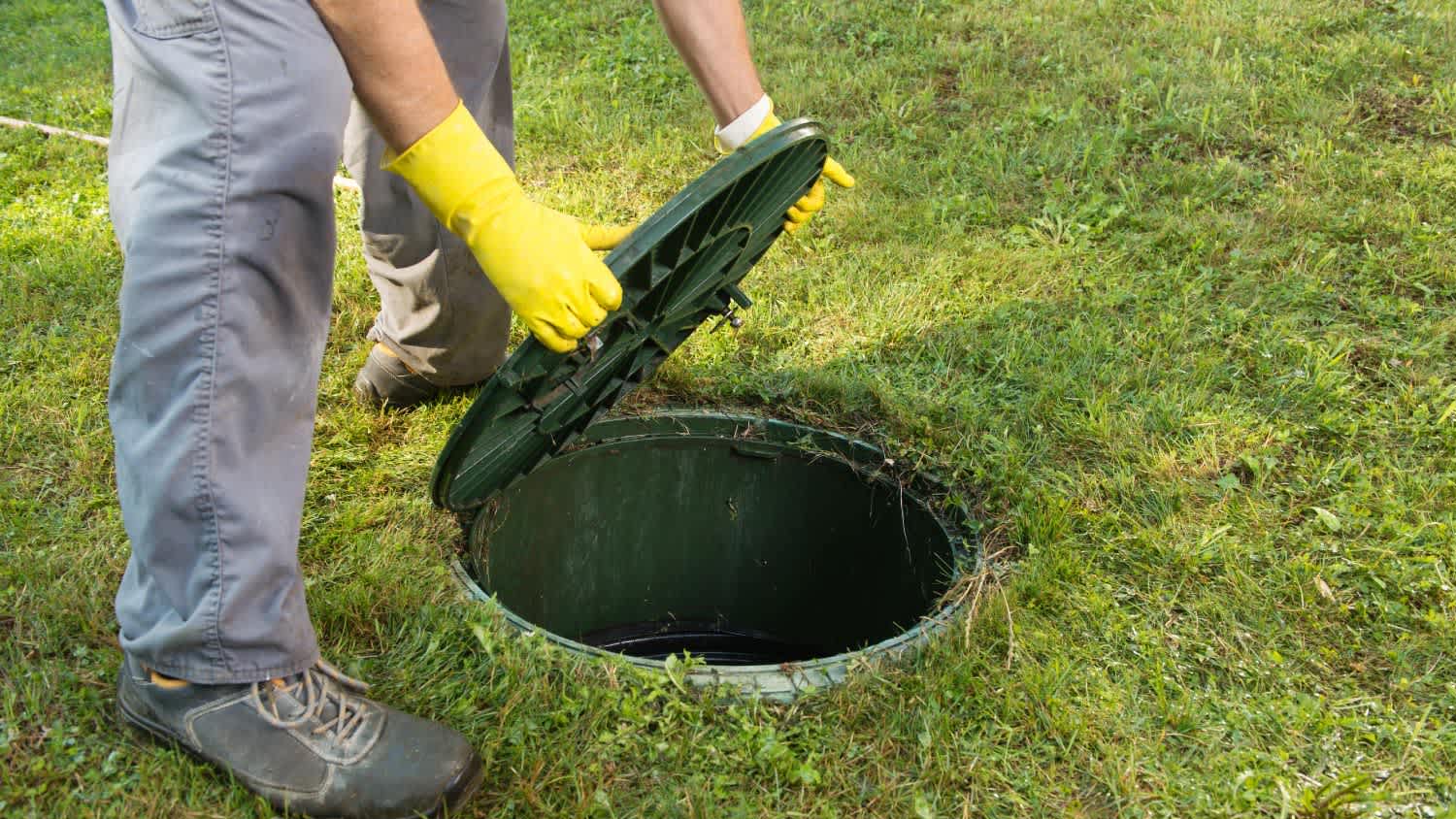
Top-rated percolation testing pros.

Get matched with top percolation testing pros in Lapeer, MI

Enter your zip and get matched with up to 5 pros

Need a pro for your percolation testing project in Lapeer, MI?

Select your specific project to find the pro for you.

TRUSTED BY LAPEER, MI HOMEOWNERS

  • Average homeowner rating star icon4.5
    Average homeowner rating
  • Verified reviews icon356
    Verified percolation testing services reviews

Find Percolation testing pros in Lapeer

No results for Percolation testing pro in

Try adjusting your search criteria.
Percolation Tests questions, answered by experts

The signs of asbestos exposure are often subtle and may not appear for many years, or even decades, after initial contact. This long latency period is one of the primary dangers associated with asbestos.

When symptoms do manifest, they can include:

  • Shortness of breath

  • A persistent, dry cough

  • Chest pain or tightness

  • Fatigue

  • Wheezing

  • Weight loss

  • Difficulty swallowing

  • A dry, crackling sound from the lungs when breathing

These symptoms are non-specific and can be mistaken for other respiratory conditions, making diagnosis challenging. Prolonged exposure can lead to serious diseases as the asbestos fibers cause scarring and inflammation in the lungs. These conditions include asbestosis, lung cancer, and mesothelioma.

Due to the vague nature of early symptoms, regular medical check-ups are crucial for anyone with a known history of asbestos exposure, particularly in an occupational setting. If you suspect asbestos is present in your home, a professional inspection is recommended.

According to the National Cancer Institute, asbestos-related diseases can take anywhere from 10 to 40 years for symptoms to appear. The health risks increase with prolonged and heavier exposure. Risk factors also include:

  • Amount of exposure

  • Chemical makeup, size, and shape of the asbestos fibers

  • Length of time a person is exposed to asbestos

  • Genetic factors 

  • Source of exposure (direct exposure or secondhand exposure from someone directly exposed)

In the 1980s, the use of asbestos in house siding materials underwent a significant decline, ultimately being phased out by the mid-1980s to early 1990s. This change was largely due to a growing awareness of the severe health risks associated with asbestos exposure, particularly its link to lung diseases and cancers. With increased public concern and regulatory agency involvement, building codes and regulations were updated to restrict the use of asbestos in construction materials. 

Although the use of asbestos has declined since the 1980s, it remains in several different types of building construction materials for insulation and as a fire retardant. Typically, asbestos can be found in materials such as ceiling and floor tiles, heat-resistant fabrics and coatings, and roof shingles. You may also find asbestos in textured paint and patching compounds.

Common areas include insulation, flooring, ceilings, and siding in older buildings. Professionals identify potential risks.

The Lapeer, MI homeowners’ guide to percolation testing services

From average costs to expert advice, get all the answers you need to get your job done.