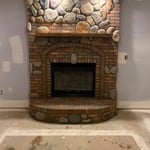
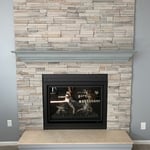
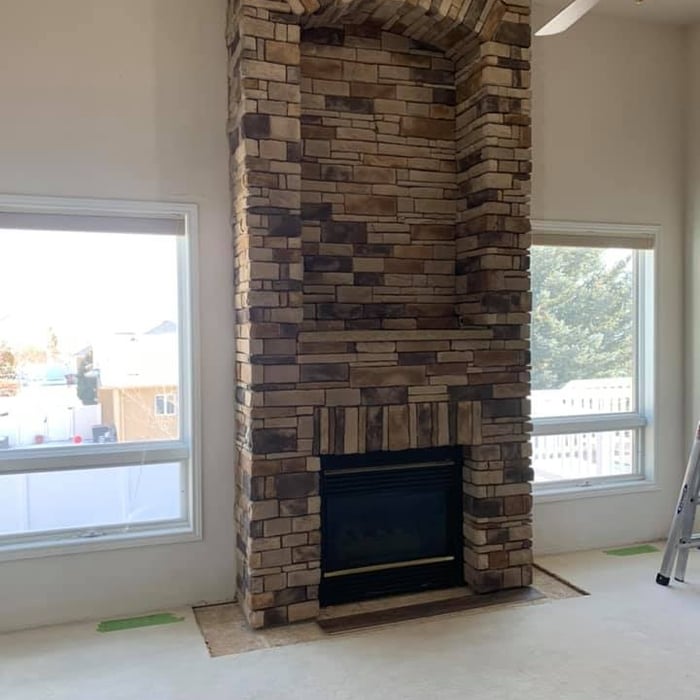
"I was impressed with Chuck from Shamrock Chimney. He was realistic in his discussion and went thru various options from converting to a gas fireplace to wood inserts. He discussed the issues with the existing field stone face and converting to a two way fireplace. He certainly made me comfortable to consider Shamrock should the project move forward."
"We had a great experience with this company! Ken called us immediately after we indicated that we were in need of help with our chimney, and was extremely good with communication the entire time. After learning that a bird was trapped in our wall behind the fireplace, we called dozens of companies, however, Michigan Chimneys was the only one that offered their assistance. They were prompt, professional and all around great guys. They were able to free the bird, fix our chimney caps, and clean the chimney for a reasonable price. We would recommend their services to anyone in need of repairs or maintenance! We will definitely hire Michigan Chimneys again in the future!"
With 10+ years experience, CB Masonry & Construction, Inc, is committed to excellence in every aspect of our business. We uphold a standard of integrity bound by fairness, honesty, and personal responsibility. Our distinction is the quality of service we bring to our customers. Accurate knowledge of our trade combined with ability is what makes us true professionals. Above all, we are watchful of our customers' interests and make their concerns the basis of our business.
Hello, I am a hard-working particular about my work. I have multiple skills. I try to keep everything unreasonable prices. I’ve been working in construction for at least 30 years. I like to be affordable yet doing a top notch job, restoration is my primary love, great for painting, roofing repairs drywall pretty much anything around the board if I can’t do it I have associates I can I can always put you in the right direction
I have all the tools to do power washing, interior and exterior painting, handy man work as well! \n\nI have been doing this for 10 years. My wife and I are very talented and fair.
The Kind Cleaners is a local Michigan based cleaning company. We pride ourselves on quick communication, competitive pricing and excellent customer service.
Prime hood cleaning is number one for customer satisfaction schedule flexibility Every cleaning service is inspected, cleaned, and certified by insured licensed technicians.
Pellet stoves are designed to run for several hours at a time. Running them for an entire day is not uncommon. More advanced models can run continuously for up to 48 hours, making them ideal if you live in extremely cold conditions and don't want to keep refueling the stove.
To ensure your wood stove heats the whole house, measure the square footage of your home and choose a wood stove designed to heat that amount of space. More efficient wood stoves, such as those made of soapstone or those with catalytic combustors, can more easily heat larger spaces for less money.
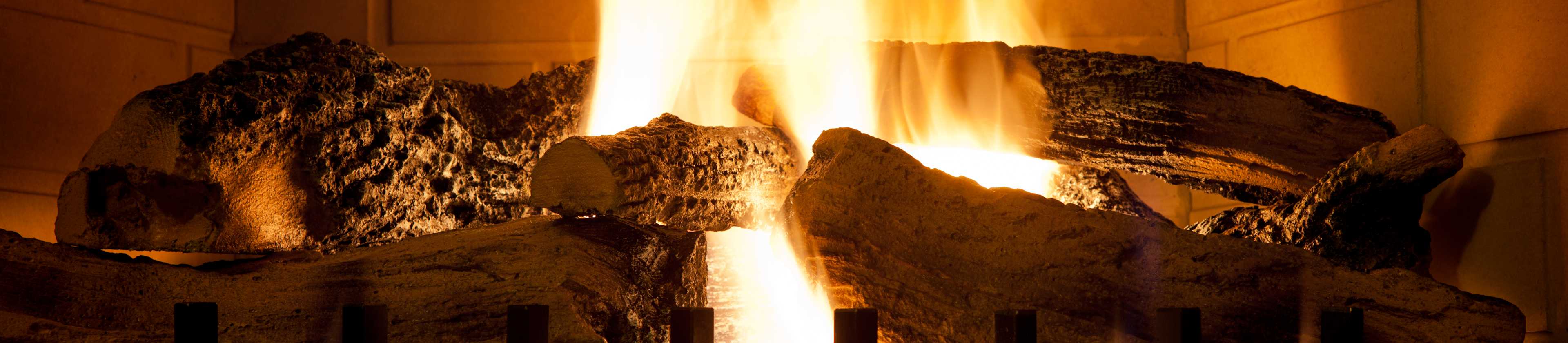
No, because they burn propane or natural gas, gas fireplaces do not generate ash like wood-burning fireplaces. However, gas fireplaces require maintenance, such as cleaning the glass doors, checking for debris in the burner or vents, and ensuring the logs or glass stones are in place. This maintenance ensures that the fireplace continues to operate efficiently and safely.
To burn garden waste, you can use a dug-out burn pit lined with stone or brick, a burn barrel, or a garden incinerator. If using a burn barrel, make sure it's made entirely of metal and properly equipped with screened vents and a metal top screen. Garden incinerators are designed for waste burning and should be operated according to the manufacturer's instructions.
Yes, it is possible to convert a wood-burning fireplace to gas. The average cost for this conversion is $3,000, with a typical range of $500 to $5,500. The project involves running a gas line, professionally cleaning the chimney, and installing gas logs.
Cost factors include the type of gas fireplace and whether a new gas line is needed. Installing a natural gas line can add $200 to $1,000 to the cost. Vented gas fireplaces are more expensive, averaging around $5,000, while ventless options are more cost-effective at about $1,500.
The Kingston, MI homeowners’ guide to fireplace services
From average costs to expert advice, get all the answers you need to get your job done.
With a gas fireplace, it’s important to stay up-to-date on your inspections. Learn more about how much gas fireplace inspections cost before you book one.
Find out if you really need a chimney to install a fireplace in your home. This guide helps you understand your options, such as a ventless fireplace, when choosing the right fireplace for your home if you don't have a chimney.