

Top-rated masons.

Get matched with top masons in Indian River, MI

Enter your zip and get matched with up to 5 pros

Need a pro for your masonry work project in Indian River, MI?

Select your specific project to find the pro for you.

Find Masons in Indian River

Avatar for Groundworks
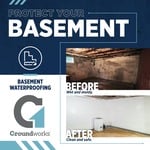
Groundworks
5.0(
32
)
Foundation, Basement or Crawlspace - Waterproofing / EncapsulationConcrete Foundation - RaiseConcrete Foundation - Repair+2 more

Serving Indian River, MI and surrounding areas

Approved (Corporate)

Super Service Award Winner

In business since 2007

Free estimates

Warranties offered

"Chris Peplinski came out and gave us a fair and honest estimate on fixing our foundation. Alex and crew arrived and installed helical piers to shore up our foundation and you couldn’t tell they were even here. Everything from the first call to the install was top notch! Highly Recommend!"
Basement
Basement
Basement
Basement
Concrete

+16

158 neighbors recently requested a quote
Recommended by86%of homeowners
Avatar for Shamrock Maintenance Corp.
Shamrock Maintenance Corp.
4.5(
14
)
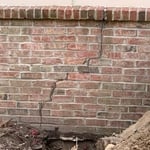
Brick or Stone - Tuck-pointingBrick, Stone or Block Wall - Repair

Serving Indian River, MI and surrounding areas

Approved

Super Service Award Winner

In business since 1985

Free estimates

Emergency services offered

"I was impressed with Chuck from Shamrock Chimney. He was realistic in his discussion and went thru various options from converting to a gas fireplace to wood inserts. He discussed the issues with the existing field stone face and converting to a two way fireplace. He certainly made me comfortable to consider Shamrock should the project move forward."
Chimney Repair
Chimney Repair
Chimney Repair
Chimney Repair
Chimney Repair

+31

Response time1 day
Response rate100%
111 neighbors recently requested a quote
Mitten Carpentry, LLC
New to Angi
Concrete Foundation - Repair
Serving Indian River, MI and surrounding areas

Approved

In business since 2018
Free estimates

Carl Mills is a locally owned and operated company that values honesty and integrity in all aspects of our business. Our dedicated team of professionals have over 10 years of hands on experience, to provide innovative ideas and suggestions tailored to your projects. Our services are customized to your individual needs, paying close attention to the details of each project that we are involved with. Please feel free to contact us today!

Work
Work
Work
Work
Work

+14

Response time1 day
Showing 1-10 of 44
Masonry questions, answered by experts

Mortar and thinset both serve the same purpose—tile adhesion—but have different compositions and use-cases. Thinset is heatproof and presents a wide range of possibilities due to the added polymers. Mortar is typically used for bonding stones and brick. Thinset is rarely used outside, while mortar is rarely used inside.

Yes, depending on the type of pavers you have, you may need a specific type of sealant. For example, concrete pavers will bond differently than clay pavers or faux stone pavers and will demand a different type of sealer. If you’re unsure of the material and what type of sealant you need, you can contact the company that laid your pavers down for you.

Chimney mortar typically lasts 20 to 30 years, depending on its quality, local weather conditions, and maintenance. Over time, exposure to moisture, freezing, and thawing cycles can cause mortar to deteriorate, leading to cracks and gaps. Regular inspections and timely repairs, such as repointing or tuckpointing, can extend the lifespan of chimney mortar by ensuring the structure's integrity.

To stain brick, you should use a product specifically formulated for brick, concrete, or other masonry surfaces. These stains are designed to penetrate the porous surface of the brick and bond with it. This is different from paint, which sits on the surface and is prone to peeling, flaking, and trapping moisture that can cause damage. Water-based brick stains are often recommended because they are easy to apply, even for DIYers, and they allow the brick to breathe. Avoid using regular paint on brick, as it will not adhere properly and can lead to future maintenance problems.

No, you shouldn’t lay bricks directly on dirt. While it might seem like a shortcut, it leads to a patio that shifts, sinks, and becomes a maintenance headache. Dirt expands, contracts, and erodes—none of which mix well with long-term stability. To build something that lasts, excavate the topsoil, compact a layer of crushed gravel, and add a coarse sand-setting bed. This layered base gives your bricks proper support, allows drainage, and helps block weeds from creeping through. Cutting corners here just means you’ll spend more time—and money—repairing your brick patio later.

The Indian River, MI homeowners’ guide to masonry services

From average costs to expert advice, get all the answers you need to get your job done.