




Top-rated masons.

Get matched with top masons in Central Lake, MI

Enter your zip and get matched with up to 5 pros

Need a pro for your masonry work project in Central Lake, MI?

Select your specific project to find the pro for you.

Find Masons in Central Lake

Avatar for Shamrock Maintenance Corp.
Shamrock Maintenance Corp.
4.5(
15
)
Brick or Stone - Tuck-pointingBrick, Stone or Block Wall - Repair

Serving Central Lake, MI and surrounding areas

Approved

Super Service Award Winner

In business since 1985

Free estimates

Emergency services offered

"I was impressed with Chuck from Shamrock Chimney. He was realistic in his discussion and went thru various options from converting to a gas fireplace to wood inserts. He discussed the issues with the existing field stone face and converting to a two way fireplace. He certainly made me comfortable to consider Shamrock should the project move forward."
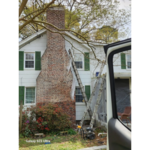
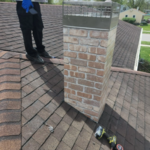
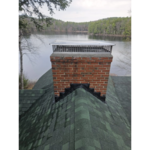
Chimney Repair
Chimney Repair
Chimney Repair
Chimney Repair
Chimney Repair

+31

Response time1 day
Response rate100%
81 neighbors recently requested a quote
...
Showing 1-10 of 66
Masonry questions, answered by experts

Yes, it is essential to prime or seal a brick fireplace before painting. Brick is a porous and highly absorbent material, so without a primer, paint can seep into the surface, resulting in uneven coverage and allowing the natural brick color to show through. To avoid this, apply one or two coats of a masonry primer. The primer will seal the brick and provide a smooth, uniform layer for the paint to adhere to. Ensure the primer is completely dry before applying the topcoat of paint.

Mortar, or masonry mortar, is mainly used in joints and as parging for stone, brick, or cement construction. Stucco is primarily a surface material used as wall coverings. For maintenance, masonry will need repointing or replacing as damage or land shifting occurs, whereas stucco will need patching or refinishing as it tends to crack over time along with other types of wear-and-tear.

You should use cement for a chimney crown. The purpose of the chimney crown is to protect the mortar below from water damage and the effects of weather. For this reason, chimney crowns should only be made using cement. When repairing a crown, use caulks and sealants designed for cement repair rather than mortar repair.

No, you don’t need to soak the brick before cutting it by hand. In fact, cutting a wet brick can make it harder to see your score lines and may cause the chisel to slip. Soaking is sometimes used with power tools to reduce dust, but for hand-cutting, it’s best to work with dry bricks for better control and visibility.

Cutting stone comes with a number of safety hazards. First and foremost, if you’re not comfortable with the equipment required to cut stone, including blades and grinders, you could easily injure yourself. The heavy machinery also poses a risk to your ears if you don’t wear proper ear protection; similarly, you need to wear eye protection to keep debris from irritating your eyes.

However, the biggest risk from cutting stone comes from the stone dust. When breathed in, stone dust can be a huge hazard to your lungs. Always wear a face mask when cutting stone to prevent inhaling stone dust, and thoroughly clean the work area when you are finished.

To avoid injury, we recommend hiring a stone-cutting professional, rather than attempting this job yourself.

The Central Lake, MI homeowners’ guide to masonry services

From average costs to expert advice, get all the answers you need to get your job done.