




Top-rated masons.

Get matched with top masons in Bellaire, MI

Enter your zip and get matched with up to 5 pros

Need a pro for your masonry work project in Bellaire, MI?

Select your specific project to find the pro for you.

Find Masons in Bellaire

...
Showing 1-10 of 67
Masonry questions, answered by experts

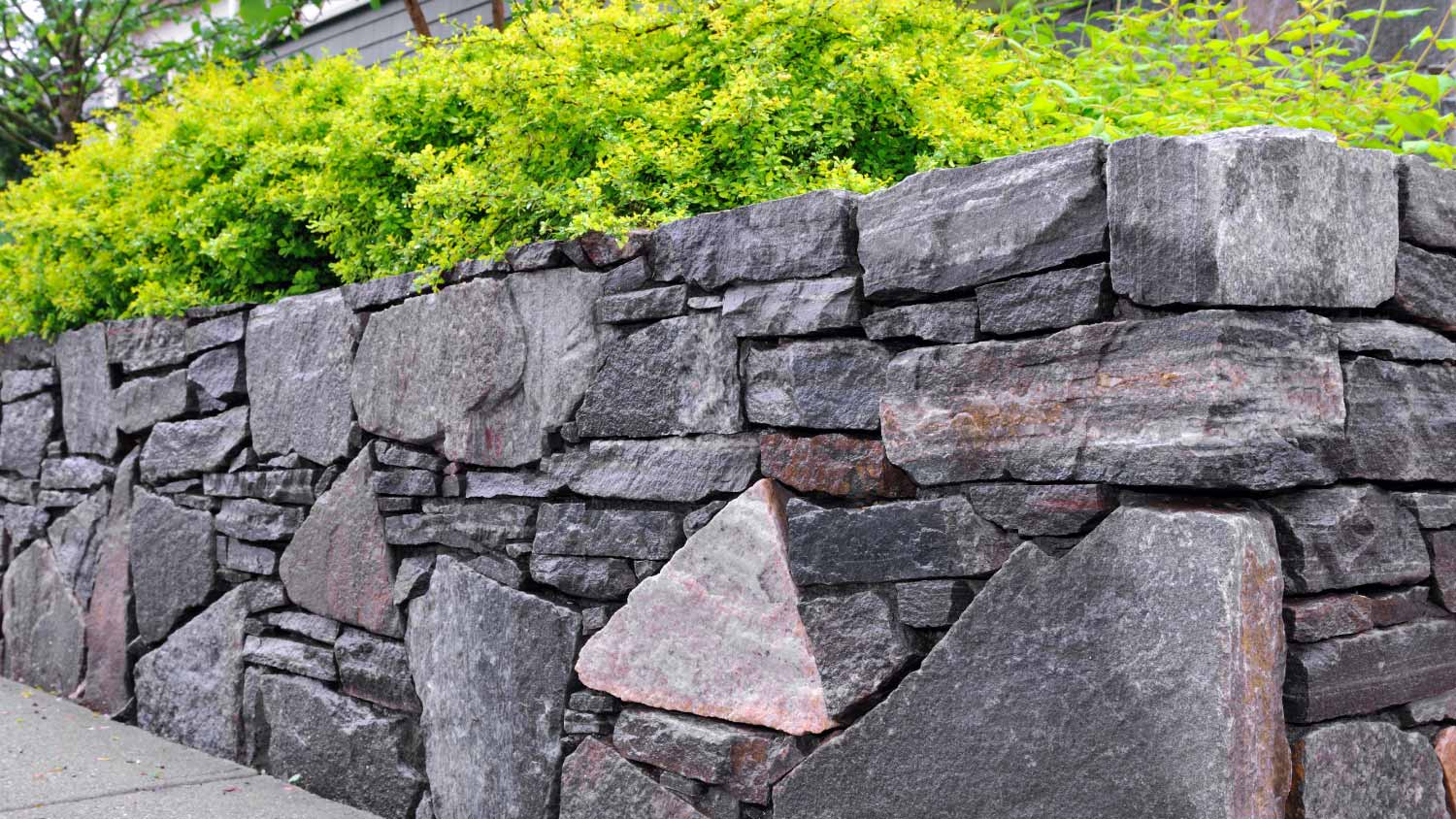
Choose from an abundance of natural and synthetic options when perfecting your hardscape design. Stone veneer costs a bit less, holds up against the tests of time and weather, and also works best in curves and complex walls.

Natural stone, however, provides an organic look to a lawn while providing just as much strength as veneer. Don't forget you can chat with your mason about other common wall materials like brick, cinderblock, and concrete.

When painting brick, each application method has pros and cons. Spraying is much faster but may not penetrate the porous surface of the bricks. Rolling is effective for getting paint into the bricks but doesn't work as well on the mortar. Brushing is very time-consuming and also won't penetrate beyond the surface. For the best results, a combination of spraying and rolling is often recommended. If you use a roller, choose a thick option (at least a half-inch) and ensure the paint gets into all the crevices for even coverage.

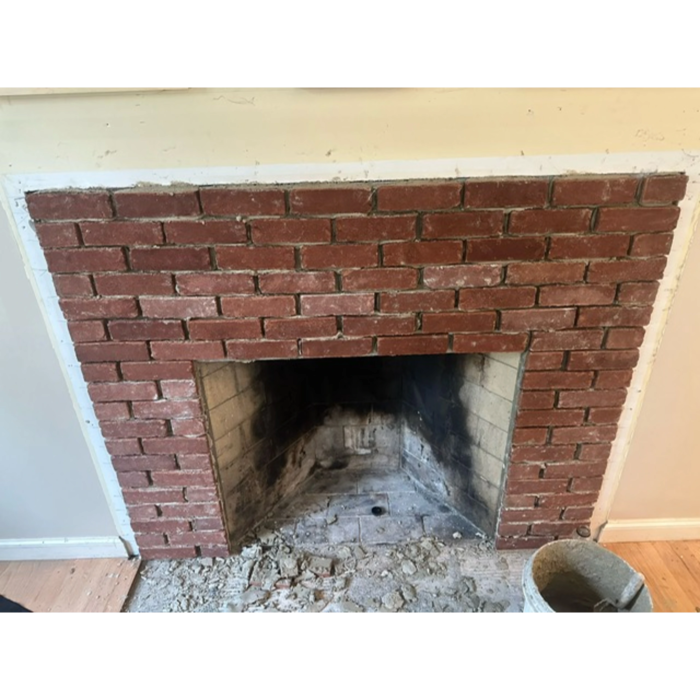
Yes, it is essential to prime or seal a brick fireplace before painting. Brick is a porous and highly absorbent material, so without a primer, paint can seep into the surface, resulting in uneven coverage and allowing the natural brick color to show through. To avoid this, apply one or two coats of a masonry primer. The primer will seal the brick and provide a smooth, uniform layer for the paint to adhere to. Ensure the primer is completely dry before applying the topcoat of paint.

Depending on the amount of soot present, you can vacuum some of it using a brush attachment on your vacuum cleaner. Then, remove the leftovers with a mild cleaner, such as dish soap or vinegar mixed with water. Before applying a cleaning solution, saturate the bricks with clean water to prevent the cleaner from penetrating beyond the surface and causing structural damage to the bricks.
Yes, limewash on brick can accumulate dust over time. Its porous nature can attract dust particles, especially in environments with high levels of dust or dirt. Additionally, if the limewash surface is left unsealed, it may be more prone to collecting dust. Additionally, incorrectly applied limewash will generate dust. Causes include applying it too thickly instead of thin layers and not allowing enough drying time between layers. Regular maintenance, such as gentle cleaning or dusting, can help mitigate dusty issues.


The Bellaire, MI homeowners’ guide to masonry services

From average costs to expert advice, get all the answers you need to get your job done.