




Top-rated fireplace pros.

Get matched with top fireplace pros in Grosse Ile, MI

Enter your zip and get matched with up to 5 pros

Need a pro for your fireplace service project in Grosse Ile, MI?

Select your specific project to find the pro for you.

TRUSTED BY GROSSE ILE, MI HOMEOWNERS

  • Average homeowner rating star icon4
    Average homeowner rating
  • Verified reviews icon67
    Verified fireplace services reviews

Find Fireplace pros in Grosse Ile

...
Showing 1-10 of 97
Fireplaces questions, answered by experts

Yes, removing a chimney is a difficult and major undertaking. Chimneys often provide structural support to a home, so if it's a load-bearing structure, you'll need to take extra precautions to maintain your home's integrity. A project of this complexity typically requires a structural engineer, a masonry contractor, and a demolition crew. The removal process may involve taking the chimney out brick by brick from inside the walls. The cost for chimney removal can range from $2,000 to $10,000, depending on the job's complexity. Due to the difficulty and cost, some homeowners opt to remove the fireplace and seal the chimney at the top and bottom, sometimes also removing the visible exterior portion at the roofline.

Pellet stoves are safer than wood stoves in many ways. They don’t produce as many creosote deposits as wood stoves do, they create less smoke, and the flames are contained, decreasing the risk of any sparks or embers creating a house fire. Pellet stoves also burn more cleanly and efficiently than wood stoves do.

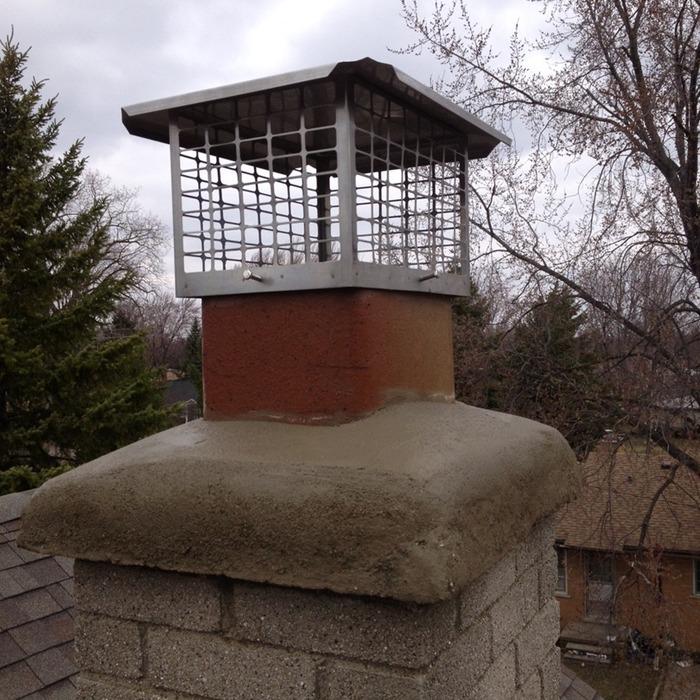
Yes, it’s worth capping a chimney. Here are several reasons to install a chimney cap:

  • Keep out rain, snow, wildlife, and other debris

  • Help prevent chimney fires

  • Reduce your chimney’s exposure to moisture

  • Maintain your chimney flue liner

  • Help reduce energy bills by helping regulate your home’s temperature

Compared to certain types of firewood like pine or spruce—which burn off sticky resin contained within the wood that creates lots of smoke—elm isn’t the worst option for burning in a fireplace.

Because elm wood is dense, it burns at a moderate pace and does a pretty good job of keeping your home warm. Hardwood like maple or oak may perform slightly better, but elm isn’t a bad choice overall.

To burn garden waste, you can use a dug-out burn pit lined with stone or brick, a burn barrel, or a garden incinerator. If using a burn barrel, make sure it's made entirely of metal and properly equipped with screened vents and a metal top screen. Garden incinerators are designed for waste burning and should be operated according to the manufacturer's instructions.

The Grosse Ile, MI homeowners’ guide to fireplace services

From average costs to expert advice, get all the answers you need to get your job done.