





Top-rated radon detection and reduction specialists.

Get matched with top radon detection and reduction specialists in Grand Haven, MI

Enter your zip and get matched with up to 5 pros

Need a pro for your radon detection and reduction project in Grand Haven, MI?

Select your specific project to find the pro for you.

Find Radon detection and reduction specialists in Grand Haven

Avatar for Brigade Home Inspection Services, LLC
Brigade Home Inspection Services, LLC
4.9(
120
)
Radon Gas - Testing

Serving Grand Haven, MI and surrounding areas

Approved

In business since 2018

Free estimates

Credit card accepted

"Very professional and gave a good deal on price. Was able to do a radon inspection and inspect our house, shed, and pole barn all for 500 dollars. I caught a lot of things we could have missed. Great job!"
Roof Inspection
Central Air conditioning condenser
Response time5 hrs
Recommended by98%of homeowners
Avatar for SM Radon
SM Radon
5.0(
29
)
Radon Gas - AbatementRadon Gas - Testing

Serving Grand Haven, MI and surrounding areas

In business since 2017

Free estimates

Warranties offered

"Service was quick and efficient. We don't need to mitigate radon at the moment, but I was happy to get a quick turnaround on our results. I've already added SM Radon to my contacts for future testing needs."
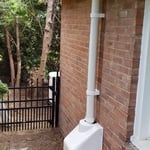
Fan Location
Home Exterior
Mitigation System Exterior
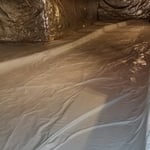
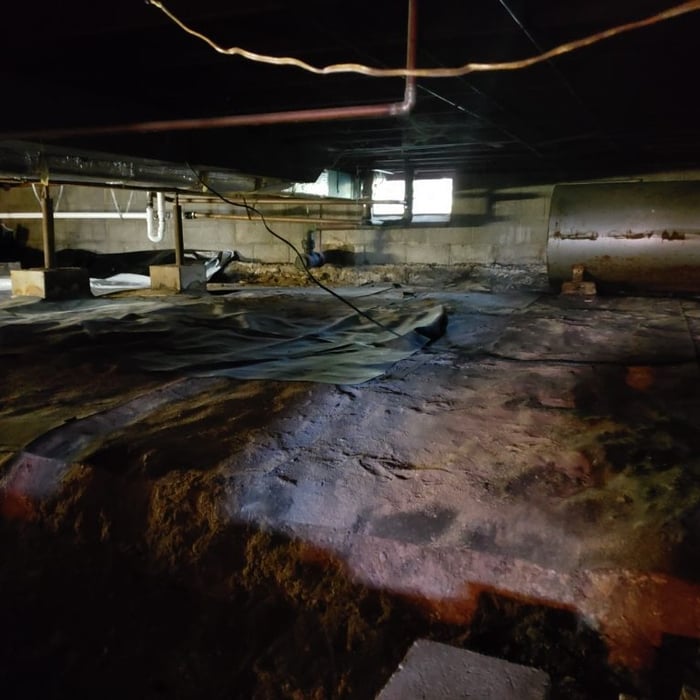
Crawlspace
Crawlspace Before

+2

Response time6 hrs
Recommended by100%of homeowners
Avatar for Oakwood Home Inspection
Oakwood Home Inspection
5.0(
3
)
Radon Gas - Testing

Serving Grand Haven, MI and surrounding areas

In business since 2023

Free estimates

Credit card accepted

"Brad was thorough, on time, and explained everything clearly. I felt confident in the inspection, and didn’t feel like he left any stone unturned. Would definitely recommend to anyone needing an inspection."
Response time2 hrs
Avatar for Central Home Inspections
Central Home Inspections
4.0(
2
)
Radon Gas - Testing

Serving Grand Haven, MI and surrounding areas

In business since 2010

Free estimates

Warranties offered

"Mike and his daughter performed the inspections. He was responsive to my questions and doubts and was able to set up the appointment for the next day. I would have expected that the smoke detectors along with the doorbell to be tested - I didn't think of this until after the inspection. I did ask him to check some of the lights (porch, closet) that maybe would have been missed. Price was higher than most but he was able to accommodate my timing."
Heroes Discount
Certifications
Certified Inspection Experts
Annual Home Maintenance Inspections
Certifications

+8

Response time6 hrs
Recommended by100%of homeowners
Showing 1-10 of 13
Radon Detection and Reduction questions, answered by experts

The lifespan of a radon mitigation system depends on the type of system and its maintenance. With proper care, a system can last for many decades. Passive systems tend to last longer as they have fewer components that require replacement. Active systems, which have more moving parts like fans, generally have a shorter lifespan. For instance, water filtration devices and active pressurization systems require more frequent maintenance. While the system as a whole is durable, the radon fan in an active system typically has a lifespan of 5 to 10 years and will need to be replaced. As long as the fan is working, the mitigation system should function correctly.

Radon is a cancer-causing radioactive gas that poses serious health risks, infiltrating homes through foundation cracks and unnoticed spaces.

No level of radon is technically safe, but since it is naturally present everywhere, it is impossible to avoid entirely. The average radon level in homes across the United States is 1.3 picocuries per liter (pCi/L). The Environmental Protection Agency (EPA) recommends taking action to reduce radon levels if your home's test results are between 2 and 4 pCi/L or higher.

Radon enters your home when warm air begins to rise and exits through the roof, creating a vacuum that pulls cooler air from under the foundation. Part of that air is radon, which is an invisible, odorless gas that develops naturally when radioactive particles are deep within the ground. Those particles usually come from decaying matter in soil and rocks.

The soil beneath your house is most likely what’s causing an increased level of radon. This is because soil holds radioactivity for a long time and it’s also what most buildings are built on. Another common source of radon is water from a source that hasn’t been through periodic radon tests, such as well water. Over time, the radon from the soil can inhabit other parts of your house like the foundation or plumbing.

The Grand Haven, MI homeowners’ guide to radon detection and reduction services

From average costs to expert advice, get all the answers you need to get your job done.