



Rodriguez Drywall Interiors LLC
Plaster - Repair
Serving Edmore, MI and surrounding areas
Approved
I have been in the business for 8 years. I am very clean with the work I do and it’s always very neat.
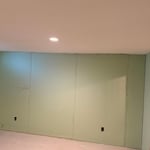
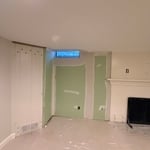
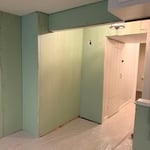
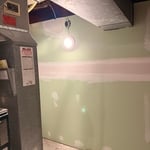
+9

*The Angi rating for Plaster Repair companies in Edmore, MI is a rating based on verified reviews from our community of homeowners who have used these pros to meet their Plaster Repair needs.
*The HomeAdvisor rating for Plaster Repair companies in Edmore, MI is a rating based on verified reviews from our community of homeowners who have used these pros to meet their Plaster Repair needs.
Last update on April 19, 2025
Serving Edmore, MI and surrounding areas
Approved
I have been in the business for 8 years. I am very clean with the work I do and it’s always very neat.
+9
Serving Edmore, MI and surrounding areas
Approved
Hello my name is Alfredo Bedolla I specialize is decks, decking , drywall and repairs but I do a lot more! I take a lot of pride in all of the work i do and I hope I can make you love it just as much as I love doing the work !
Serving Edmore, MI and surrounding areas
Approved
Free estimates
We are a Veteran Owned business, accredited with an A+ rating with the letter Business Bureau. We specialize in outdoor decks, gazebos and indoor dream making, i.e. kitchens, bathrooms, basements and specialized wall pieces.

Serving Edmore, MI and surrounding areas
Approved
With over 12 years experience specializing in residential and commercial painting interior and exterior refined edge will change your space and offer a brand new look to your existing area
Serving Edmore, MI and surrounding areas
In business since 2024
Free estimates
Offers commercial services
"Ernesto is a very resptful nice and conscientious young man. I would hure him back in a heartbeat."
Serving Edmore, MI and surrounding areas
In business since 2018
Free estimates
Small jobs welcome
"Very respectful, finished in a very timely manner. I hired Curtiss through Home Advisor to surprise my daughter...she was delighted with the work done. Thank you so much!"




+5

Serving Edmore, MI and surrounding areas
In business since 2019
Free estimates
"It was great work. It was an awesome work. He has a reasonable price. He was really good. He was excellent. He was hardworking. He was very honest. He got the job completed. Everything was very nice. He was very dependable."




+6
Serving Edmore, MI and surrounding areas
In business since 2006
Free estimates
Offers commercial services
"Fast, efficient, and quality work"
Serving Edmore, MI and surrounding areas
In business since 2006
Free estimates
Credit card accepted
"They did good work! Very pleased overall!"
Serving Edmore, MI and surrounding areas
In business since 2023
Free estimates
Small jobs welcome
"These guys were good to work with. They were prompt to get started and completed in about a week. I would work with them again. I would recommend to be specific in what you want done and the quality of the finished work. They will work with you to meet expectations."
From average costs to expert advice, get all the answers you need to get your job done.
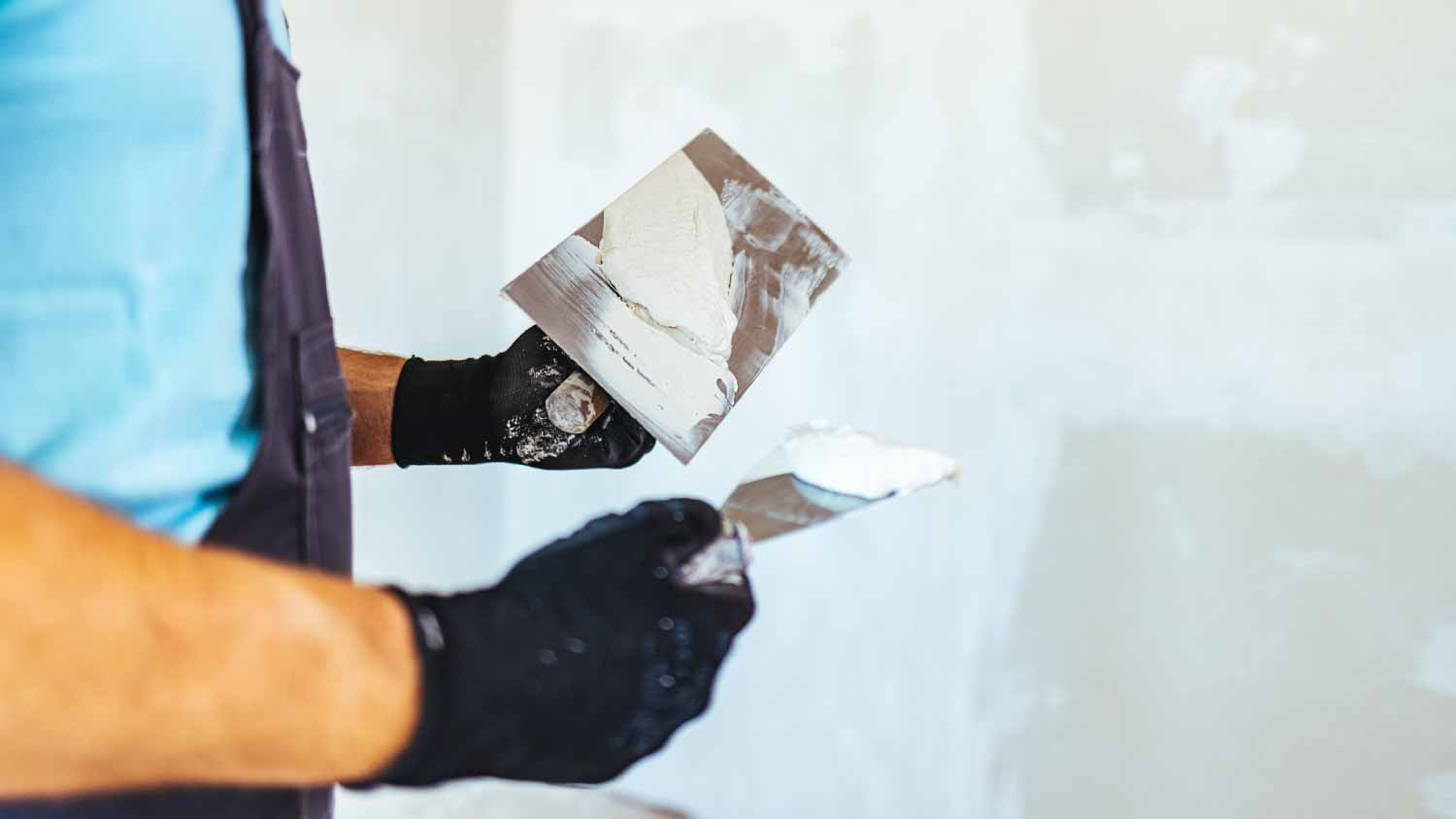
Plaster repair costs are determined by the size and type of damage. Discover why some fixes you can DIY and why some require a pro’s help.
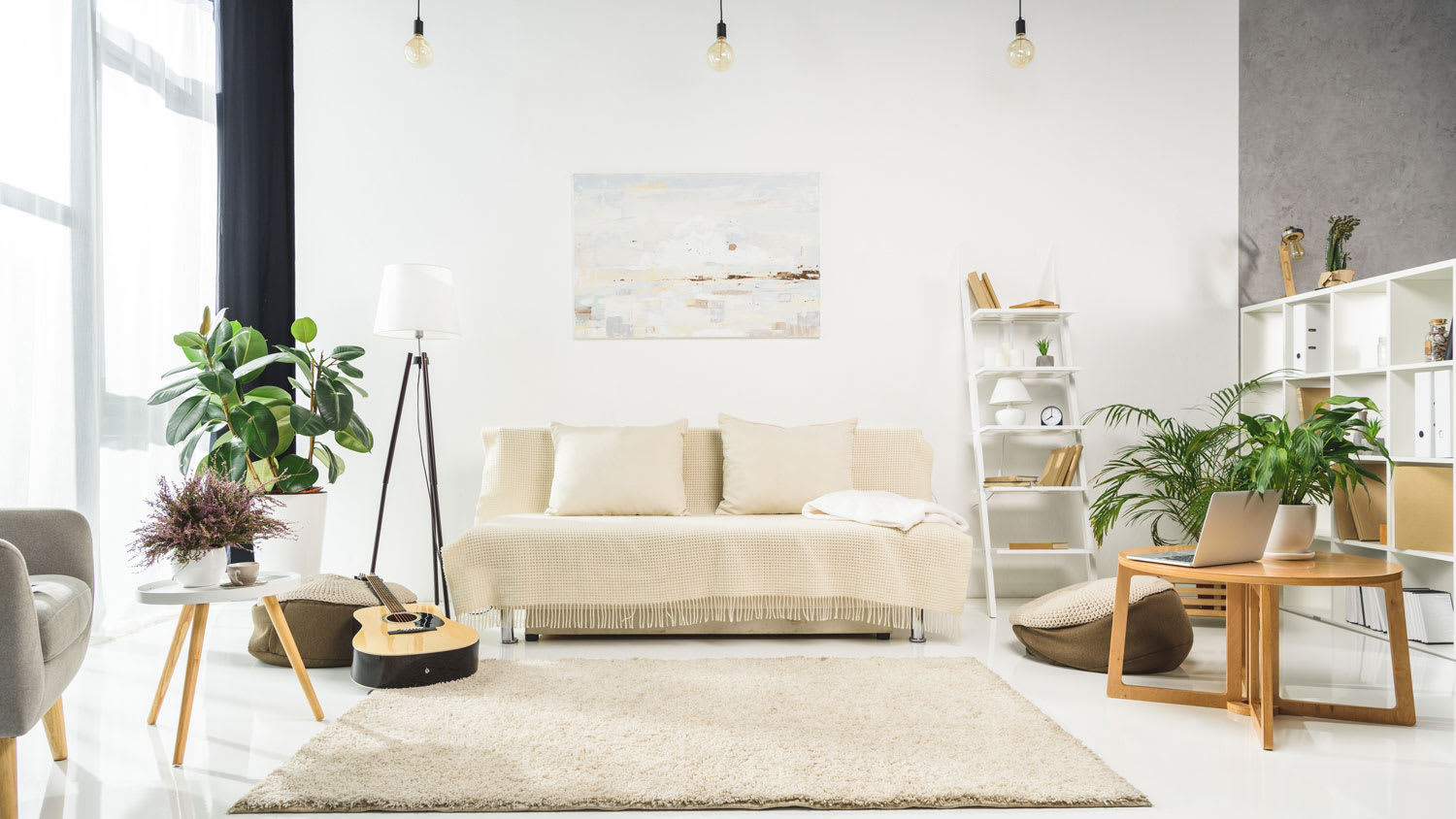
The cost of plastering walls and ceilings depends on the room size and ceiling height. Our tips can help you estimate an accurate cost.
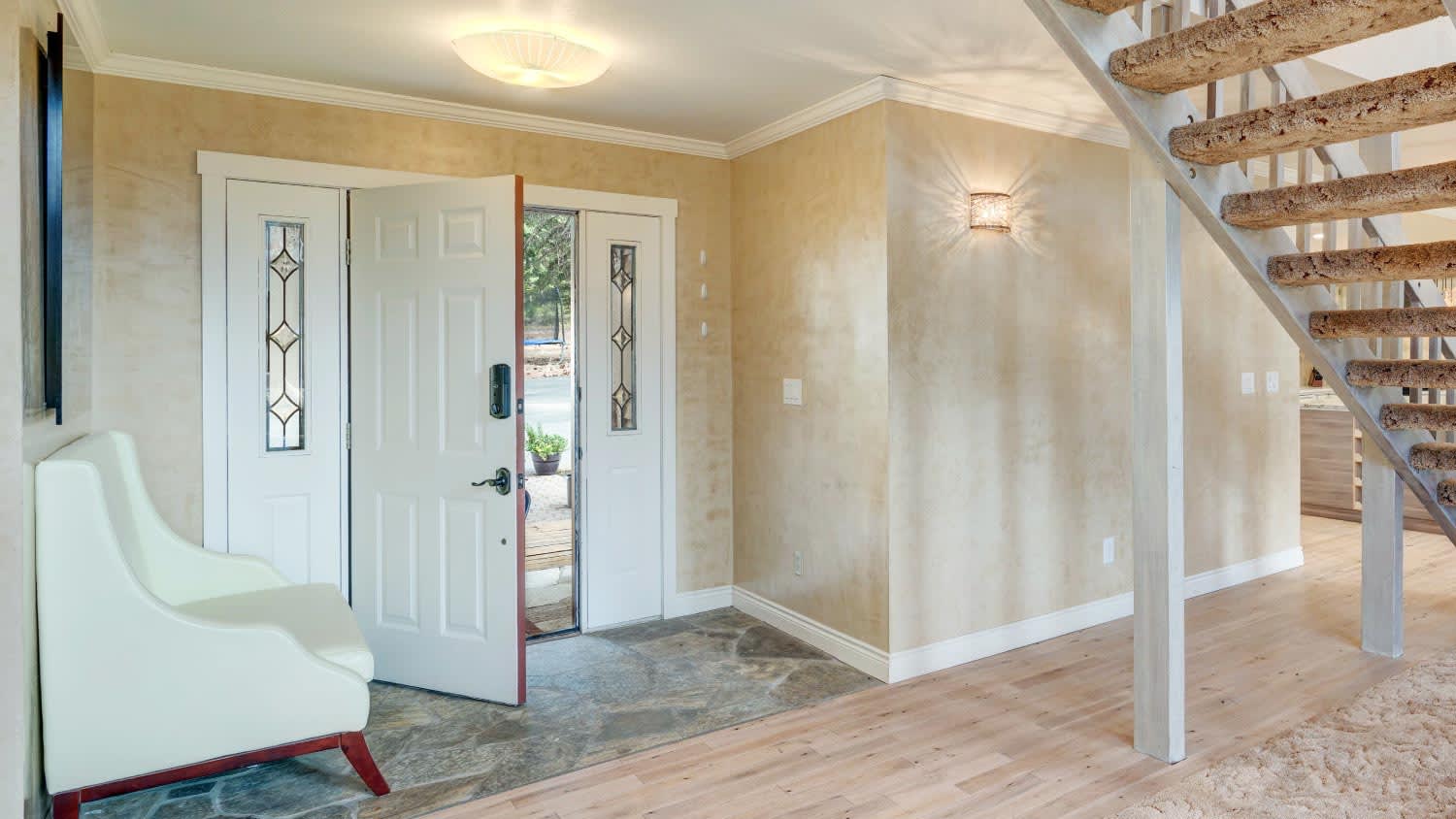
Venetian plaster can add depth and texture to your aesthetic. Learn how much Venetian plaster costs based on factors like square footage and whether you hire a pro to help.
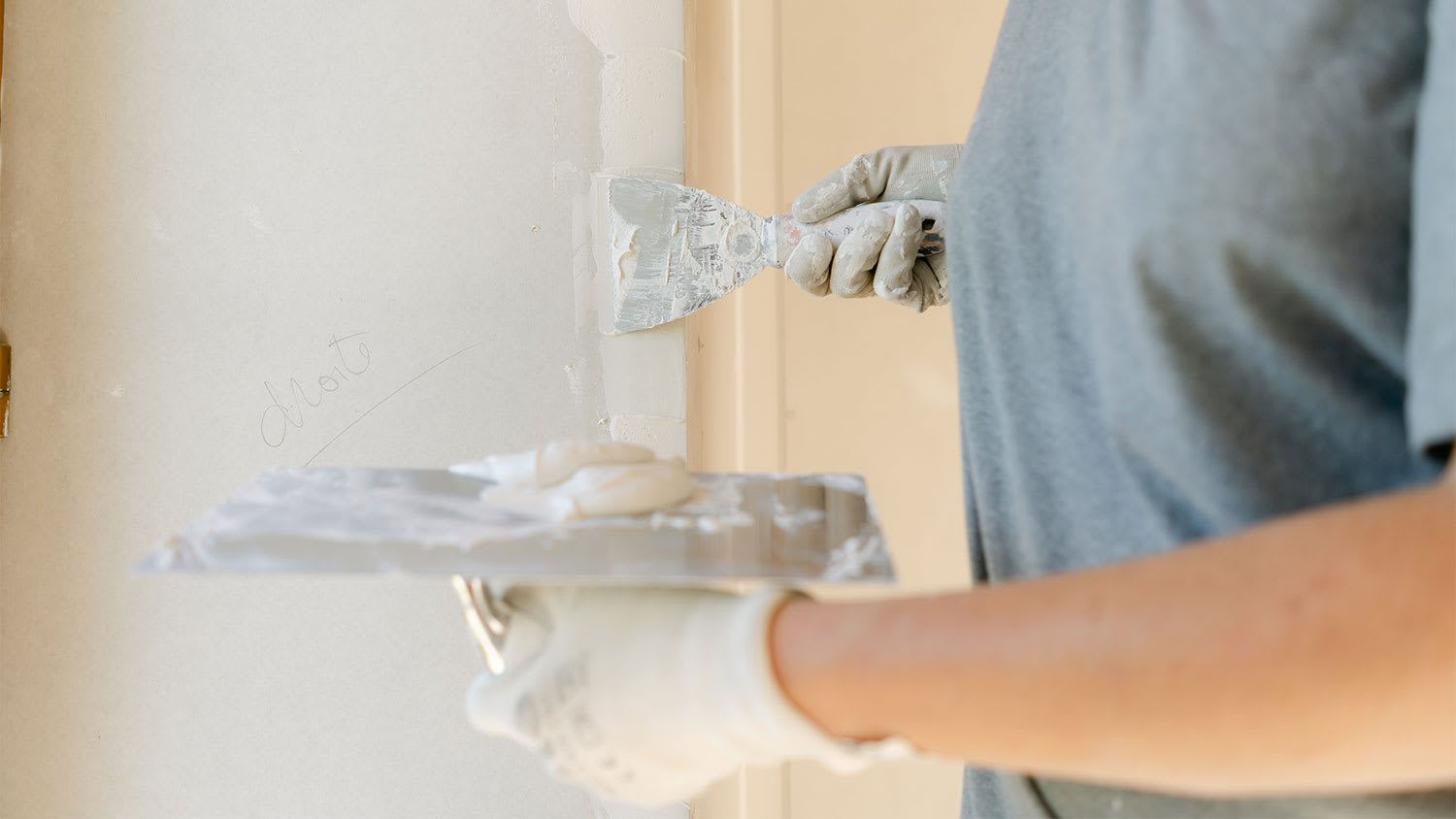
Finding a qualified plaster repair pro? Learn how to hire the right specialist, what questions to ask, and what to expect for your project.
Planning a plaster repair project? Learn about the process, average costs to expect, and how to hire the right local pro to restore your walls.

You can find plaster walls in a lot of older homes. What’s behind these walls—whether that’s lath or calcimine—can have an impact on how long they last. Finding out the age of your house can help you determine what you’re dealing with.