




Top-rated electricians.

Get matched with top electricians in Conway, MI

Enter your zip and get matched with up to 5 pros

Need a pro for your electrical service project in Conway, MI?

Select your specific project to find the pro for you.

TRUSTED BY CONWAY, MI HOMEOWNERS

  • Average homeowner rating star icon4.5
    Average homeowner rating
  • Verified reviews icon81
    Verified electrical services reviews

Find Electricians in Conway

Avatar for Tanner Electric, Inc.
Tanner Electric, Inc.
5.0(
49
)

Serving Conway, MI and surrounding areas

Approved

In business since 2013

Free estimates

Emergency services offered

"They took care of electrical problems I had in two lights at my rental house the same day I called them. My tenant was very pleased with the timely results. I will look to them again for future electrical work."
Response time1 day
1 neighbors recently requested a quote
Recommended by100%of homeowners

Avatar for Neli Virtual Appliance Repair
Neli Virtual Appliance Repair
4.2(
656
)

Serving Conway, MI and surrounding areas

Approved

In business since 2016

Free estimates

Warranties offered

"The problem turned out to be a burned out small electric door switch. I believe the price was way too expensive for the service performed and the price of the door switch. What more can I say? It got done."
Additional Photos
Additional Photos
Additional Photos
Additional Photos
Additional Photos

+2

Response time1 day
Recommended by88%of homeowners
J's
New to Angi

Serving Conway, MI and surrounding areas

Approved

Hi, I’m Jason 🛠️\nI’m a retired 20-year service veteran turned local handyman serving the Northern Michigan community. Combining a military work ethic with a deep background in carpentry, I’m here to tackle your home to-do list with precision and care. From minor repairs to custom woodwork, no job is too small. If you're looking for a dependable, skilled, and honest professional to help around the house, let’s chat!

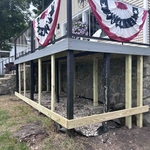
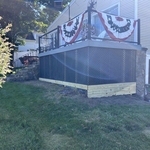
Deck repair
Deck repair
Showing 1-10 of 43
Electrical questions, answered by experts

The lifespan of an average breaker box is 25 to 40 years, depending on the type and electrical events that occur in your home. Frequent power outages or surges can cause the breaker box’s lifespan to shorten. Maintain this essential electrical component by avoiding turning it off and inspecting it regularly for signs of damage.

Window AC units use a fair amount of electricity, but significantly less than central AC systems. Because they are more energy-efficient for cooling individual rooms or small spaces, their usage is comparatively low. On average, a window AC unit consumes between 500 and 1,400 watts, while a central AC system uses over 3,500 watts—meaning a window unit uses about one-third of the energy. This typically translates to a monthly running cost of $15 to $40, although this can vary depending on external factors.

The number of outlets and lights you can safely run on a single circuit depends on the circuit's amperage and local electrical codes. A general rule is to allow one outlet or light fixture per 1.5 amps, keeping the total load under 80% of the circuit breaker's capacity. For example, a 15-amp circuit can typically support up to eight outlets or lights, while a 20-amp circuit can accommodate up to ten. Always consider the combined power usage of all connected devices and fixtures to prevent overloading. For specific guidelines and to ensure safety, it is best to consult local electrical codes or a licensed electrician.

By nature, two-prong outlets aren't grounded—but the box they run to might be, which makes them safer. The safest way to test if an outlet is grounded is to purchase a circuit tester, which cost about $20 at home improvement stores. 

If you discover your outlet (or outlets) aren't grounded, know that this greatly increases your risk of personal injury and electrical fires. You may want to consider installing new three-prong ground fault circuit interrupter (GFCI) outlets. On average, the cost to install GFCI outlets is about $210 per outlet.

The Occupational Safety and Home Administration (OSHA) requires an electrical panel to have a minimum of three feet (36 inches) of room from the front of the panel to the closest obstacle. In this case, the word obstacle refers to nearly everything, including walls, machines, and other fixed objects. Additionally, panels require at least 6½ feet of headroom in the area directly in front of the fixture. These requirements help ensure safe use of the panel and allow electricians plenty of room to work.

The Conway, MI homeowners’ guide to electrical services

From average costs to expert advice, get all the answers you need to get your job done.