






Top-rated generator install pros.

Get matched with top generator install pros in Conway, MI

Enter your zip and get matched with up to 5 pros

Need a pro for your generator install project in Conway, MI?

Select your specific project to find the pro for you.

Find Generator install pros in Conway

Avatar for Tanner Electric, Inc.
Tanner Electric, Inc.
5.0(
49
)

Serving Conway, MI and surrounding areas

Approved

In business since 2013

Free estimates

Emergency services offered

"They came out when they said they would and looked at the project gave me a complete proposal and did the project when they said they would all was good."
Response time1 day
2 neighbors recently requested a quote
Recommended by100%of homeowners
Avatar for UP Solar and Electric
UP Solar and Electric
5.0(
4
)

Serving Conway, MI and surrounding areas

In business since 2022

Free estimates

Credit card accepted

"We are very pleased with the work that was done. We had recently put up a Pole Barn. UP Electrical and solar came right out and gave us a very reasonable quote and got the job done very soon after. We were very happy with the work."
My jobs
My jobs
My jobs
My jobs
My jobs

+3

Response time6 hrs
Recommended by100%of homeowners
Avatar for Blue Waters Electric, LLC
Blue Waters Electric, LLC
4.2(
5
)

Serving Conway, MI and surrounding areas

In business since 2023

Free estimates

Credit card accepted

"Exceptional customer service. Always timely and knowledgeable with answering questions. Was able to schedule our new build very quickly and got the job done to a high standard. Highly recommend Blue Waters Electric!"
Response time2 hrs
Recommended by100%of homeowners

Generator Install questions, answered by experts

Generators are safe to use as long as they are installed and operated correctly according to the manufacturer's recommendations. The most critical safety tips are to never use a portable or fuel-powered generator inside an enclosed space due to the risk of lethal carbon monoxide poisoning; always operate it outdoors where fumes can dissipate away from your home. Additionally, never attempt to connect a generator to your home’s electrical panel yourself—hire a professional to ensure the setup meets safety standards. Finally, avoid overloading the generator by not connecting more appliances than it is rated for, as this can damage your equipment or cause a fire.

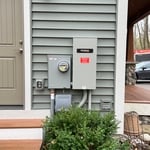
Yes, in some locations, it is required by the National Electric Code (NEC) to have a transfer switch installed for electrical emergencies. In addition to following electrical code, generator transfer switches ensure your home is fully protected during a power outage. By switching the power from the main breaker to the generator breaker, you can seamlessly operate your HVAC, lights, appliances, devices, and more during an emergency. 

No, you should never plug a generator directly into a wall outlet in your house. This practice is extremely dangerous, often illegal, and can cause "back-feeding," where power from the generator flows back into utility lines, creating a life-threatening hazard for utility workers. It can also damage your home's electrical system, including appliances like pumps and HVAC fans. If the main power is restored while the generator is connected, it can destroy the generator and cause an electrical fire. To safely connect a generator, you must use a professionally installed transfer switch or an interlocking kit, which prevents back-feeding by disconnecting your home from the utility grid before the generator provides power.

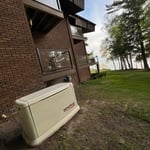
Whole-house generators need to be installed on level ground several feet away from walls and other objects. Because they tap into the electrical system directly, they usually need to be close to your home electrical panel for a transfer switch installation. It also helps with installation if they are near to a gas line or propane tank installation.

It is safe to run a generator continuously, but you must follow safety protocols to ensure personal and home safety. Read the manufacturer’s instructions for specific recommendations, but the general recommendation is to turn generators off overnight or when you’re away from the house. Overworked generators can pose a fire hazard and if your generator is not in a well-ventilated area, running it continuously could lead to carbon monoxide poisoning.

The Conway, MI homeowners’ guide to generator installs

From average costs to expert advice, get all the answers you need to get your job done.