Get matched with top electricians in Boyne Falls, MI

Boyne Falls homeowners rate electricians in our network

4.5

(67 reviews)

Top-rated electricians.

Need a pro for your electrical service project in Boyne Falls, MI?

Select your specific project to find the pro for you.

Find Electricians in Boyne Falls

Avatar for Chain O'Lakes Electric LLC
Chain O'Lakes Electric LLC
5.0(
16
)

Serving Boyne Falls, MI and surrounding areas

Approved

Super Service Award Winner

In business since 2021

Emergency services offered

Credit card accepted

"Reliable honest company who will get the job done with friendly customer service. Small or large job, I would recommend Chain Oâ Lakes Electric to anyone looking for the best service in the area."
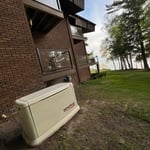
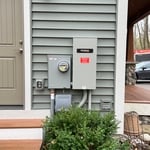
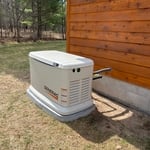
Generator install
Generator install
Generator install
Generator install
Electrical projects

+14

Response time7 hrs
8 neighbors recently requested a quote

Recommended by43%of homeowners
Avatar for Neli Virtual Appliance Repair
Neli Virtual Appliance Repair
4.2(
651
)

Serving Boyne Falls, MI and surrounding areas

Approved

In business since 2016

Free estimates

Warranties offered

"The problem turned out to be a burned out small electric door switch. I believe the price was way too expensive for the service performed and the price of the door switch. What more can I say? It got done."
Additional Photos
Additional Photos
Additional Photos
Additional Photos
Additional Photos

+2

Response time1 day
2 neighbors recently requested a quote

Recommended by89%of homeowners
Showing 1-10 of 37
Electrical questions, answered by experts

An average, 400-square-foot electric heated driveways consume approximately $3 per hour in terms of electricity. The price may slightly fluctuate depending on your local energy cost. A simple formula to calculate your heated driveway’s total wattage consumption is by multiplying the square footage by 50 watts and then dividing it by 1,000 to get the kilowatt number. Multiply that with your local energy cost per hour and there you have the hourly operating cost.

A light switch can stop working for several reasons. Typical causes include a blown fuse or tripped circuit breaker, both of which shut off power to the switch. Worn-out or faulty internal switch components can also prevent it from functioning properly. Loose or disconnected wiring within the switch or electrical box is another frequent issue. Additionally, switches may fail due to age, excessive use, or physical damage. In some cases, problems with the light fixture or bulb itself might be mistakenly attributed to the switch.

Multiple wire sizes are used for residential electrical purposes. While the most common sizes used in homes are 14 and 12 gauge, some appliances, such as stoves, electric water heaters, central air units, etc., may use larger gauge wire to accommodate their larger amperage. Typically, larger appliances require 10-, 8-, or 6-gauge wires.

A portable generator can supply power to selected appliances and circuits in a home, but it's generally not designed to handle the entire household's electrical needs simultaneously. Portable generators have limited wattage capacity, so they are only designed to power essential devices and electronics temporarily until local power is restored. If your power needs outweigh the capabilities of a portable generator, consider installing a whole-home generator instead.

Light switches can last for decades when installed and maintained correctly. Improper wiring, heavy wear and tear, or too much wattage draw can cause light switch failure long before the expected end of a light switch’s life. Light switches that are hot to the touch, making a buzzing noise, or failing to work consistently should be inspected to find and repair the underlying cause.

The Boyne Falls, MI homeowners’ guide to electrical services

From average costs to expert advice, get all the answers you need to get your job done.