
Top-rated electricians.

Get matched with top electricians in Boyne City, MI

Enter your zip and get matched with up to 5 pros

Need a pro for your electrical service project in Boyne City, MI?

Select your specific project to find the pro for you.

TRUSTED BY BOYNE CITY, MI HOMEOWNERS

  • Average homeowner rating star icon4.5
    Average homeowner rating
  • Verified reviews icon68
    Verified electrical services reviews

Find Electricians in Boyne City

Avatar for Chain O'Lakes Electric LLC
Chain O'Lakes Electric LLC
5.0(
16
)

Serving Boyne City, MI and surrounding areas

Approved

Super Service Award Winner

In business since 2021

Emergency services offered

Credit card accepted

"Reliable honest company who will get the job done with friendly customer service. Small or large job, I would recommend Chain Oâ Lakes Electric to anyone looking for the best service in the area."
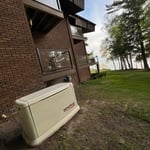
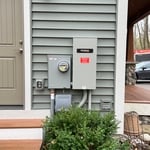
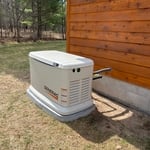
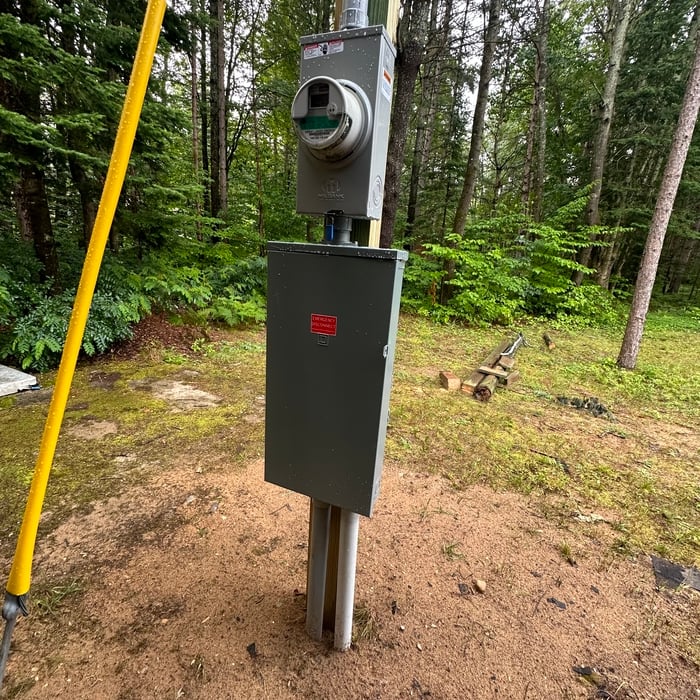
Generator install
Generator install
Generator install
Generator install
Electrical projects

+14

Response time7 hrs
6 neighbors recently requested a quote

Recommended by43%of homeowners
Avatar for Neli Virtual Appliance Repair
Neli Virtual Appliance Repair
4.2(
651
)

Serving Boyne City, MI and surrounding areas

Approved

In business since 2016

Free estimates

Warranties offered

"The problem turned out to be a burned out small electric door switch. I believe the price was way too expensive for the service performed and the price of the door switch. What more can I say? It got done."
Additional Photos
Additional Photos
Additional Photos
Additional Photos
Additional Photos

+2

Response time1 day
Recommended by89%of homeowners
J's
New to Angi

Serving Boyne City, MI and surrounding areas

Approved

Hi, I’m Jason 🛠️\nI’m a retired 20-year service veteran turned local handyman serving the Northern Michigan community. Combining a military work ethic with a deep background in carpentry, I’m here to tackle your home to-do list with precision and care. From minor repairs to custom woodwork, no job is too small. If you're looking for a dependable, skilled, and honest professional to help around the house, let’s chat!

Showing 1-10 of 40
Electrical questions, answered by experts

When wiring a switch, the power typically comes into the receptacle first. The neutral wire goes straight to the outlet, while the hot wire is split. You'll need a wire nut to splice the hot wire back to one of the receptacles, but you will also tie another wire into that same wire nut and run to the switch. That way, you can control the flow of electricity to that particular receptacle by turning the switch on and off.

Yes, a water leak poses a major fire risk at your home because water is a conductor of electricity. Water that comes into contact with sparks or electrical wires can instantly ignite flammable materials. Additionally, any type of exposure to water can cause wires and other electrical components within your home to corrode. When assessing categories of water damage, it's important to know that even a small amount of moisture near wiring could cause sparks that lead to a fire.

A light switch can stop working for several reasons. Typical causes include a blown fuse or tripped circuit breaker, both of which shut off power to the switch. Worn-out or faulty internal switch components can also prevent it from functioning properly. Loose or disconnected wiring within the switch or electrical box is another frequent issue. Additionally, switches may fail due to age, excessive use, or physical damage. In some cases, problems with the light fixture or bulb itself might be mistakenly attributed to the switch.

The safest way to pull an electrical cord from the wall outlet is by gently but firmly grabbing the plug and pulling it out. Pulling on the cord instead of the plug can cause damage to the cord, leading to an increased risk of electrical problems like fire or electric shock. If you notice damaged wiring on an appliance or device, it’s best to stop using it immediately.

The American Wire Gauge system calculates wire size diameters using the complicated formula D(AWG)=.005·92((36-AWG)/39) inch. A simpler rule of thumb is that every six-gauge decrease doubles the wire diameter, and every three-gauge decrease doubles the wire’s cross-sectional area. On the other hand, wavenumbers are typically measured in reciprocal meters (1/m or m−1) or reciprocal centimeters (1/cm or cm−1).

The Boyne City, MI homeowners’ guide to electrical services

From average costs to expert advice, get all the answers you need to get your job done.