




Top-rated landscapers.

Get matched with top landscapers in Colon, MI

Enter your zip and get matched with up to 5 pros

Need a pro for your landscaping project in Colon, MI?

Select your specific project to find the pro for you.

Find Landscapers in Colon

Avatar for Accent landscaping
Accent landscaping
New to Angi

Serving Colon, MI and surrounding areas

Approved

Free estimates

Warranties offered

Small jobs welcome

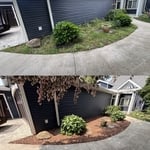
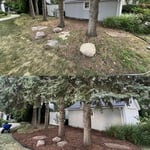
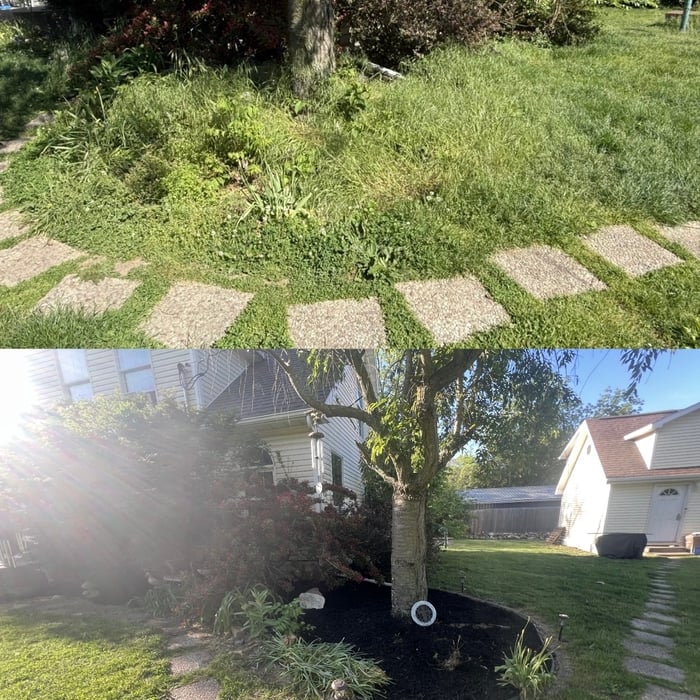
Accent landscaping provides top notch services that include decorative concrete garden bed edging,stone/mulch,custom landscaping needs and turf installation and snow service

4 neighbors recently requested a quote
Alonso Castaneda
New to Angi

Serving Colon, MI and surrounding areas

Approved

Small jobs welcome

Kalamazoo-based handyman and remodeling service focused on solid work and honest service. I handle everything from small repairs to full upgrades—carpentry, decks and pergolas, drywall, flooring, and general home improvements. I take pride in clean, quality work and making sure every job is done right. Easy to work with, reliable, and always focused on results that actually last.

7 neighbors recently requested a quote
...
Showing 1-10 of 139
Landscaping questions, answered by experts

The best time to plant a tree is in the spring, so the roots have time to grow into the surrounding soil before winter sets in. Some people recommend planting in the late fall. However, planting in the spring reduces the stress on the tree, as it will be emerging from dormancy, giving it the full spring and summer ahead to acclimate and put down roots into the soil.

Determining how many boulders you’ll need for your landscaping project depends on the area you need to cover and how big each boulder is. First, you’ll need to determine how big of an area you want covered, then divide that by the base surface area of the boulders. A landscape professional can help you determine how many boulders will be right for your project.

While you can leave roots in the ground, if you don’t want the shrub to regrow again over time, it’s best not to leave any roots behind. Ensure you remove as much of the shrub as possible, including the root ball and any main roots you can see, to prevent new growth. Some gardeners opt for using a chemical treatment to prevent the stump from growing back, but this can kill beneficial microorganisms living in your soil.

Yes, you can absolutely transplant bushes instead of removing them completely. The success depends on the size of the bushes, their age, and the transplanting season. Ideally, transplant during the dormant season (late fall or winter). Dig out the entire root system in one piece, fill the new hole with fresh soil and mulch, and water thoroughly after planting.

As much as you might try to keep a healthy, nutrient-rich lawn, you still may notice signs of St. Augustine decline (SAD)—a viral disease that discolors your grass blades. St. Augustine decline looks like:

  • Discoloration in the leaves (chlorosis)—leaves appear yellow and splotchy

  • Decline in growth

  • Leaves turn black within 3 years

  • Grass appears less vibrant

  • Grass begins to thin

  • Root rot

  • Grass takes longer to recover

The Colon, MI homeowners’ guide to landscaping services

From average costs to expert advice, get all the answers you need to get your job done.