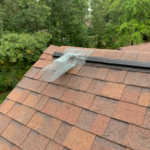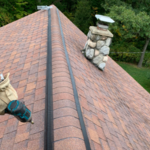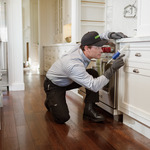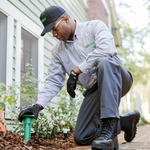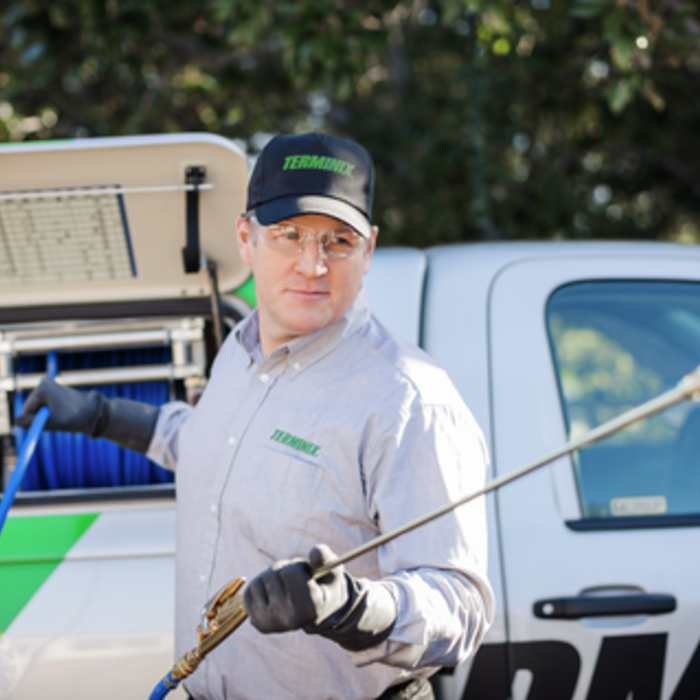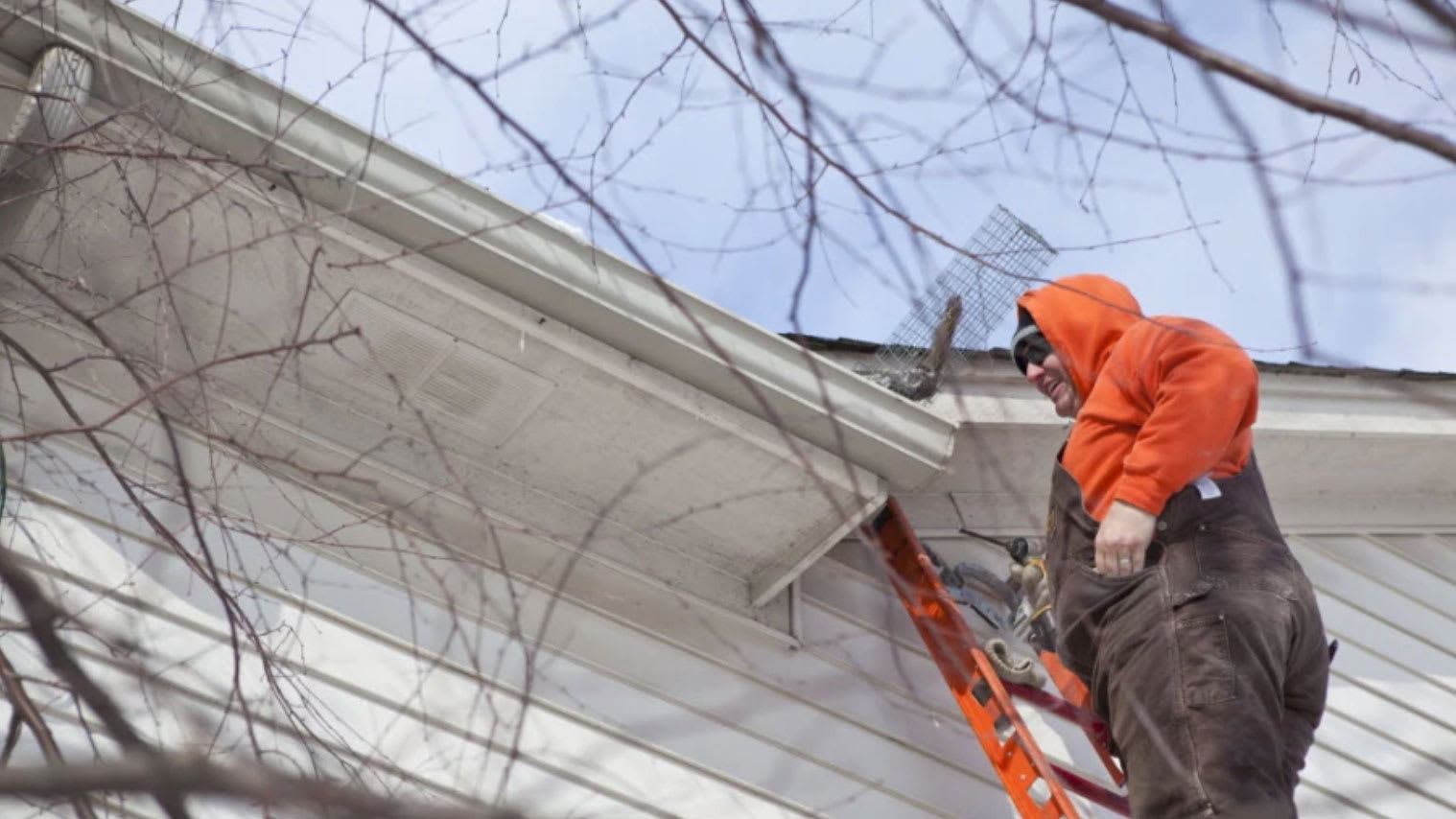





Top-rated animal removal specialists.

Get matched with top animal removal specialists in Clinton, MI

Enter your zip and get matched with up to 5 pros

Need a pro for your animal removal project in Clinton, MI?

Select your specific project to find the pro for you.

TRUSTED BY CLINTON, MI HOMEOWNERS

  • Average homeowner rating star icon4.5
    Average homeowner rating
  • Verified reviews icon11
    Verified animal removal services reviews

Find Animal removal specialists in Clinton

Avatar for Savage's Services
Savage's Services
4.6(
57
)
Pest Control - Birds and BatsPest Control - Small Animals

Serving Clinton, MI and surrounding areas

In business since 2014

"I am very satisfied and would definitely recommend his services to others. Services were performed in a timely manner and they cleaned up nicely. I feel their prices were fair and reasonable."
OUR WORK
OUR WORK
OUR WORK
OUR WORK
OUR WORK

+4

Response time1 day
Response rate91%
Recommended by100%of homeowners
Showing 1-10 of 12
Animal Removal questions, answered by experts

Raccoons should be removed in most cases, especially when they’ve made their way indoors. Even if they seem harmless, raccoons are wild animals that can damage your property and potentially harm you, your family, and your pets. As soon as you notice signs of raccoons on your property, address the situation by securing your garbage and consulting a pro.

Raccoons in a chimney sound like thumping, rustling, scratching, or scurrying. Because they can weigh as much as 20 pounds, they make noises that are noticeable and hard to miss. Plus, they have an average litter size of 3 to 7 kits, so you may hear what sounds like multiple animals thumping, rustling, scratching, or scurrying.

Small animals, particularly rats and mice, like to burrow inside pool heaters. To keep them out, seal any entry points with caulk or steel wool. Then, place mothballs inside or around your pool heater. As a final measure of protection, you can cover the pool heater in hardware cloth or wood paneling to further block entry points.

When relocating, release a groundhog at least 5 miles from the capture site. This distance helps ensure that the groundhog does not return to your property. Make sure to relocate it to a suitable habitat, such as a wooded area or a place with plenty of ground cover, to increase its chances of survival without disrupting existing wildlife. Additionally, always check local regulations, as relocating wildlife may be restricted or require a permit in some areas.
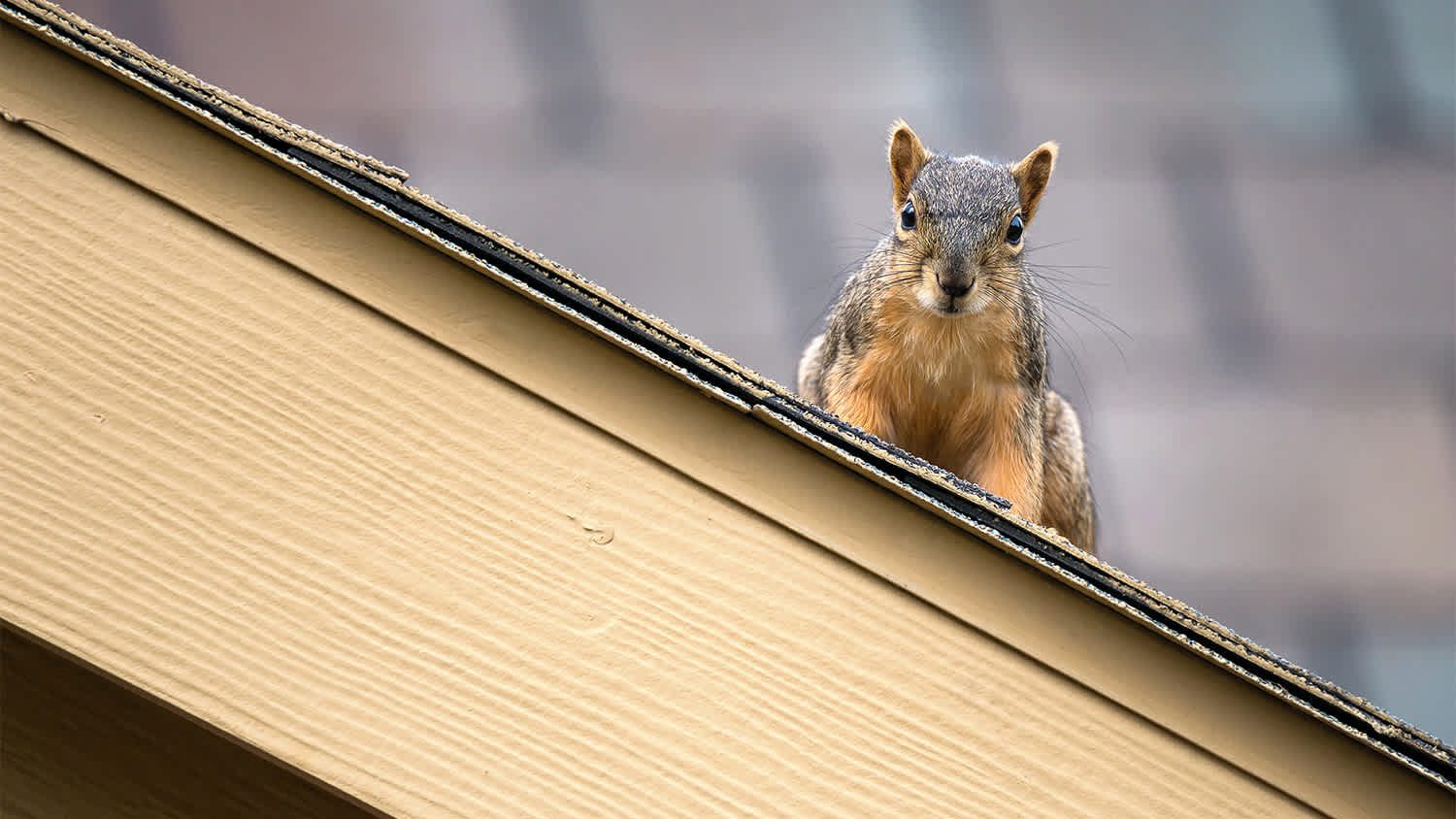
Besides using the best bait for an opossum trap, other things that can attract them to enter include covering the base with soil or leaf litter and placing it along their path of travel near the denning spot. Leave the trap out overnight, as opossums are nocturnal animals, and check the trap daily.

The Clinton, MI homeowners’ guide to animal removal services

From average costs to expert advice, get all the answers you need to get your job done.