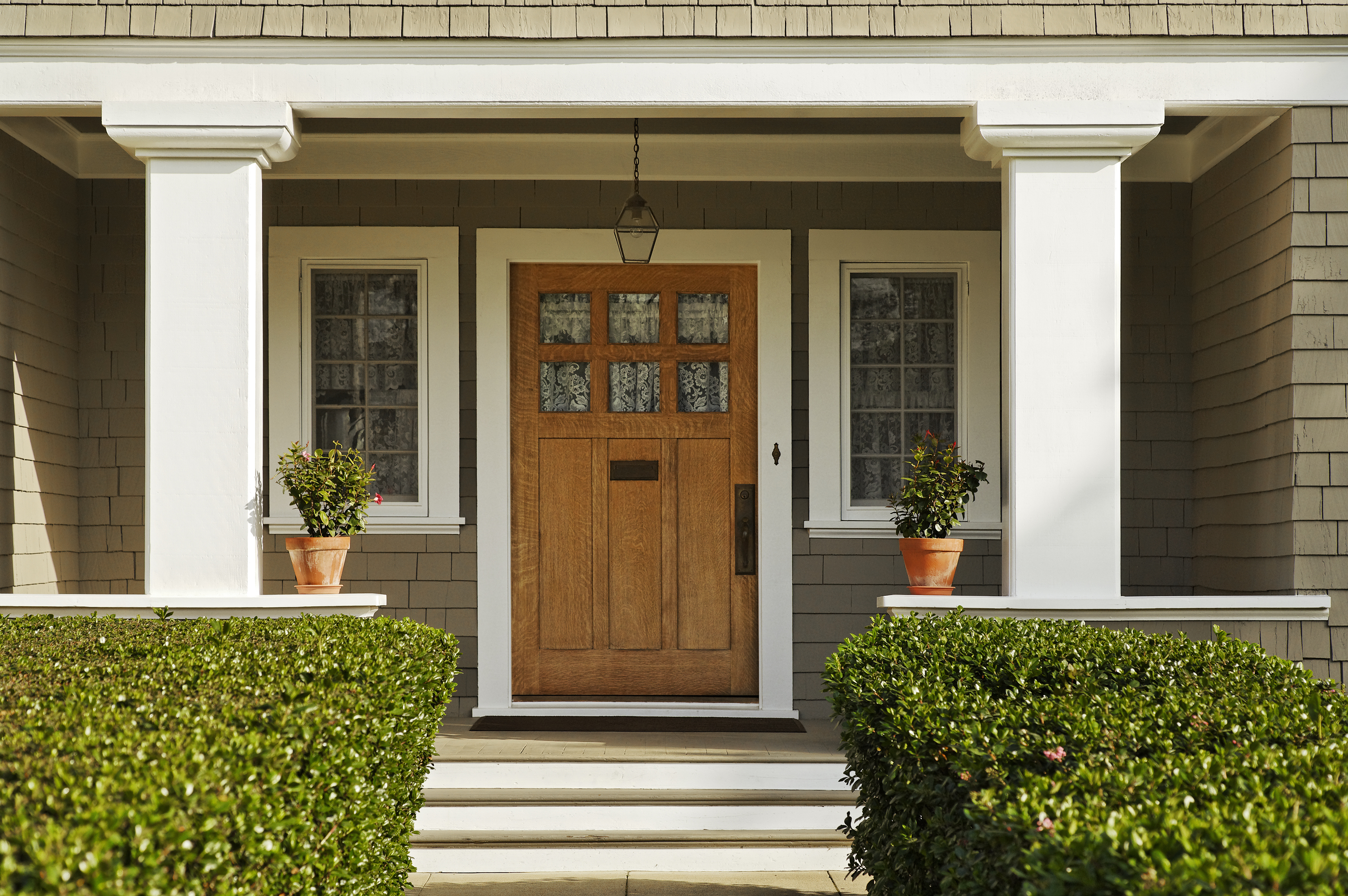








Top-rated door pros.

Best door pros near Caseville, MI

Enter your zip and get matched with up to 5 pros

Need a pro for your door service project in Caseville, MI?

Select your specific project to find the pro for you.

Top-Rated Door pros in Caseville - Updated Nov 2026

Avatar for Sears Home Improvement - Doors
Sears Home Improvement - Doors
2.1(
57
)
Doors (Exterior) - Install or Replace

Serving Caseville, MI and surrounding areas

In business since 1893

Free estimates

Warranties offered

Make a lasting impression with a new Entry Door from Sears. ENERGY STAR� rated custom entry doors provide security, peace of mind and energy efficiency. \n \n \n* Ask About 12 months no interest \n (If paid in full within 12 months)

Before
After
Recommended by65%of homeowners

Showing 1-10 of 32
Doors FAQs, answered by experts

When choosing between an inward- or outward-swinging door, there’s no right answer. Inward-swinging doors are great for avoiding debris and keeping hinges inside for added security. Alternatively, outward-swinging doors can give you more space inside your home, and some homeowners feel they’re harder to force open. Ultimately, neither is “better,” but a door expert can help you figure out which fits your needs.

Generally, hinged French patio doors are considered more secure than sliding glass doors. French doors typically feature a more robust, solid frame that can support multi-point locking systems and deadbolts, securing the door at several points and making them harder to break into. In contrast, sliding doors often rely on a single lock and operate on tracks, which can be a security vulnerability. While you can add security bars and other features to enhance a sliding door's security, a well-made French door is often more secure on its own. Ultimately, the overall security of any patio door depends on the quality of its materials, the locking hardware, and proper installation.

The best direction for a gate to swing depends on its location and purpose, but swinging inward is the general rule. An inward swing is often considered safer, prevents the gate from opening into public spaces like a sidewalk, and may be required by local building codes.

There are exceptions and specific considerations. If your property is on a slope, an inward swing might not be possible. For a deck gate, it's safest to have it swing away from any steps. In a backyard, the direction can be a matter of preference, though an inward swing can be helpful when carrying heavy items like a wheelbarrow into a garden.

Regardless of direction, ensure the gate can open fully without hitting any objects or blocking spaces. While an inward swing is standard, a gate that can swing both in and out offers the most flexibility if your setup allows for it.

You want plenty of room between your pre-hung door and the framing in your wall to allow for shimming to get the door into the perfect position, so aim for about 1 inch on the top and both sides. That means you should make your rough opening about 1 inch taller and 2 inches wider than your pre-hung door. You’ll then use shims to stabilize and level the door before installing it.

While not strictly required, it is highly recommended to shim both sides of a door. Shimming both sides allows you to make minor adjustments for wall framing that isn't perfectly plumb, ensuring the door is level and hangs evenly. This practice helps the door swing open and close smoothly, reduces the chances of the frame warping, and can be used to center the door within the wall opening. If you are working alone, you may find it easier to remove the door slab to lighten the weight while supporting the frame and inserting the shims. With two people, the process is generally faster and easier, whether the slab is left in place or not.

The Caseville, MI homeowners’ guide to door services

From average costs to expert advice, get all the answers you need to get your job done.