
Top-rated arborists.

Best arborists near Beverly Hills, MI

Enter your zip and get matched with up to 5 pros

Need a pro for your arboricultural service project in Beverly Hills, MI?

Select your specific project to find the pro for you.

TRUSTED BY BEVERLY HILLS, MI HOMEOWNERS

  • Average homeowner rating star icon4.4
    Average homeowner rating
  • Verified reviews icon1.5k+
    Verified arboricultural services reviews

Top-Rated Arborists in Beverly Hills - Updated Nov 2026

Bladimir Tree Service
5.0(
23
)
Tree RemovalTree TrimmingTree Removal - For Business+3 more

Serving Beverly Hills, MI and surrounding areas

Approved

In business since 2023

Free estimates

Credit card accepted

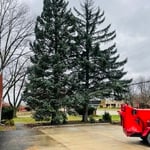
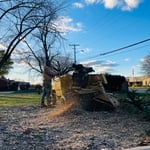
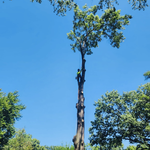
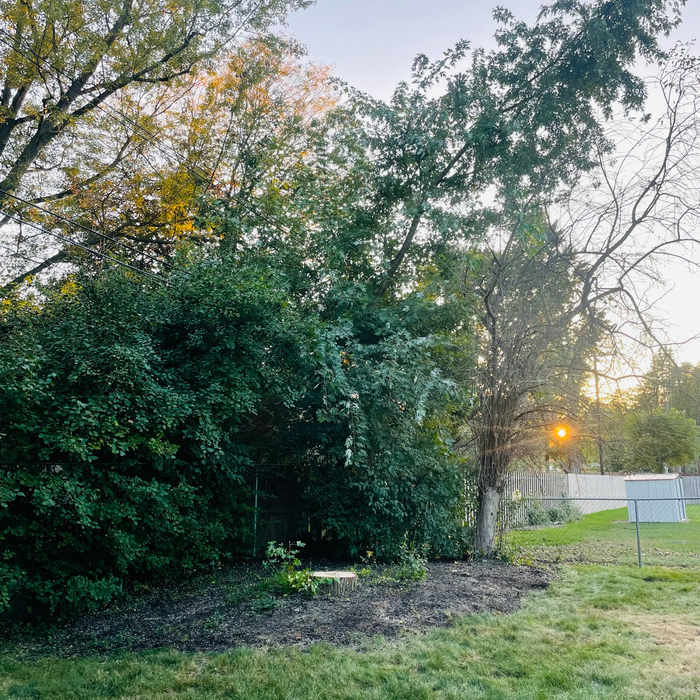
"I highly recommend Bladimir Tree Service the work he and his crew provided my family in Lathrup Village. Bladimir responded to my RFQ for multiple tree removals and stump grinding. The quote was provided very timely and was reasonable for the level of work required. One tree was over 60' tall with huge branches, while the other 2 were large overgrown cedar trees. The team showed up punctually and with all their equipment in tow, and after review of the plan, immediately started to work. I did not need to supervise or micro manage, the work was preformed efficiently, safely, and orderly. The cleanup was marvelously done, and grinding was to specification. No complaints, only praise and kudos for this hard working crew. I absolutely would hire Bladimir should I need future tree services."
8 neighbors recently requested a quote
Recommended by78%of homeowners

Avatar for Garcia Landscape & Tree Service LLC
Garcia Landscape & Tree Service LLC
5.0(
28
)
Tree RemovalTree TrimmingTree Removal - For Business

Serving Beverly Hills, MI and surrounding areas

Approved

In business since 2024

Free estimates

Emergency services offered

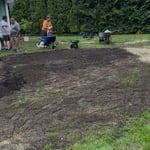
"Alex came out for the estimate. Professional in every way. Good/ Fair price for tree & stump removal. The crew was quick to arive and remove the tree & debris with the stump grind a couple days after. Very happy with the overall experience. Have already recommended them for their tree services."
Tree Service
Tree removal
Tree removal
Tree removal
14 neighbors recently requested a quote
...
Showing 1-10 of 360
Arborists FAQs, answered by experts

Whether you should remove the roots of a dead tree depends on whether they’re damaging nearby areas. For instance, if the roots continue to grow near sidewalks, driveways, or the foundation of your home, they can cause damage. If you want to plant something else in that spot, removing the roots can make it easier for the new tree or plant to grow.

Yes, it’s okay to trim low branches on a tree, also known as limbing up or raising the crown. Essentially, you’ll trim the lower third of the tree (trunk) and leave the upper two-thirds of the tree (crown). Arborists recommend trimming 20% of a tree’s leaves per season for two to three seasons. Trimming low branches allows light to flow through the tree, increasing circulation and making the tree stronger and healthier.

There are several signs that may indicate a tree needs to be cut down. These include visible damage to the trunk or branches, a hollow trunk, extensive storm damage, or a significant lean to one side. Other warning signs are pest infestations or the tree growing too close to a house, power lines, or other structures. It is best to hire a professional arborist to inspect the tree, as they can determine if it can be saved or if removal is necessary.

In some states and municipalities, you will need a permit to remove a tree on your property. In many cases where permits are required, a tree must reach a maximum height before a permit is required to remove it. You can either ask your local building department or a tree removal professional if you’ll need a permit. If you do, you can expect to pay between $50 and $150 for the permit alone. Your tree removal company should pull the permit for you and include the permit fee in your total.

In most ways, palm trees are incredibly low-maintenance. They don’t need a ton of water—which is why they’re so beloved in desert regions—and they basically prune themselves. But they do need an ample supply of sunlight and to be in soil that will allow for proper drainage so that their roots don’t become waterlogged and at risk of developing illnesses.

If the plant begins to wilt, develop spots, or change color, these could all be signs that your palm tree has a disease. But a few basic treatments, like pruning and applying fungicide, will usually be more than enough to return it to perfect health.

The Beverly Hills, MI homeowners’ guide to arboricultural services

From average costs to expert advice, get all the answers you need to get your job done.