






Top-rated generator install pros.

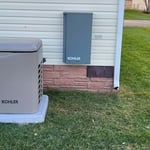
Get matched with top generator install pros in Belleville, MI

Enter your zip and get matched with up to 5 pros

Need a pro for your generator install project in Belleville, MI?

Select your specific project to find the pro for you.

TRUSTED BY BELLEVILLE, MI HOMEOWNERS

  • Average homeowner rating star icon4.7
    Average homeowner rating
  • Verified reviews icon27
    Verified generator installs reviews

Find Generator install pros in Belleville

XPower Electric LLC
5.0(
5
)
Fixed Generator - InstallGenerator - Install - For BusinessPortable Generator - Install

Serving Belleville, MI and surrounding areas

Approved

Free estimates

Credit card accepted

Offers commercial services

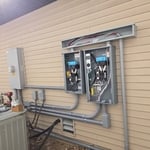
XPower Electric provides professional electrical installations and upgrades across Metro Detroit. We are licensed and insured, delivering safe, code-compliant results with clean and organized installations.\n\nWe specialize in panel upgrades, service changes, EV charger installations, generator connections, lighting, and troubleshooting. Every job is handled with attention to detail and clear communication from start to finish.\n\nOur goal is simple — get it done right the first time and make the process easy for you.

16 neighbors recently requested a quote
Avatar for Generator Supercenter of Detroit
Generator Supercenter of Detroit
4.0(
9
)
Fixed Generator - InstallFixed Generator - Repair

Serving Belleville, MI and surrounding areas

In business since 2007

Free estimates

Credit card accepted

"Professional and knowledgeable company who takes pride in their customer service and product. They installed a cold weather kit, took care of annual maintenance and now monitor our generator 24hours a day. Gives us piece of mind on our investment."
Office
Office Display
Inventory
Response time1 day
Response rate98%
Recommended by75%of homeowners
Showing 1-10 of 39
Generator Install questions, answered by experts

To determine the right size generator for your house, you should calculate the total wattage of the appliances and devices you want to power during an outage. List all essential items, note their start-up wattages, and add them together.

Here are some typical wattage requirements for common appliances:

  • Refrigerator: 600 watts

  • Large dehumidifier: 700 watts

  • Large window air conditioner: 1,400 watts

  • Water heater: 3,000 to 4,500 watts

  • Electric furnace: 5,000 to 25,000 watts

A 7,500-watt generator might be sufficient for essentials like a refrigerator, freezer, well pump, and lighting circuits. However, for high-demand items like a water heater or furnace, a whole-home generator is a better choice. A portable generator may be enough if you only need to power a few critical items.

While home square footage can offer a rough estimate, it is not always a reliable indicator. For reference, here are some typical generator sizes based on square footage:

  • 1,000 sq ft: 6–9 kW

  • 1,500 sq ft: 7–10 kW

  • 2,000 sq ft: 10–14 kW

  • 2,500 sq ft: 12–16 kW

  • 3,000 sq ft: 16–20 kW+

For the most accurate sizing, consult a professional who can calculate your home's peak and average power consumption and recommend the optimal generator.

It’s usually better to repair your generator if it isn’t working properly, as it will typically be much more affordable and should yield similar results. Generator repairs cost around $300 on average, while installing a new whole-house generator costs around $5,000 on average. The only exception is if you know your generator is reaching the end of its useful life, usually between 30 and 40 years. If you have an older generator, you could face multiple repairs in the coming years, which might mean that a full replacement will be more cost-effective over time.

As a safety measure, you should always turn off the main breaker while operating your generator’s backup breaker. In addition, you should also switch off all appliance breakers so you don't have a power surge when the main breaker turns back on. And finally, turning off the main breaker prevents back-feeding, which endangers utility workers with the risk of electrocution. Back-feeding could also destroy the electrical circuits of your neighbors if they use the same power network.

With proper maintenance, a whole-house generator can last between 20 and 40 years. The specific lifespan depends on how often and for how long the generator is used, and some models may have their life expectancy rated in hours of operation. To maximize its lifespan, expect to spend around $150 to $300 per year for annual maintenance checks from a qualified technician. During these checks, a technician will inspect the engine filter, starting mechanism, fuel, lubrication, and coolant levels. Consulting your installer and choosing a low-impact fuel like natural gas or diesel can also help ensure your generator lasts as long as possible.

Costs depend on generator type, labor, and additional wiring or transfer switch requirements.

The Belleville, MI homeowners’ guide to generator installs

From average costs to expert advice, get all the answers you need to get your job done.