



Top-rated generator install pros.

Best generator install pros near Trenton, MI

Enter your zip and get matched with up to 5 pros

Need a pro for your generator install project in Trenton, MI?

Select your specific project to find the pro for you.

TRUSTED BY TRENTON, MI HOMEOWNERS

  • Average homeowner rating star icon4.9
    Average homeowner rating
  • Verified reviews icon10
    Verified generator installs reviews

Top-Rated Generator install pros in Trenton - Updated Nov 2026

Avatar for Electrician Near Me LLC
Electrician Near Me LLC
5.0(
15
)
Generator - Install - For Business

Serving Trenton, MI and surrounding areas

Approved

Emergency services offered

Warranties offered

Small jobs welcome

"Andrew came to our house between Ann Arbor and Plymouth at 8 PM on Tuesday when a storm caused an electrical outage. We had a generator but we're only getting partial power in the house. Andrew ran tests inside the house, determining that not enough power was coming into the house. He then started testing different areas of the generator until he found the part not working. Once he located the problem, he quickly fixed it. Because he didn't give up on me or my problem, he restored electricity, saving me hundreds from food spoilage in a refrigerator and freezer. I don't think most electricians would have stuck with the problem or been able or willing to fix the generator. If I could give more than 5 stars, I would."
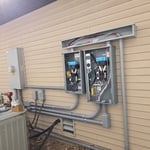
Service panels
Wholehouse Generator
New Panel
New construction
7 neighbors recently requested a quote
Avatar for Superior Comfort LLC
Superior Comfort LLC
5.0(
6
)
Fixed Generator - InstallFixed Generator - RepairGenerator - Install - For Business+1 more

Serving Trenton, MI and surrounding areas

Approved (Corporate)

In business since 2007

Warranties offered

Small jobs welcome

Superior Comfort has been keeping Southeast Michigan homes comfortable since 2007. Based in Flat Rock and serving the Downriver area and beyond, we're a one-call home services company for heating, cooling, plumbing, and electrical. That means you don't have to juggle multiple contractors to take care of your home. We only install items purchased through our company. \n\nOur team handles everything from furnace and AC repair, maintenance, and installation to plumbing repairs, water heaters, and drain and sewer work. We also do trenchless sewer repair (pipe lining and pipe bursting), which fixes your line without tearing up your yard. Our electricians are licensed and on staff, never subcontracted, so you get the same Superior Comfort standard on every job.\n\nFamily comfort, done right. Request a quote from Superior Comfort today.

Drain Snaking
New AC Install
50 neighbors recently requested a quote
Showing 1-10 of 40
Generator Install FAQs, answered by experts

Generators run on a variety of fuel types, ranging from natural gas to solar power. Keep in mind that fuel costs varying by type:

  • Natural gas: $2,000–$21,000 per year 

  • Liquid propane: $2,000–$21,000 per year

  • Diesel: $3,000–$20,000 per year

  • Gasoline: $500–$3,000 per year

  • Solar generator: $2,000–$25,000 per unit

  • Battery backup: $10,000–$25,000 per unit

While the rating will tell you how many watts the refrigerator needs at the peak of its cycle, it requires additional wattage to start. At the bare minimum, you’ll need a 1,500-watt generator to get the fridge up and running after a blackout. A 2,000-watt generator should be sufficient for most home refrigerators.

To determine the right size generator for your house, you should calculate the total wattage of the appliances and devices you want to power during an outage. List all essential items, note their start-up wattages, and add them together.

Here are some typical wattage requirements for common appliances:

  • Refrigerator: 600 watts

  • Large dehumidifier: 700 watts

  • Large window air conditioner: 1,400 watts

  • Water heater: 3,000 to 4,500 watts

  • Electric furnace: 5,000 to 25,000 watts

A 7,500-watt generator might be sufficient for essentials like a refrigerator, freezer, well pump, and lighting circuits. However, for high-demand items like a water heater or furnace, a whole-home generator is a better choice. A portable generator may be enough if you only need to power a few critical items.

While home square footage can offer a rough estimate, it is not always a reliable indicator. For reference, here are some typical generator sizes based on square footage:

  • 1,000 sq ft: 6–9 kW

  • 1,500 sq ft: 7–10 kW

  • 2,000 sq ft: 10–14 kW

  • 2,500 sq ft: 12–16 kW

  • 3,000 sq ft: 16–20 kW+

For the most accurate sizing, consult a professional who can calculate your home's peak and average power consumption and recommend the optimal generator.

No, you should never plug a generator directly into a wall outlet in your house. This practice is extremely dangerous, often illegal, and can cause "back-feeding," where power from the generator flows back into utility lines, creating a life-threatening hazard for utility workers. It can also damage your home's electrical system, including appliances like pumps and HVAC fans. If the main power is restored while the generator is connected, it can destroy the generator and cause an electrical fire. To safely connect a generator, you must use a professionally installed transfer switch or an interlocking kit, which prevents back-feeding by disconnecting your home from the utility grid before the generator provides power.

These advanced generators use a key fob or a smartphone app to remotely start, which is ideal for getting power back on immediately without venturing outside. This feature is more common on whole home generators, but you may be able to find it on large portable generators, too.

The Trenton, MI homeowners’ guide to generator installs

From average costs to expert advice, get all the answers you need to get your job done.