



Top-rated basement waterproofing pros.

Get matched with top basement waterproofing pros in Au Train, MI

Enter your zip and get matched with up to 5 pros

Find Basement waterproofing pros in Au Train

Basement Waterproofing questions, answered by experts

Sandbags are the most common and efficient way to create a flood barrier at home. Some local authorities pass them around to homes before the risk of a flood. Otherwise, you can use flood-proof house materials, like burlap or woven plastic bags, to make sandbags and fill them with sand or cat litter. Make sure that when you stack them, they’re tightly laid on top of each other, creating the effect of a firm wall against accumulating water.

It depends on what caused your basement flooding, the extent of the problem, and the risk of the flood continuing. If your flood is coming from a septic system or sewer line, breathing in the sewer gasses can be dangerous, so you should vacate. If the flood occurs from an ongoing natural disaster, relocating to a safe area might be wise. If you just have a plumbing leak or rainwater coming in, you can likely stay in the house if you don’t have electrical lines down there, but make sure you call in professionals to fix the issue immediately.

Many prevention methods can be used individually or in combination to waterproof your basement. Some of the most common waterproofing methods include:

  • Using dehumidifiers 

  • Silicate concrete sealers

  • Vapor barriers 

  • Baseboard channels 

  • Drain tile systems

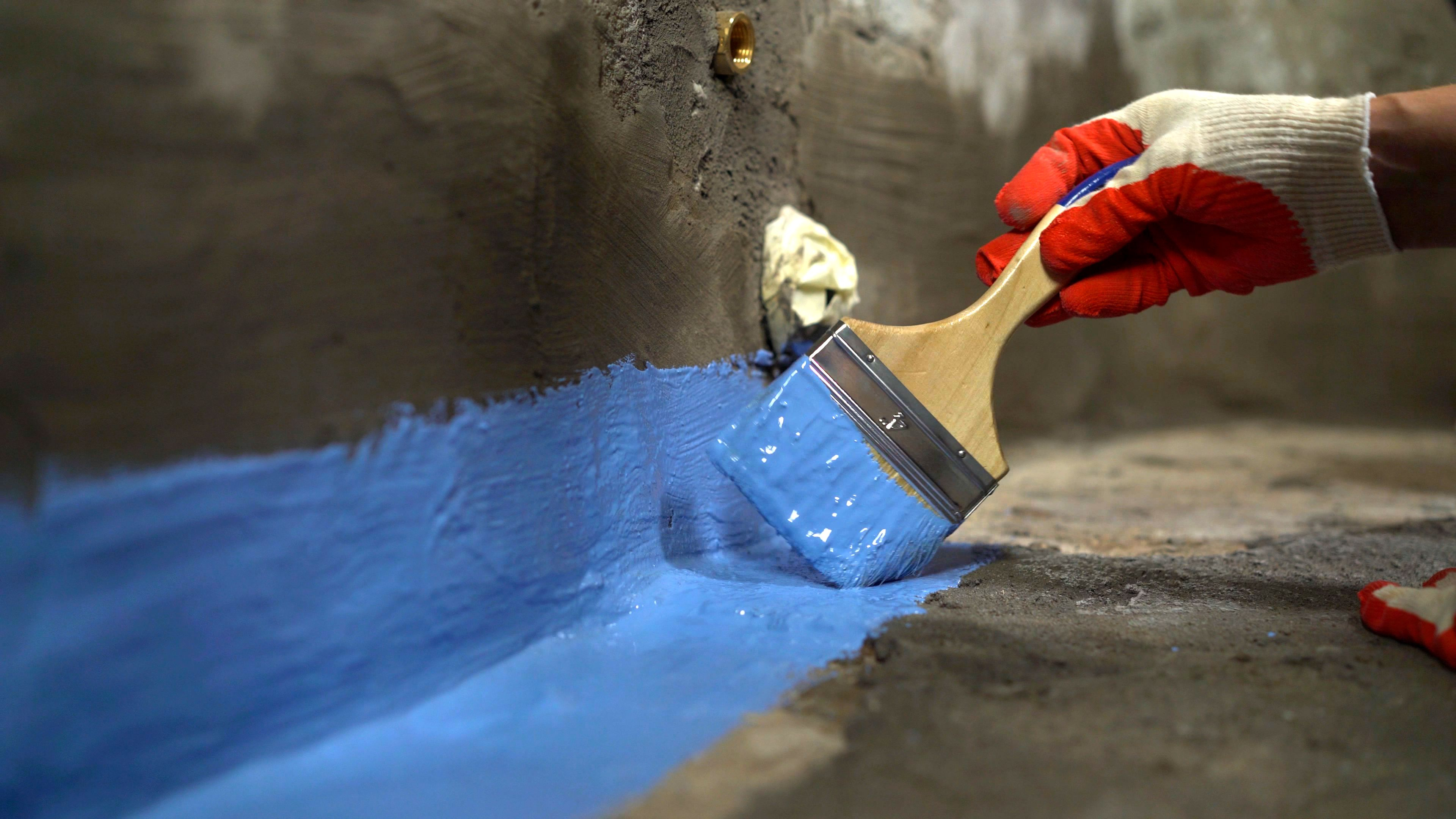
  • Waterproofing paint

  • Drainage systems

  • Epoxy injection

  • Interior French drains

  • Exterior excavation and waterproofing

  • Cement waterproofing

  • Weep tiles

  • Liquid membrane

  • Sheet membrane 

  • Yard grading

  • Gutters and downspouts

The primary reason homes have crawl spaces is so the foundation can reach down below the frost line to avoid dangerous soil movement and structural damage when the ground freezes. They’re more popular in colder climates where the ground freezes down to a few feet, and slabs are most popular in warmer areas where there is no frost line. Crawl spaces also provide a space for utility lines to run where they’re at less of a risk of freezing.

Topical sealers adhere to the surface of concrete to create a protective layer. In many cases, this is all you need for concrete that sees light to moderate traffic, such as your basement. Penetrating sealers, on the other hand, bond with the free lime in the top layer of concrete to form calcium silicate, which prevents liquid from passing through. This type of sealer protects the surface from water, oil, and gasoline spills.

The Au Train, MI homeowners’ guide to basement waterproofing services

From average costs to expert advice, get all the answers you need to get your job done.