

Top-rated basement waterproofing pros.

Get matched with top basement waterproofing pros in Bark River, MI

Enter your zip and get matched with up to 5 pros

Need a pro for your basement waterproofing project in Bark River, MI?

Select your specific project to find the pro for you.

Find Basement waterproofing pros in Bark River

Basement Waterproofing questions, answered by experts

The primary reason homes have crawl spaces is so the foundation can reach down below the frost line to avoid dangerous soil movement and structural damage when the ground freezes. They’re more popular in colder climates where the ground freezes down to a few feet, and slabs are most popular in warmer areas where there is no frost line. Crawl spaces also provide a space for utility lines to run where they’re at less of a risk of freezing.

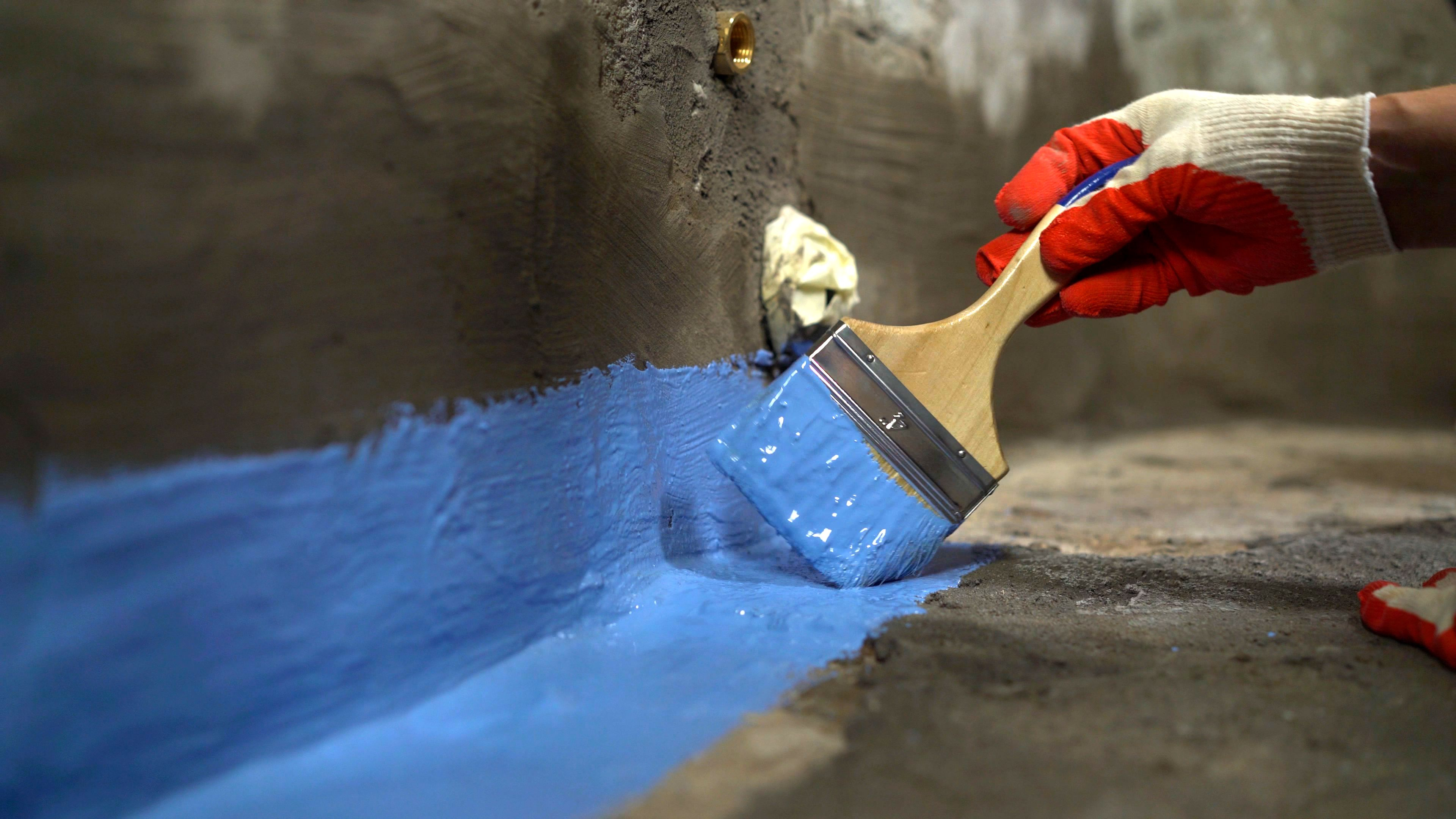
Yes, you can finish a basement that leaks, as long as you address the leak first. Before finishing a basement, you’ll need to repair any cracks in the walls and waterproof the basement to prevent future leaks. It’s much harder to clean up a water leak from a finished basement than an unfinished one, so preemptively addressing any leaking areas prevents expensive repairs in the future.

While a standard gutter system is widely considered the most effective way to prevent water damage to your home's foundation, several alternatives are available. These options can be used on their own in certain climates or as supplementary protection.

Common alternatives include:

  • Rain Chains: These are decorative chains that hang from the roof's edge, guiding rainwater to the ground.

  • Drip Edges: These metal strips are installed at the edge of the roof to direct water away from the fascia. While often used with gutters, they can be paired with a ground-level solution but are typically not sufficient on their own.

  • Rain Dispersal Systems: These systems work by breaking up the heavy sheet of water flowing off the roof, dispersing it over a wider area.

  • French Drains: This ground-level system uses a perforated pipe in a gravel-filled trench to collect and redirect water runoff away from the house.

  • Drip Paths: Placed directly below the roofline, these paths made of concrete, stone, or other materials prevent soil erosion and guide water away.

It's important to note that some alternatives like rain chains and dispersal systems may not be adequate in regions with heavy rainfall because they don't divert water away from the foundation as effectively as a full gutter system. Ground-based solutions like French drains can be very effective but are often more expensive and can affect your landscaping and curb appeal. Many experts recommend installing a full gutter system for maximum protection and using alternatives as supplementary measures.

Generally, moisture barrier padding costs $0.75 to $1.50 per square foot, varying by brand and mix. That’s a lot more than standard padding, which runs $0.25 to $0.90 per square foot. The price difference between these two options might seem steep, but think of it as insurance against future carpet replacement costs and subfloor damage. If you have pets or kids, that extra investment in high-risk areas like your living room often pays off.

Standing water under your house can threaten its structural integrity. If water pools in your crawl space, it can damage the foundation and the structure above ground, causing wood rot, mold, and other problems. If you have a concrete foundation, standing water under your house can also make your foundation slabs crack.

The Bark River, MI homeowners’ guide to basement waterproofing services

From average costs to expert advice, get all the answers you need to get your job done.